Is Windshield Tint Legal in NJ? Strip vs Full Tint
Windshield tint is one of the most searched topics for South Jersey drivers because it sits right at the intersection of comfort, safety, and compliance. New vehicle owners in Mt Laurel Township, NJ often notice harsh sun glare on Route 73 and I-295, nighttime headlight glare, and the way heat builds up fast through the glass. At the same time, many drivers have heard conflicting advice about what is legal, what will fail inspection, and whether a visor strip is the only safe option. That is why the question keeps coming up:
Is windshield tint legal in NJ , and what is the difference between a strip and full tint? The answer depends on how the film is applied, how it impacts visibility, and how enforcement and inspections are handled in real life. This guide breaks down the practical differences, the risks to avoid, and how
The Window Tinters helps drivers choose
LLumar FormulaOne Auto Window Tint options that prioritize clarity and comfort.
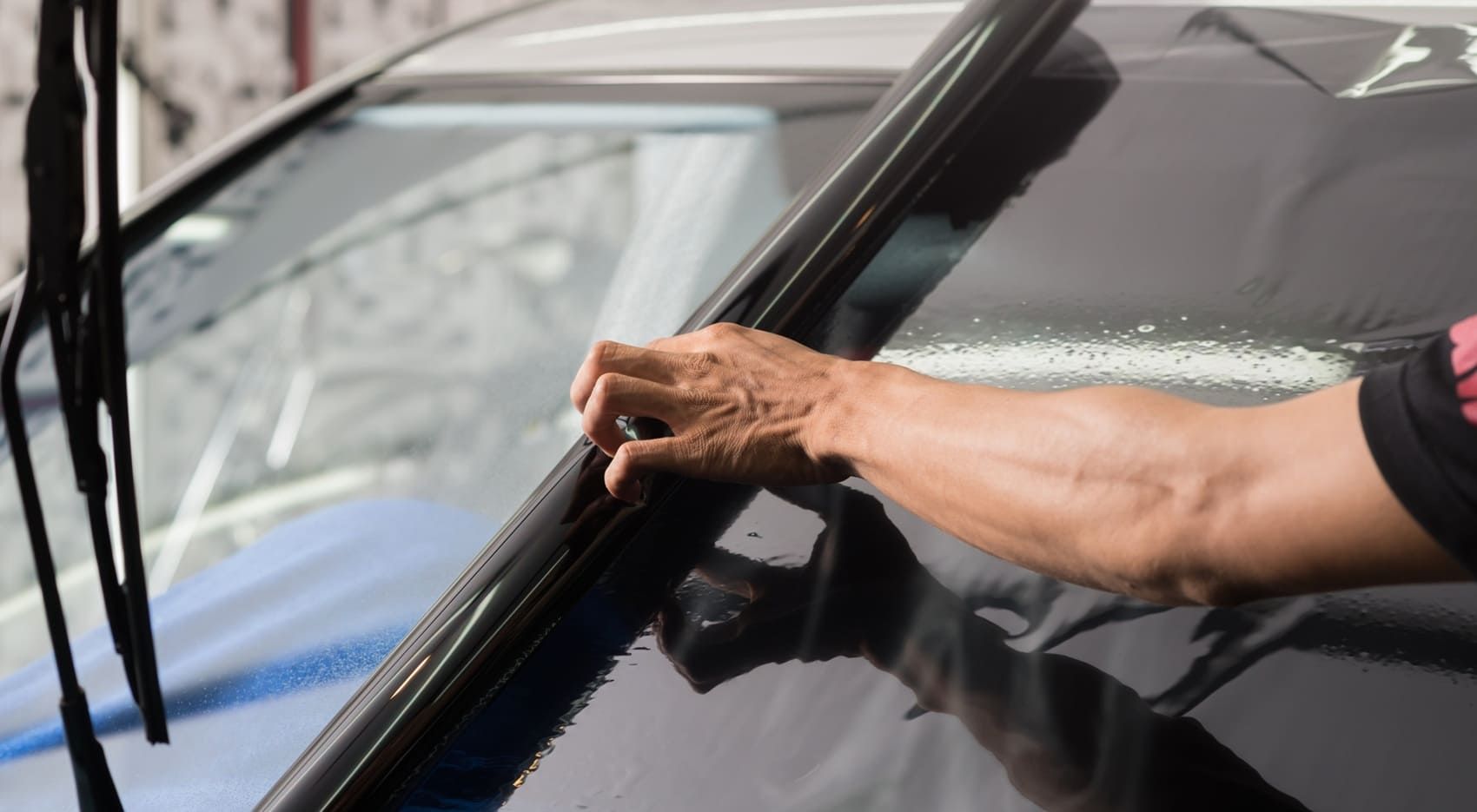
Table of Contents
- Why windshield tint is popular in South Jersey
- Strip vs full windshield tint: what they mean
- NJ legality basics and common misconceptions
- Visibility, glare, and night driving considerations
- Choosing the right film: LLumar FormulaOne tint
- Why professional installation and documentation matter
- FAQ
- Conclusion and free estimate
1) Why windshield tint is popular in South Jersey
In Mt Laurel Township and surrounding South Jersey areas, the windshield does more work than most drivers realize. It is the largest piece of glass on the vehicle and it is positioned to take direct sun for long stretches of the day. If you commute east or west during peak sun angles, glare can feel relentless. In summer, the greenhouse effect through the windshield can push cabin temperatures up quickly. Even in winter, bright low sun can reduce comfort and visibility.
Drivers usually start researching windshield tint for one of these reasons:
- Glare control: morning and afternoon sun, plus headlight glare at night.
- Heat management: less heat load on the cabin and HVAC system.
- UV exposure: long drives and daily errands add up over time.
- Interior preservation: dashboards, leather, and trim can fade and dry out.
- Comfort and focus: less squinting and eye strain during commutes.
However, because the windshield is tied directly to safe driving, NJ rules and enforcement tend to be stricter and more sensitive compared to side and rear glass. That is why choosing the right approach and understanding the difference between a visor strip and full tint matters so much.
2) Strip vs full windshield tint: what they mean
When drivers say “windshield tint,” they can mean two different installations. Understanding these terms is the first step in making a smart decision.
Windshield tint strip (visor strip):
- A band of film applied at the top of the windshield.
- Designed to reduce glare when the sun is high but still in your forward line of sight.
- Commonly chosen because it is the least intrusive and most familiar approach.
Full windshield tint:
- Film applied across the entire windshield.
- Can be selected in very light shades that keep the windshield looking nearly clear.
- Often requested to reduce heat and improve comfort consistently across the whole glass.
Important practical difference: a strip mainly targets the sun angle that hits your eyes through the top portion of the glass. Full coverage affects the entire driving view, which means it can influence visibility, wiper performance, and how clearly you see at night if the film is too dark or installed poorly.
Quick decision chart (read like a table):
- Best for glare only: Strip
- Best for heat reduction: Full (with a very light, high clarity film)
- Lowest visual impact: Strip
- Most consistent comfort: Full
3) NJ legality basics and common misconceptions
Because state rules can change and interpretations can vary, this article is not legal advice. The most reliable source is the current NJ statutes and the NJ Motor Vehicle Commission guidance, plus how local enforcement and inspection stations apply those rules. With that said, there are practical realities that can help you avoid the most common mistakes.
Misconception 1: “If it is clear, it is automatically legal.”
Some films look nearly transparent but still change light transmission, reflectivity, or the way the windshield reads in certain lighting. Clarity and legality are related but not identical. If you want the “almost invisible” look, you still need to choose a film and installation approach that prioritizes compliance and safety.
Misconception 2: “Factory glass already has tint, so adding more is fine.”
Most factory windshield glass is not “tinted” the same way side privacy glass is, but it can have a slight shade or a UV layer depending on the vehicle. Adding film on top can change the final result. When you stack layers, the final light transmission and appearance can shift more than expected.
Misconception 3: “A tint shop can guarantee you will never get pulled over.”
No one can guarantee enforcement outcomes. Lighting, weather, and officer discretion can all play a role. The goal is to reduce risk by staying within safe, commonly accepted approaches and keeping documentation and install quality high.
Misconception 4: “All windshield strips are the same.”
Even if you choose a strip, the height, placement, and how cleanly the edge is finished matter. A strip that creeps too low into your forward view can be more likely to cause problems.
Misconception 5: “Full windshield tint is always dark.”
Full coverage can be done with very light, high clarity film designed to reduce heat and glare without giving the windshield a dark appearance. This is where product choice matters, especially if you are considering premium films like LLumar FormulaOne Auto Window Tint .
Compliance-first mindset for Mt Laurel drivers:
- Prioritize visibility in rain and at night.
- Choose high clarity film rather than chasing a dark look on the windshield.
- Be realistic about inspection and enforcement variability.
- Ask your installer for guidance based on current NJ norms and your exact vehicle.
4) Visibility, glare, and night driving considerations
Windshield tint is different from side
window tint because it affects how you process the road. In South Jersey, drivers regularly face fast changing weather, wet roads, and winter darkness that starts early. Any reduction in visibility can feel minor in daylight and become significant at night or during storms.
Key visibility factors to think about before choosing strip vs full:
- Night driving: If you drive frequently at night, film selection and shade matter more. A film that seems fine at noon can feel noticeably dim after dark.
- Rain and spray: Heavy rain on highways reduces contrast. Wiper performance and optical clarity become critical.
- Glare sources: Sun glare is different from LED headlight glare. A strip may help with sun, but it does not solve all headlight glare issues.
- Optical quality: Low quality film can distort light. That distortion can create halos, haze, or fatigue.
Strip performance vs full performance (read like a comparison chart):
- Sun glare from above: Strip performs strongly when placed correctly.
- Sun glare at low angle: Full coverage can help more consistently, depending on film choice.
- Headlight glare: Results vary, and no tint is a substitute for clean glass and safe driving.
- Night visibility risk: Strip generally carries lower risk. Full coverage must be chosen carefully.
Practical tip: If you are not sure, start with a high quality visor strip. It provides noticeable glare reduction with minimal change to your main driving view. If you still want more comfort and heat reduction, you can discuss a full windshield option that focuses on clarity and lightness rather than darkness.
5) Choosing the right film: LLumar FormulaOne Auto Window Tint
Film quality is the difference between “this looks good” and “this performs well without distractions.” For a windshield application, quality and clarity are non-negotiable. At The Window Tinters , we use LLumar FormulaOne Auto Window Tint because premium films are engineered for performance and consistency. That matters when the goal is comfort without compromising visibility.
What to look for in a windshield-friendly tint approach:
- High optical clarity: clean view with minimal distortion.
- Heat rejection focus: comfort that does not rely on a dark appearance.
- UV protection support: helps reduce interior fading and long term exposure.
- Stable color: keeps a natural look rather than shifting to purple or hazy tones over time.
High intent keyword match: If you are searching “ Is windshield tint legal in NJ ” you are usually trying to solve more than legality. You want a plan that fits your driving reality in Mt Laurel Township, your comfort preferences, and your tolerance for risk. A professional consultation helps ensure the film, shade, and coverage type are aligned.
Comfort benefits drivers report most often:
- Less squinting during low sun commutes.
- Reduced cabin heat buildup after parking.
- Less interior “hot spot” feeling on the face and hands.
6) Why professional installation and documentation matter
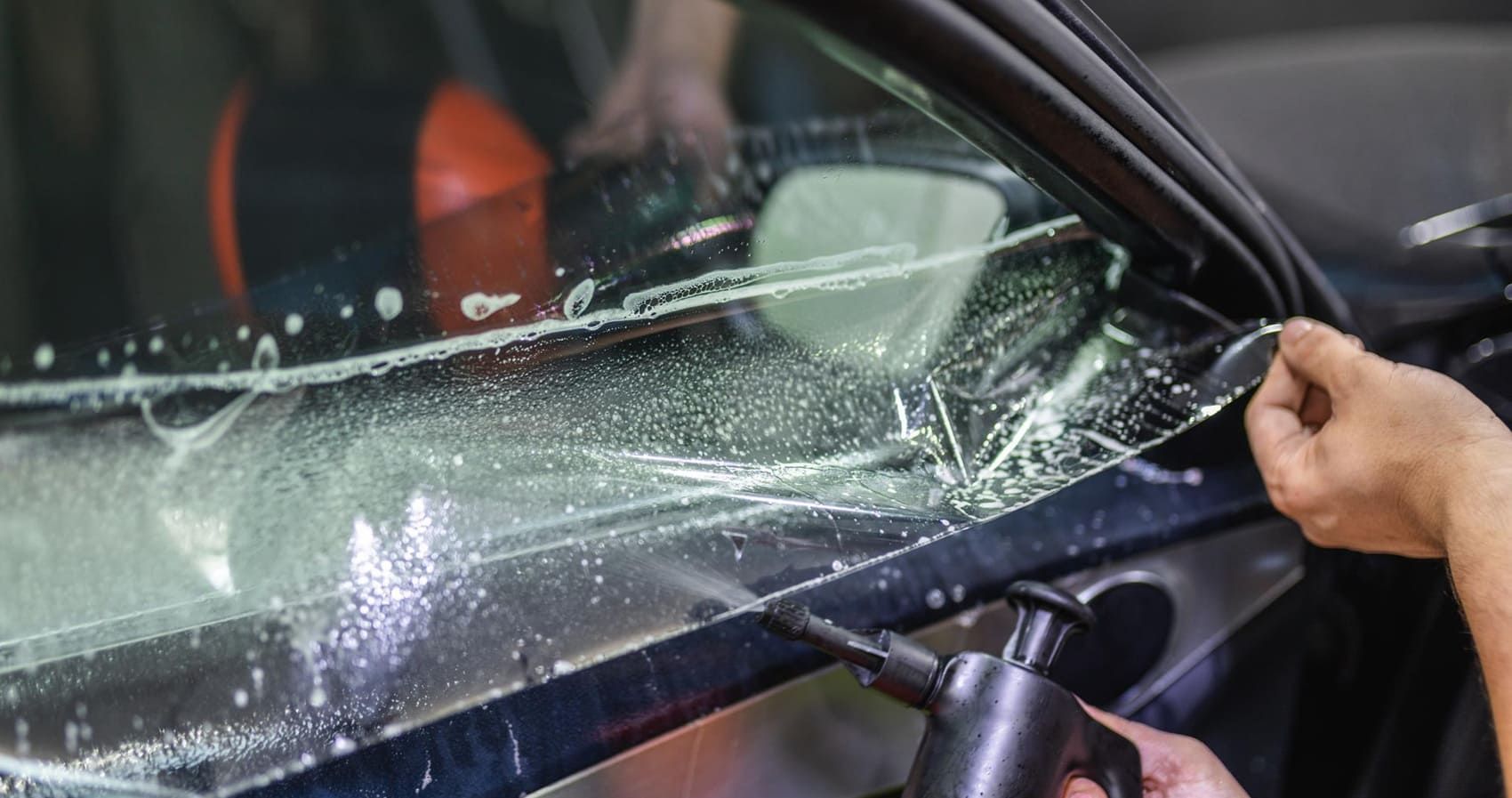
Windshield film is not a “good enough” area. Small flaws that might be tolerable on a rear window can be distracting on the windshield. That is why professional installation is essential, especially if your priority is a clean, compliant look in a high visibility area.
Professional installation helps with:
- Clean edges and placement: especially for visor strips that should not intrude too far into the driver’s view.
- Contamination control: dust and debris are more noticeable on windshield film.
- Proper curing: helps reduce haze and moisture pockets.
- Optical consistency: a smooth, even finish reduces distraction.
Documentation and expectations:
- Keep any receipts and warranty information.
- Ask what to expect during the curing period, including temporary haze or small moisture patterns that typically resolve as the film cures.
- Confirm recommended cleaning products and when it is safe to clean the inside of the windshield.
For drivers in Mt Laurel Township who want a clear answer and a realistic plan, the best move is to talk through your daily driving conditions, how much night driving you do, and what your comfort goals are. The right choice is the one that improves comfort while respecting visibility and compliance.
FAQ: Windshield Tint in NJ
Can ceramic coating be applied over PPF?
Yes. Ceramic coating can be applied over PPF, and it is a common approach to improve hydrophobic performance and make film easier to clean. Proper prep and product compatibility matter.
Can you apply PPF over ceramic coating?
It is possible in some cases, but it is usually not recommended. The coating can interfere with how the film installs and behaves. Most owners should install PPF first, then coat.
Which comes first, PPF or ceramic coating?
For most vehicles that will have both, PPF comes first. Then ceramic coating is applied on top of the film and the remaining paint for consistent performance.
How long does PPF last in New Jersey?
Lifespan depends on film quality, coverage, driving conditions, and maintenance. Premium films are designed for long term protection when professionally installed and properly cared for.
How long does ceramic coating last?
Longevity depends on the coating product, prep quality, and wash habits. Professional-grade coatings generally last longer than consumer coatings, but maintenance still matters.
Does ceramic coating prevent rock chips?
Not in the way PPF does. Ceramic coating improves chemical resistance and wash ease, but it does not provide significant impact absorption against chips.
Do I need both PPF and ceramic coating?
Not always. If you want maximum impact protection, prioritize PPF. If you want gloss and easier cleaning, ceramic coating is a great option. Many owners choose both for the most complete system.
What is easier to maintain, PPF or ceramic coating?
Both benefit from safe wash habits. Ceramic coating makes rinsing and drying faster. PPF can be very manageable, and coating the film can further improve ease of cleaning.
How much do PPF and ceramic coating cost in South Jersey?
Pricing varies by vehicle, paint condition, and coverage. PPF typically costs more due to material and labor. Ceramic coating varies by prep level and product. A quote is the best way to compare.
How do warranties work for film and coatings?
Warranty terms vary by product and installation standards. Professional installation and documented care help protect your investment and reduce the risk of premature failure.
Conclusion: Choose comfort without sacrificing clarity
So,
is windshield tint legal in NJ ? The practical answer is that legality and best practice depend on the type of windshield tint, how it is installed, and how it affects visibility. For many drivers in
Mt Laurel Township, NJ, a professionally installed visor strip is the safest starting point because it reduces sun glare with minimal impact on night driving. If your priority is heat reduction and consistent comfort, full windshield tint can be discussed with a clarity-first mindset using premium film options and conservative choices.
If you want a recommendation tailored to your vehicle and daily driving routes,
contact
The Window Tinters in
Mt Laurel Township, NJ. We install
LLumar FormulaOne Auto Window Tint and help South Jersey drivers choose options that balance comfort, clarity, and real-world compliance.
Get the
free estimate
today and let us build the right plan for your windshield and full vehicle tint needs.