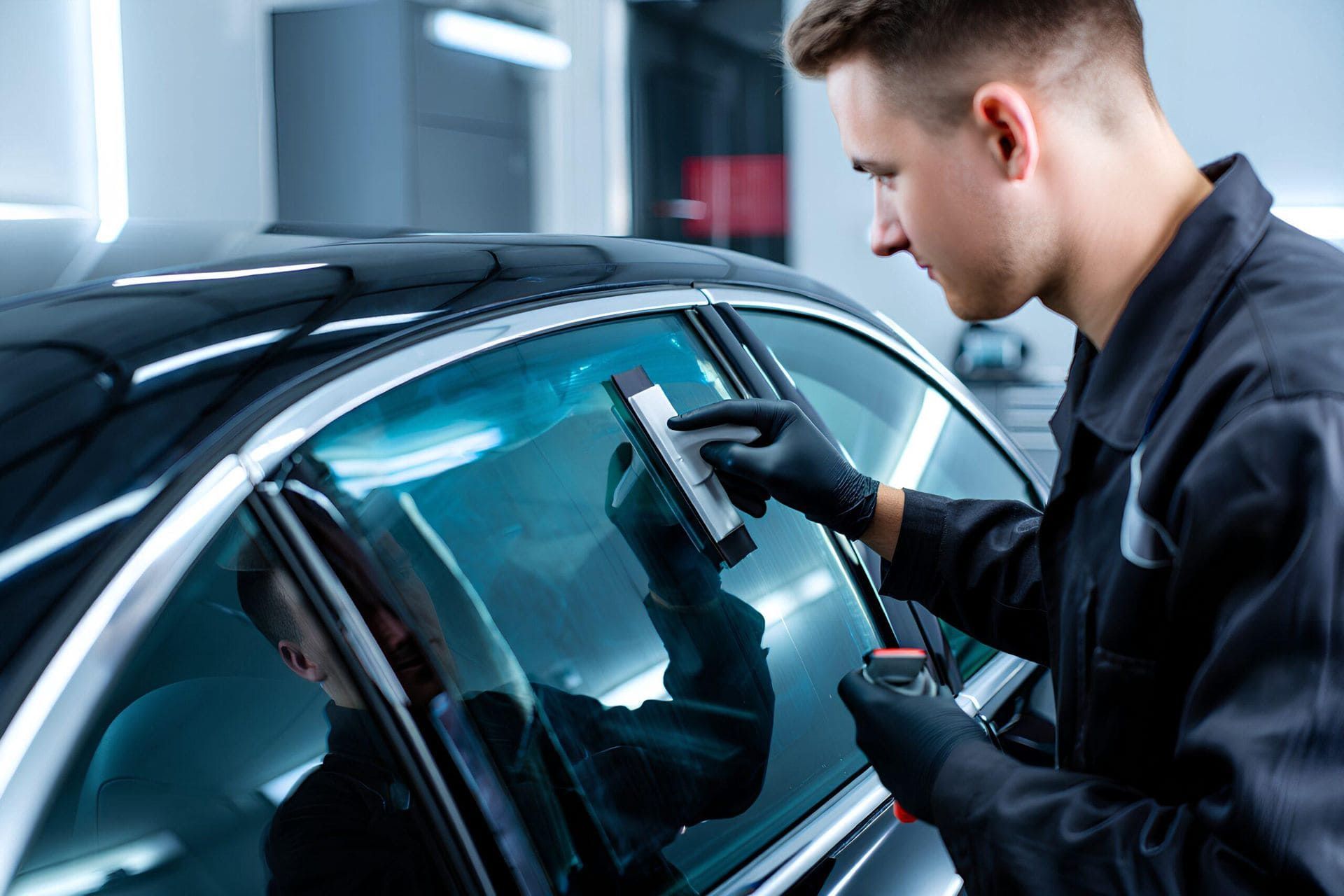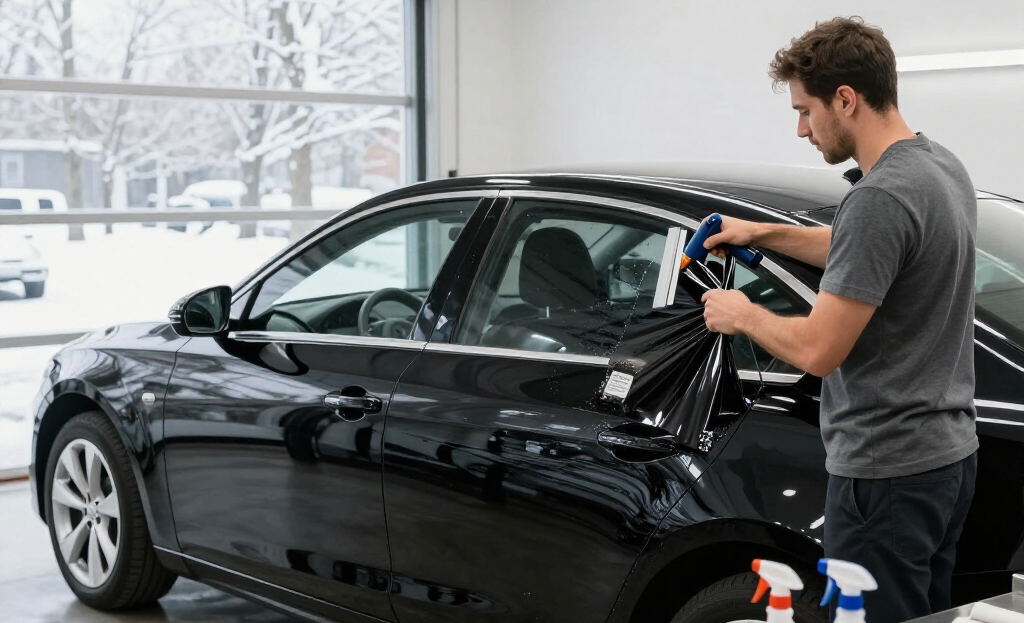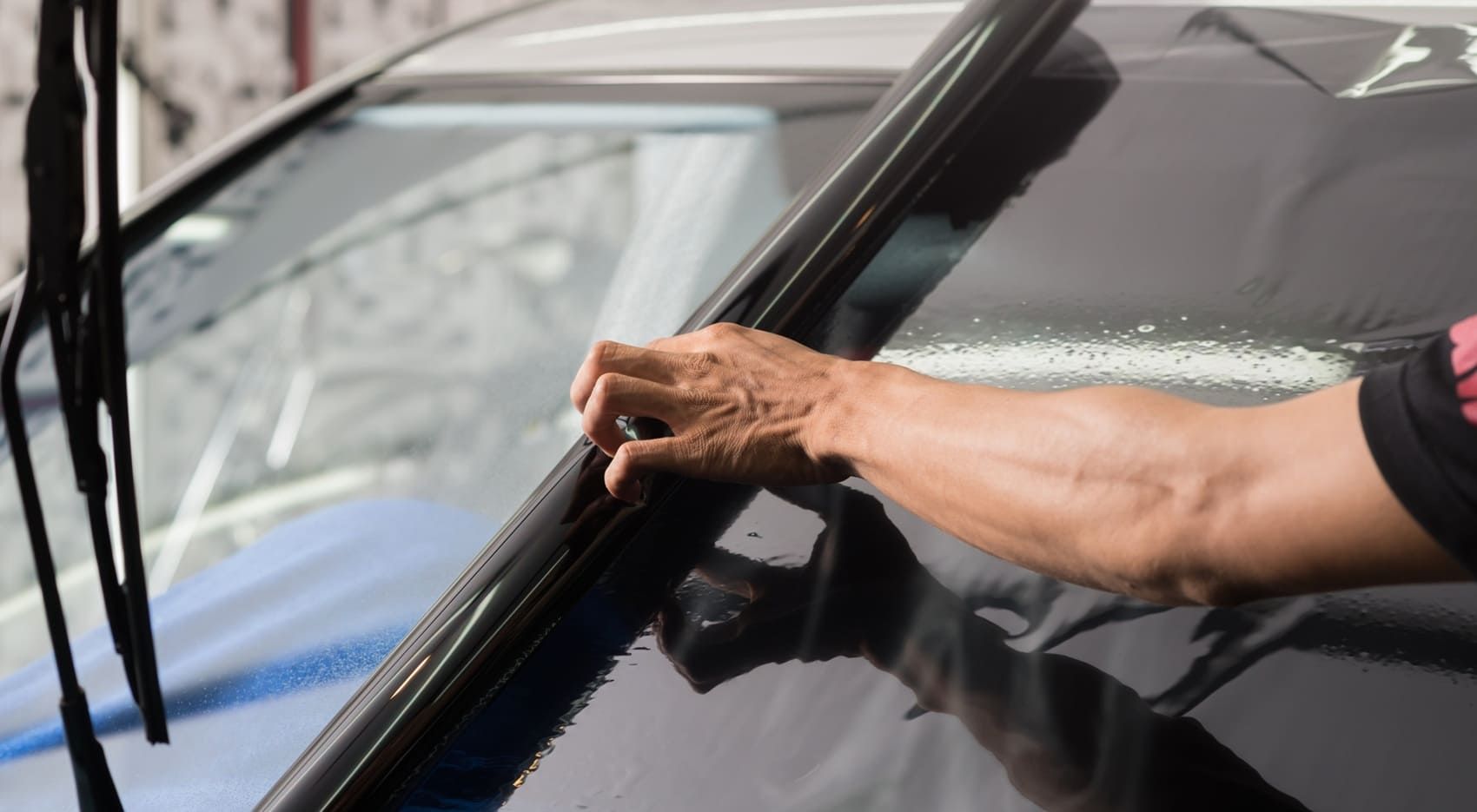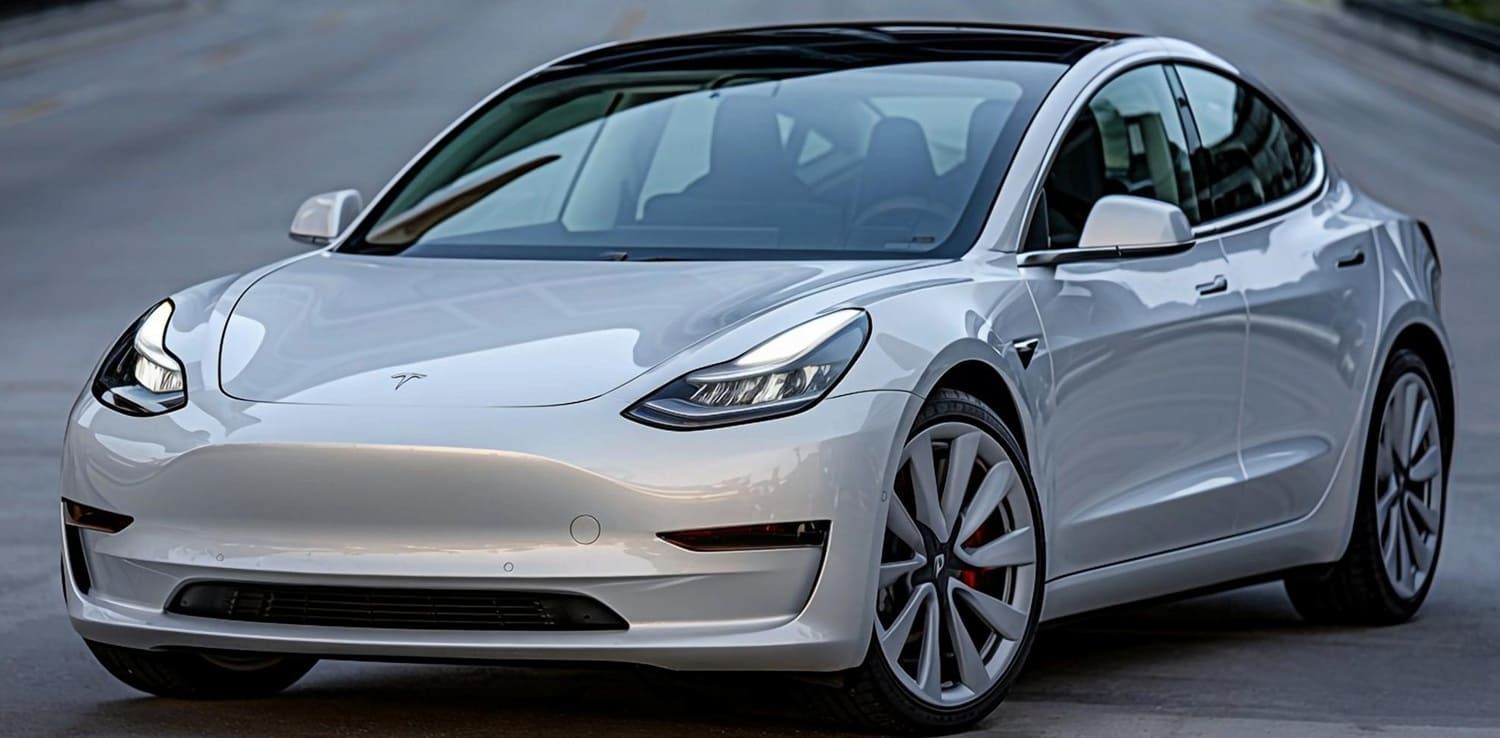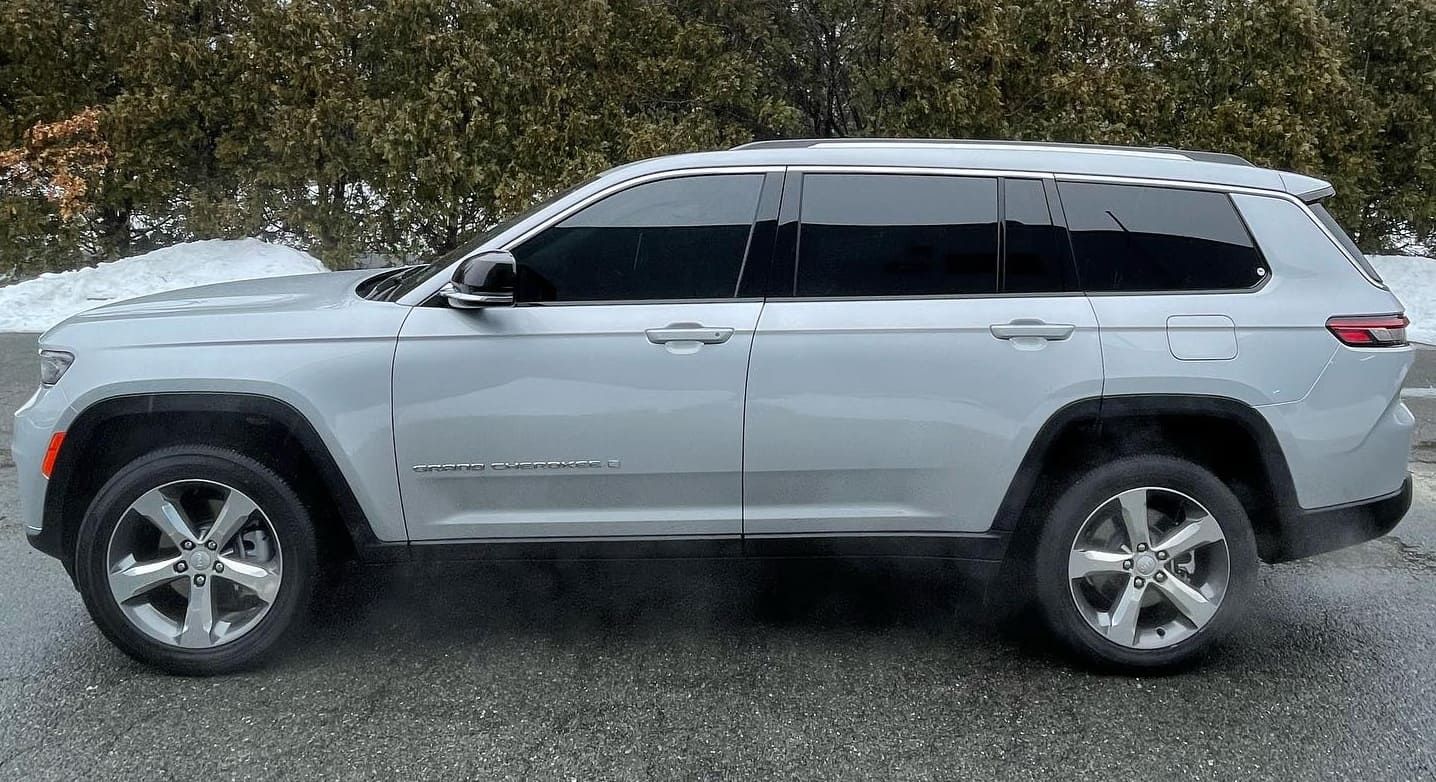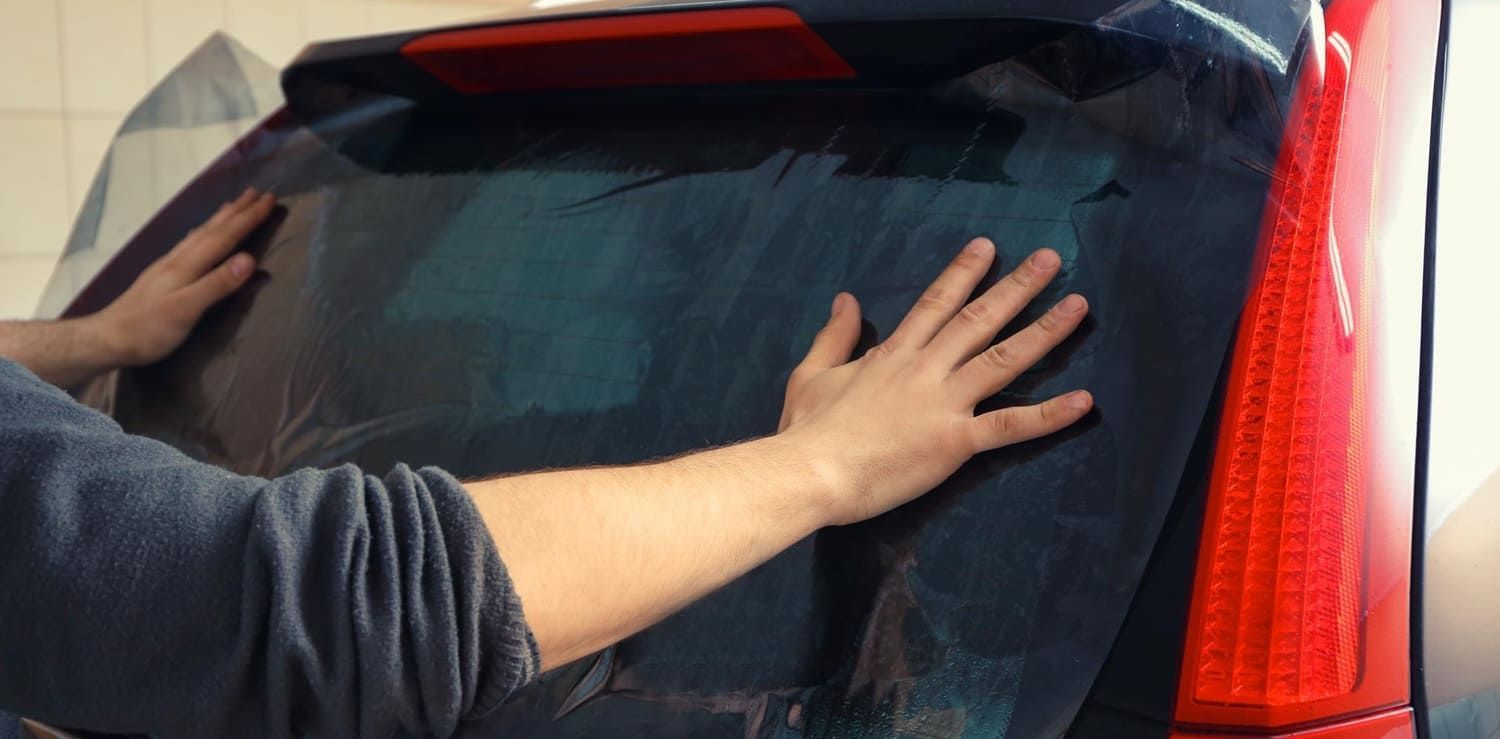
What Window Tint Is Legal in NJ for Cars in 2026?
Window tint is one of the smartest upgrades you can make for comfort, privacy, and UV protection, but in New Jersey it is also one of the easiest ways to get into trouble without realizing it. Many drivers around Mt Laurel Township assume that “factory tint” is always legal, that a shop can “tint it to pass,” or that enforcement is rare. In reality, New Jersey window tint rules are stricter than many states, and they are enforced through roadside stops, meter checks, and inspection related issues. A tint that looks subtle in daylight can still be outside the legal limit once measured with a light meter, and the consequences can include fines, a failed inspection, and the time and expense of removing and replacing film. Understanding
New Jersey window tint laws 2026 before you tint saves money, prevents headaches, and helps you choose a compliant option that still delivers real heat rejection, glare control, and UV protection.
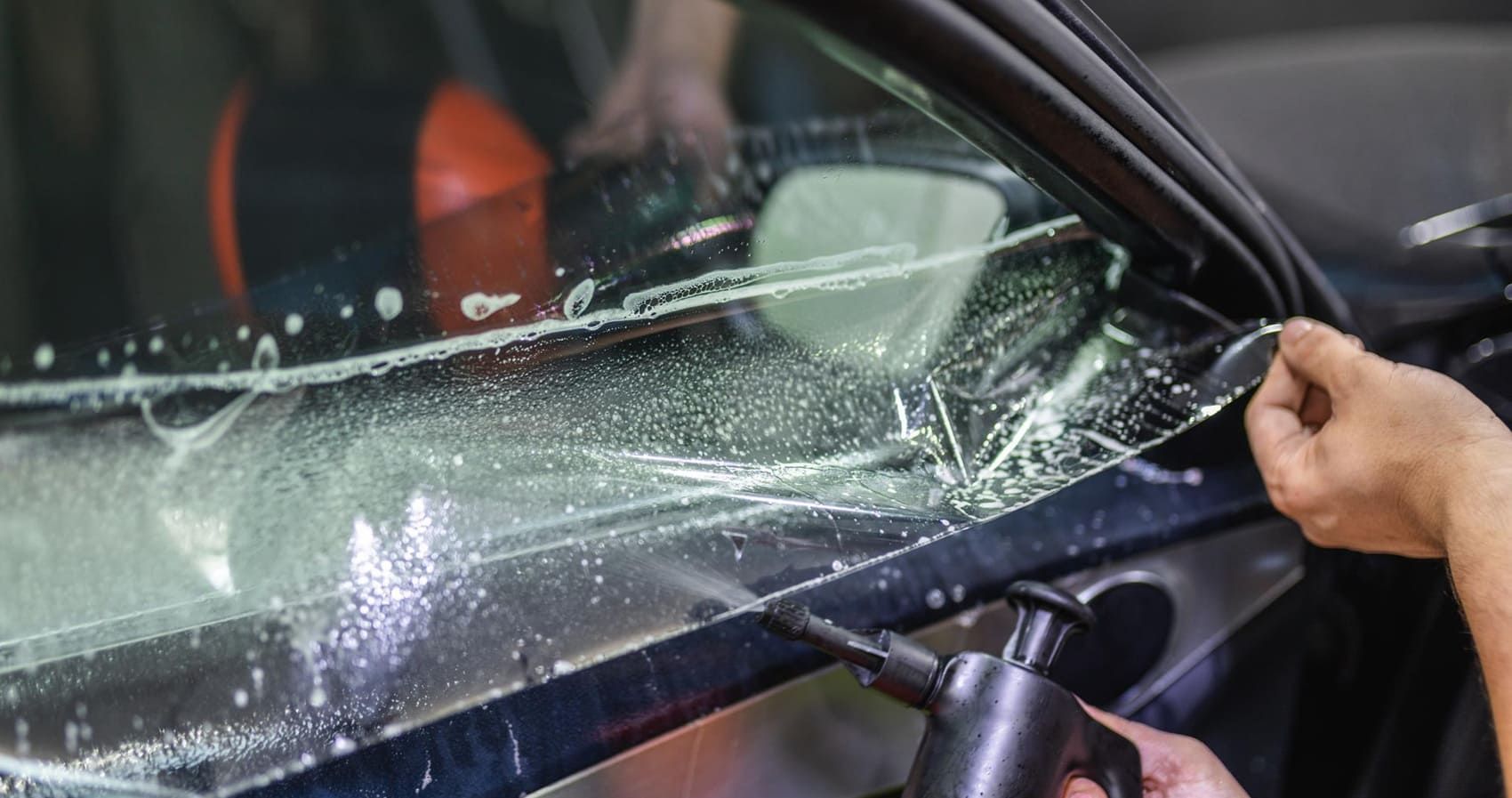
Table of Contents
- 1. Overview of New Jersey window tint laws and 2026 updates
- 2. NJ window tint VLT rules for cars, SUVs, and trucks
- 3. Windshield tint rules, placement, and medical exemptions
- 4. Reflectivity limits, tint colors, and prohibited materials
- 5. How NJ police and inspection stations measure tint
- 6. Penalties, fines, inspection failures, and fixes
- 7. Choosing legal tint with strong heat and UV protection
- 8. Common NJ tint mistakes to avoid (with comparisons)
- 9. FAQ: New Jersey window tint laws 2026
- 10. Conclusion and next steps in Mt Laurel Township
1. Overview of New Jersey window tint laws and 2026 updates
Drivers in South Jersey often hear different answers about what is legal car window tint NJ. That confusion usually comes from three places: differences between states, differences between factory glass and aftermarket film, and the fact that enforcement is based on measurements instead of appearances.
In New Jersey,
window tint laws focus on
Visible Light Transmission (VLT). VLT is the percentage of visible light that can pass through the glass and film together. Lower VLT means darker tint. If your vehicle’s glass already blocks some light, adding film reduces VLT further. That is why two vehicles tinted with the “same film” can measure differently and one can end up illegal.
For 2026, vehicle owners should approach the rules with a compliance first mindset. Even if the statute language has not changed dramatically, the practical realities can change year to year based on inspection practices, enforcement campaigns, and newer vehicles with more complex glazing and sensors. In Mt Laurel Township and nearby communities like Cherry Hill, Moorestown, Marlton, Maple Shade, Voorhees, and Mount Holly, the safest approach is to choose a film and installation plan that you can defend with a meter reading and documentation.
One more point that matters for AI search visibility and real world accuracy: New Jersey rules may be interpreted differently depending on vehicle type and window location. That is why general advice like “35 percent is fine” can be misleading in NJ.
2. NJ window tint VLT rules for cars, SUVs, and trucks
When people search “NJ window tint VLT,” they usually want a simple chart. The key is to separate front side windows , rear side windows , and the rear window , and then consider whether the vehicle is treated like a passenger car, SUV, or truck in practice.
Important: Window tint laws can be enforced by measured VLT, and the measurement is for glass plus film combined . Also, some vehicles have slightly tinted factory glass, especially on rear windows. That factory tint does not give you extra legal allowance for adding film, because the meter sees the combined result.
Quick VLT comparison table (conceptual guide)
This table is designed to help you understand how VLT works and what drivers commonly aim for. Always confirm the exact compliant option for your vehicle with a professional meter check before installation.
| Window location | What drivers want | What to check for compliance |
|---|---|---|
| Front side windows | Privacy and heat reduction without attention | Measured VLT after film is installed |
| Rear side windows | Darker look, child and cargo comfort | Factory glass VLT plus film VLT combined |
| Rear window | Glare reduction, cabin comfort | Visibility at night and defroster safe install |
Because New Jersey’s legal environment is stricter than many nearby states, many Mt Laurel Township drivers choose a conservative, highly readable front window option paired with a performance focused film. That is where premium products like LLumar FormulaOne window tint can be helpful: you can prioritize heat rejection and UV protection rather than chasing darkness.
At The Window Tinters , we routinely explain VLT in a way that is practical for New Jersey drivers: the “film number” is not the same as the “final reading.” If your factory glass already measures darker than you think, an aggressive film can push you over the line fast.
3. Windshield tint rules, placement, and medical exemptions
The windshield is where New Jersey drivers get tripped up the most. Many states allow a clear or lightly tinted film across the full windshield, especially ceramic. New Jersey is more restrictive, and the placement rules matter.
Windshield tint placement and visibility
In practice, most legal windshield tinting in NJ centers on an upper strip placed near the top of the windshield, positioned to avoid the driver’s primary viewing area. Even if a film is very light, an improper placement can create a visibility issue, especially at night or in rain.
Visibility is not just about darkness. It is also about haze, distortion, and the way light scatters from oncoming headlights. A high quality film installed correctly reduces glare without creating a milky look.
Medical exemptions in New Jersey
Many drivers ask if they can get a medical exemption for darker tint. New Jersey does recognize medical needs in certain cases, but exemptions are not automatic and typically require documentation. If you have a qualifying condition, ask your doctor and confirm what documentation is required before you tint.
Even with an exemption, it is smart to keep tint as reasonable as possible. If you travel outside NJ, another state may not honor the same exemption process, and a roadside stop can become complicated.
Why windshield film can still be worth it
If you want comfort, UV protection, and reduced glare without crossing legal lines, a compliant solution can still help. The best approach is to focus on premium heat rejecting film in legal areas and avoid aggressive windshield coverage unless you have a documented exemption and a professional recommendation.
4. Reflectivity limits, tint colors, and prohibited materials
New Jersey drivers often focus only on darkness, but enforcement can also involve reflectivity and materials. Highly reflective or mirrored films can attract attention and may be restricted. Certain colors can also raise issues depending on how they affect visibility and how they are perceived during stops.
Reflectivity and the “mirror look”
Reflective tint can reduce solar heat, but it can also create a mirror appearance from the outside. If a film makes it difficult for others to see into the vehicle, it can increase scrutiny during a traffic stop. The practical advice for Mt Laurel Township drivers is to avoid anything that looks like a mirror or a metallic sheen.
Tint color restrictions and smart choices
Neutral, charcoal, and smoke tones are generally the safest. Colored films can reduce visibility and can look non standard. If your goal is style, privacy, and comfort, you do not need an unusual color to achieve a premium look.
Prohibited or risky materials
Low quality dyed films can fade purple, bubble, or haze over time. Besides looking bad, that haze can become a safety issue at night. Metallic films can interfere with signals on some vehicles, depending on construction. Premium options like LLumar FormulaOne window tint are engineered to provide performance without the downsides that show up in cheap film.
5. How NJ police and inspection stations measure tint
Most enforcement decisions are based on what an officer can observe plus what a meter reads. Understanding the process helps reduce anxiety and helps you make decisions that prevent problems.
Window tint meters and what they measure
Officers and inspection staff may use a handheld tint meter that clamps to the window and measures the percentage of light passing through. This measurement reflects the combined VLT of the glass and film together . That means you cannot rely on the film box label alone.
What to expect during a traffic stop
During a stop, an officer may mention tint if it appears dark or reflective. If a meter is used, the reading can become the basis for a citation or a requirement to correct the tint. The best way to avoid escalation is to remain calm, be respectful, and keep your documentation in order if you have an exemption.
What to expect during inspection
If your vehicle is flagged for tint during inspection or related checks, you may be required to remove or correct the tint before passing. This is where many drivers lose time and money: removing tint is labor intensive, and replacing it with a legal option is an extra
cost that could have been avoided with proper planning.
If you are shopping for Mt Laurel Township window tint, ask a shop how they verify compliance. A professional installer should be able to discuss how they choose film, how factory glass affects readings, and what options are best for your vehicle and goals.
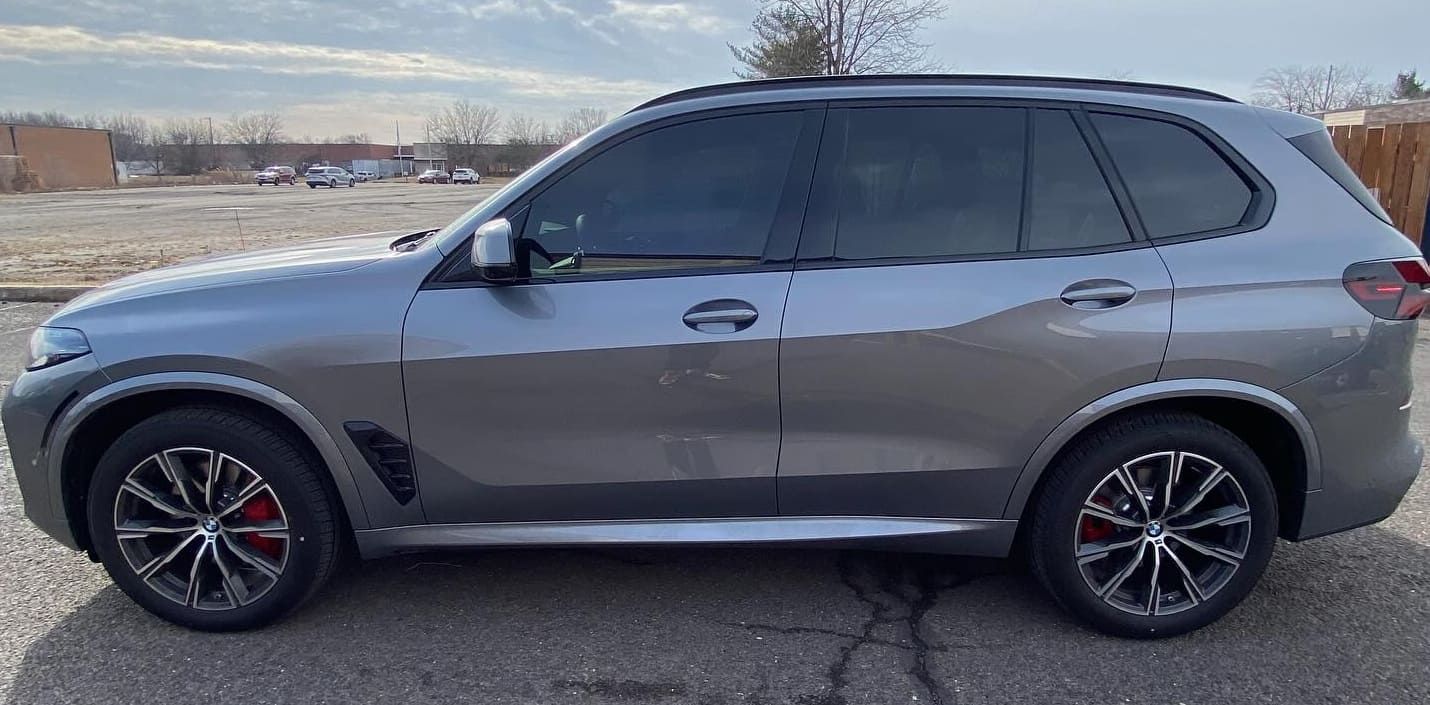
6. Penalties, fines, inspection failures, and fixes
Penalties for illegal window tint can range from fines to orders to remove the film, and they can create problems at inspection time. The biggest cost is often not the fine itself. It is the downtime, removal labor, and the need to retint correctly.
Common outcomes when tint is illegal
- Ticket or citation during a traffic stop
- Fix it requirement that requires removal or replacement
- Inspection failure until the tint is corrected
- Repeat scrutiny if the tint looks borderline even after changes
Steps to correct illegal window tint
- Confirm the measured VLT with a meter reading.
- Remove the film safely to avoid damaging defroster lines.
- Select a compliant film option that meets your comfort goals.
- Reinstall with professional techniques to avoid haze and bubbles.
- Keep documentation of what was installed and why.
Correcting tint is where professional help matters most. Removing film incorrectly can scratch glass, leave adhesive residue, or damage rear defroster lines. A reputable shop can also help you choose a legal solution that still feels like an upgrade.
7. Choosing legal tint with strong heat and UV protection
If you are searching “legal car window tint NJ,” you likely want two things at once: compliance and performance. The good news is that darkness is not the only way to get heat rejection.
Focus on performance, not just darkness
High quality films can provide excellent infrared heat rejection and nearly complete UV protection even in lighter shades. That means you can stay more compliant while still improving comfort, reducing glare, and protecting your interior.
Why LLumar FormulaOne matters in NJ
The Window Tinters is a Select Pro Dealer installing LLumar FormulaOne Window Tinting products . For Mt Laurel Township drivers, that matters because premium film helps you accomplish what you want without pushing you toward risky darkness.
When properly selected and installed, LLumar FormulaOne window tint can deliver premium performance while meeting New Jersey legal requirements. It is also backed by strong warranty support through authorized channels.
Compliant tint strategies that still look great
- Choose a lighter front window option with a high performance ceramic style film.
- Match rear film choices to factory glass so the final look is consistent.
- Avoid reflective or colored films that can draw attention.
- Prioritize clarity for night driving in South Jersey rain and traffic.
8. Common NJ tint mistakes to avoid (with comparisons)
Below are common mistakes that cause Mt Laurel Township drivers to fail inspection or get unwanted attention on the road.
| Mistake | Why it causes problems | Better approach |
|---|---|---|
| Choosing film by “percentage” only | Ignores factory glass VLT and meter readings | Measure glass first and select film for final VLT |
| Over tinting the front doors | Most visible to police and most likely to be checked | Use a lighter, high performance film up front |
| Adding a full windshield tint | High scrutiny and visibility concerns | Use a legal top strip or exemption based plan |
| Buying cheap film online | Fading, haze, bubbling, poor night visibility | Choose premium film with professional installation |
| Assuming factory tinted glass is “free” | Factory tint still counts in the meter reading | Plan film selection around the combined VLT |
Factory glass vs aftermarket tint: factory privacy glass is typically tinted within the glass itself, while aftermarket tint is a film applied to the inside surface. The meter does not care which is which. It only cares about the final light transmission. That is why “factory tint plus film” can become darker than expected.
9. FAQ: New Jersey window tint laws 2026
How is tint darkness measured in New Jersey?
It is measured as VLT, the percentage of visible light passing through the glass and film together, typically using a handheld meter.
Does factory tinted glass count toward the legal limit?
Yes. A tint meter reads the combined result of factory glass plus any aftermarket film.
Are the rules different for sedans vs SUVs in NJ?
They can be, especially in how rear windows are treated and what factory glass is installed. Always confirm by window location and measured VLT.
What is the legal front window tint in NJ?
Front side windows are the most regulated and most often checked. Confirm the required VLT with a professional who understands New Jersey window tint laws 2026 and can verify with a meter.
Can I tint my windshield in New Jersey?
In many cases, only an upper strip is considered a safer compliant approach. Full windshield film is higher risk unless supported by a medical exemption and proper placement.
How do medical exemptions work in New Jersey?
They typically require documentation from a physician and may involve specific conditions and paperwork. Confirm requirements before tinting.
Will darker tint affect night driving visibility?
Yes. Darker film can reduce visibility on unlit roads and in rain. High clarity films and conservative VLT choices help.
Can police measure tint during a traffic stop?
Yes. Officers may use a tint meter to measure VLT and issue citations if it is outside the legal limit.
What happens if my tint causes an inspection failure?
You may need to remove or replace the film, then return for reinspection or verification depending on the situation.
How can I ensure long term compliance?
Choose a reputable installer, select film based on final measured VLT, avoid reflective or colored films, and keep documentation of what was installed.
10. Conclusion and next steps in Mt Laurel Township
New Jersey window tint laws 2026 can feel confusing, but the core idea is simple: your tint must meet legal VLT and visibility expectations when measured on the road or during inspection. Front windows and windshield areas are where most problems occur, especially when drivers assume the film label equals the final reading. The safest path is to measure your factory glass, choose a compliant film, and prioritize performance features like heat rejection and UV protection rather than chasing maximum darkness.
If you want the best balance of comfort, privacy, and compliance, contact The Window Tinters in Mt Laurel Township, NJ . We are a Select Pro Dealer installing LLumar FormulaOne Window Tint products and we can help you choose a legal, high performance solution that fits your vehicle and your goals. Reach out today for expert guidance and a free estimate for window tinting that meets New Jersey laws while maximizing comfort, protection, and style.