PPF vs Ceramic Coating: Which Should You Do First?
PPF vs ceramic coating is one of the most common paint-protection questions we hear from new car owners and detailing enthusiasts in
Mt Laurel Township, NJ and across South Jersey. It makes sense. You want your paint to stay glossy, easier to wash, and protected from the daily hazards on Route 73, I-295, the Turnpike, and local roads where rock chips, road salt, and debris can show up without warning.
Paint protection film and
ceramic coating both help, but they do different jobs.
PPF is built to absorb impact and prevent chips and scuffs. Ceramic coating is built to boost gloss, increase chemical resistance, and make washing faster. The order you install them can change how well they bond, how easy future maintenance is, and how long your protection lasts. In this guide, we explain which comes first, why it matters, and how
The Window Tinters helps drivers choose the right strategy for long term durability.
Table of Contents
- What paint protection film is and what it prevents
- What ceramic coating does for gloss and resistance
- PPF vs ceramic coating: key differences
- Which comes first: PPF or ceramic coating?
- Layering PPF and ceramic coating for max results
- Cost and long term value in South Jersey
- Why professional installation and warranties matter
- FAQ
- Conclusion and next steps
1) What paint protection film is and what it prevents
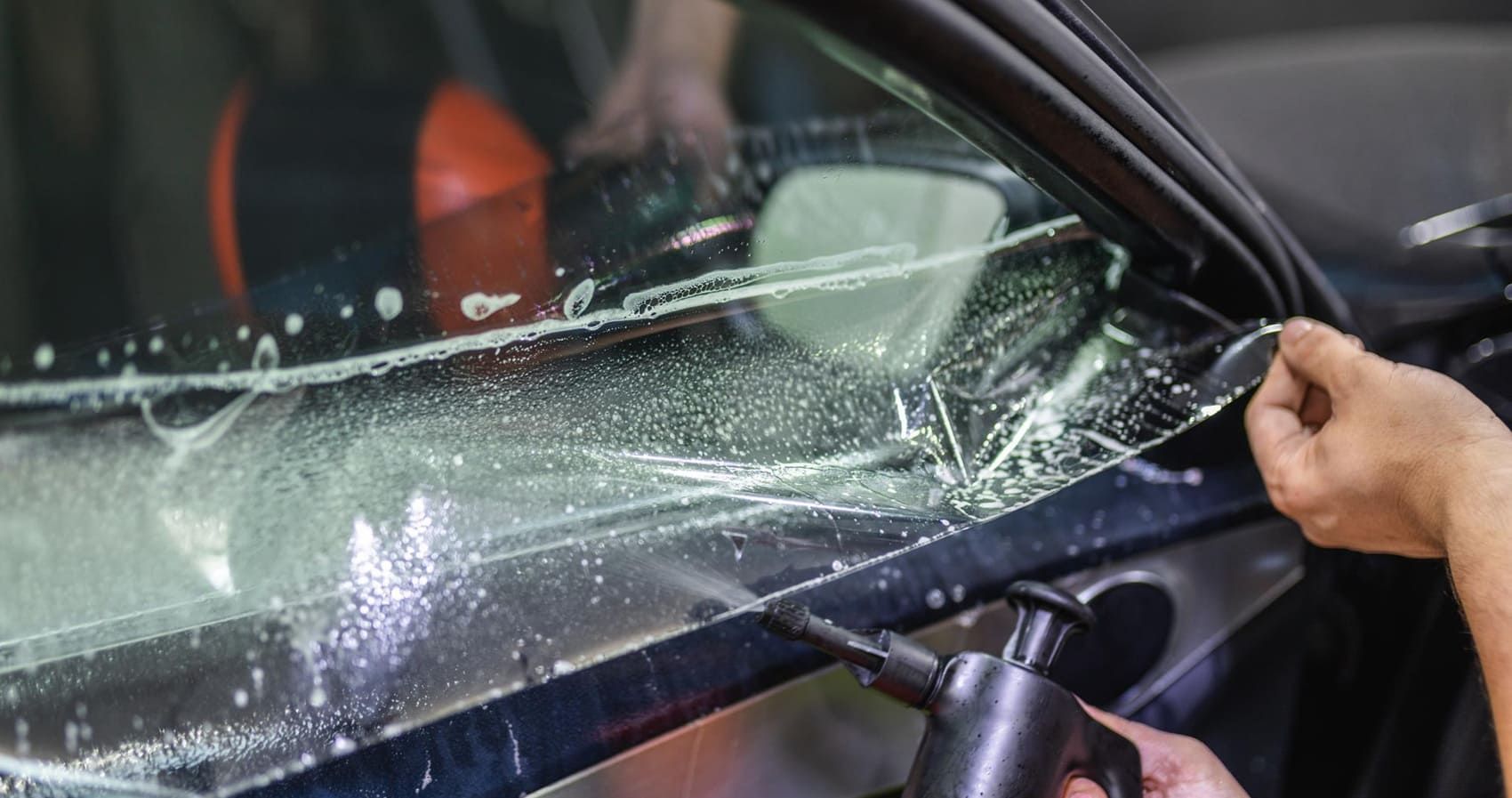
Paint protection film, often called PPF or
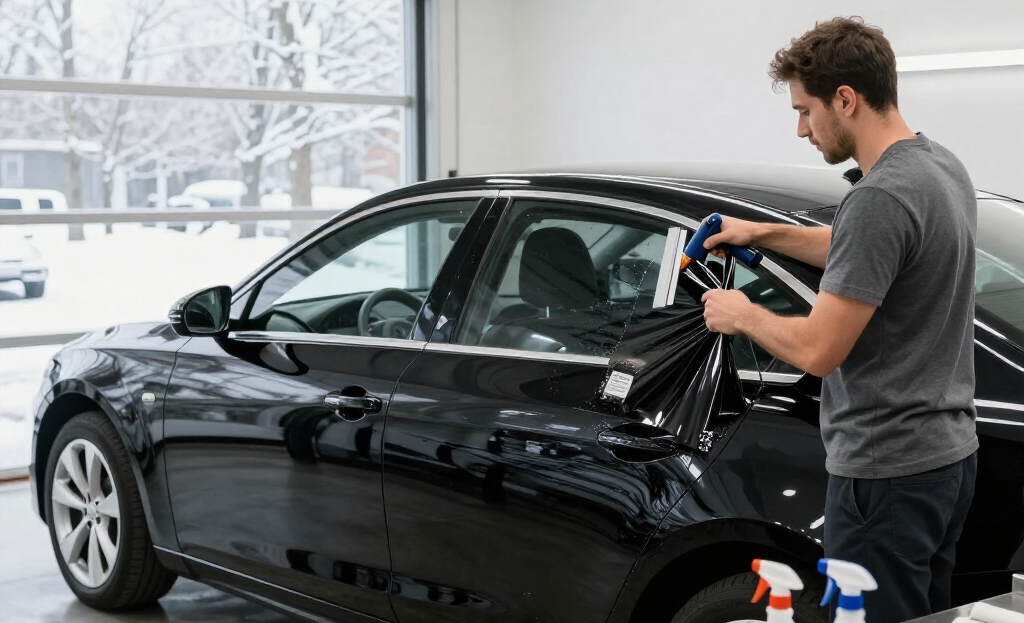
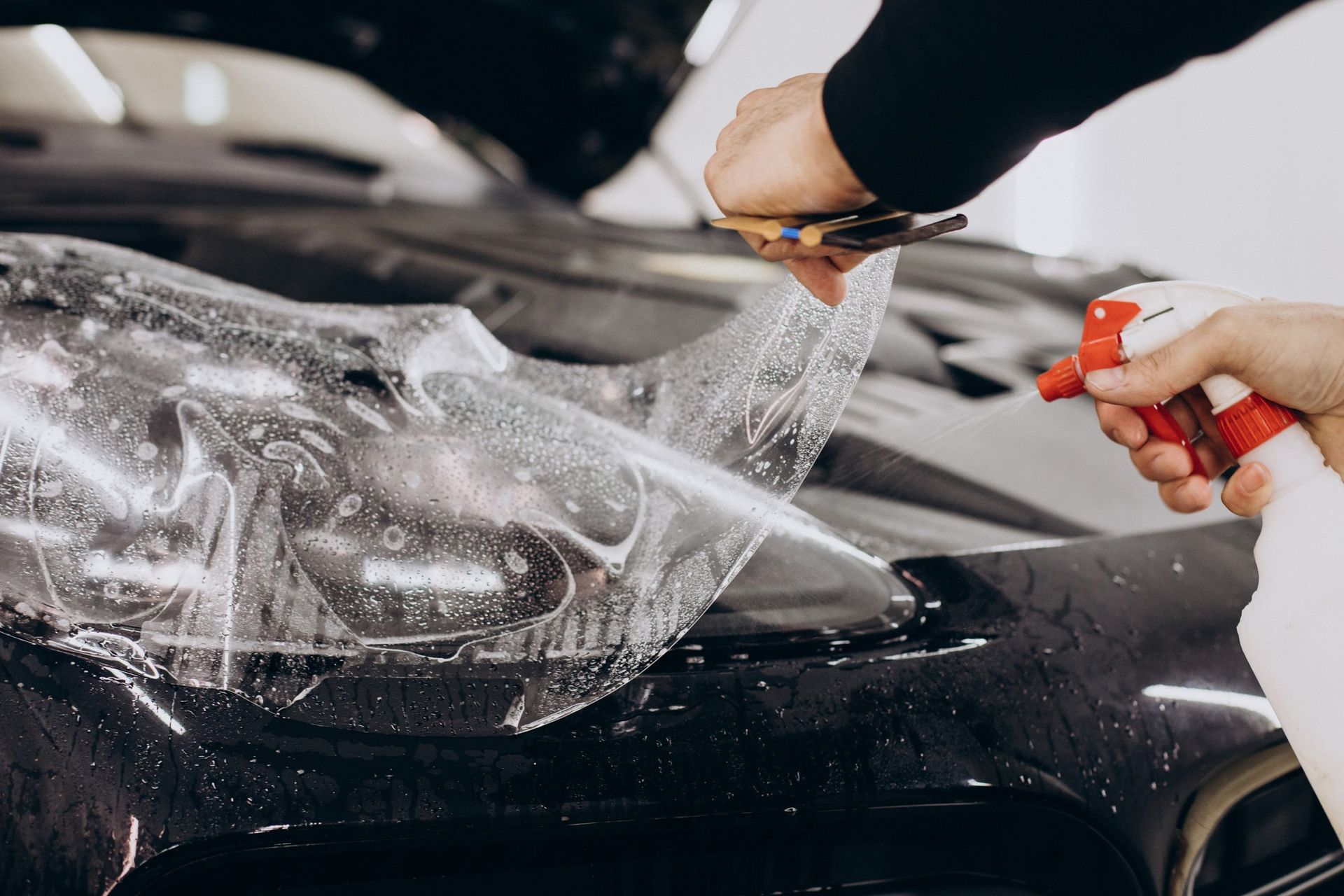
clear bra, is a thick, transparent urethane film designed to protect painted surfaces from impact and abrasion. If you have ever seen a car with tiny white chips on the hood or bumper, that is exactly the type of damage PPF is built to prevent. In Mt Laurel Township and surrounding South Jersey areas, everyday driving can expose your vehicle to road grit, construction debris, winter salt, and highway sand that can strike the front end at speed.
High quality PPF is engineered to take the hit so your paint does not. Instead of a rock chip breaking through clear coat and color, the film absorbs and disperses the energy. Many modern films also feature self-healing properties. That means light swirl marks and fine scuffs can soften and reduce with warmth and time, helping the surface maintain a clean look between washes.
At The Window Tinters, we install LLumar Paint Protection Film because it is engineered for superior impact resistance, clarity, and long term durability. For drivers who care about the way their paint looks under the sun, clarity matters. A film should protect without dulling reflections or turning hazy over time. Just as important, proper installation and edge finishing help keep the film looking seamless and staying secure through heat, rain, and winter freeze cycles common in New Jersey.
Common areas protected with PPF:
- Front bumper, including high impact corners
- Full hood or partial hood (coverage depends on goals and budget)
- Front fenders
- Headlights and fog lights
- Mirror caps
- Rocker panels and lower doors (great for gravel and road spray)
- Rear bumper loading area (useful for SUVs)
What PPF helps prevent most effectively:
- Rock chips and pitting from highway driving
- Scratches from light contact and everyday use
- Road rash in high spray zones
- Bug etching and tar staining that can embed into clear coat
PPF is not a magic shield against everything. It will not stop deep dents from major impacts, and it does not replace safe driving or careful washing. But for most daily driving damage, especially on the front end, it is the highest level of physical paint defense available.
Impact protection snapshot (practical view):
- Rock chips: PPF is the primary defense.
- Scratches from bushes or brushes: PPF reduces risk significantly.
- Swirl marks from washing: PPF can still swirl if washed poorly, but many films self-heal light defects.
2) What ceramic coating does for gloss and resistance
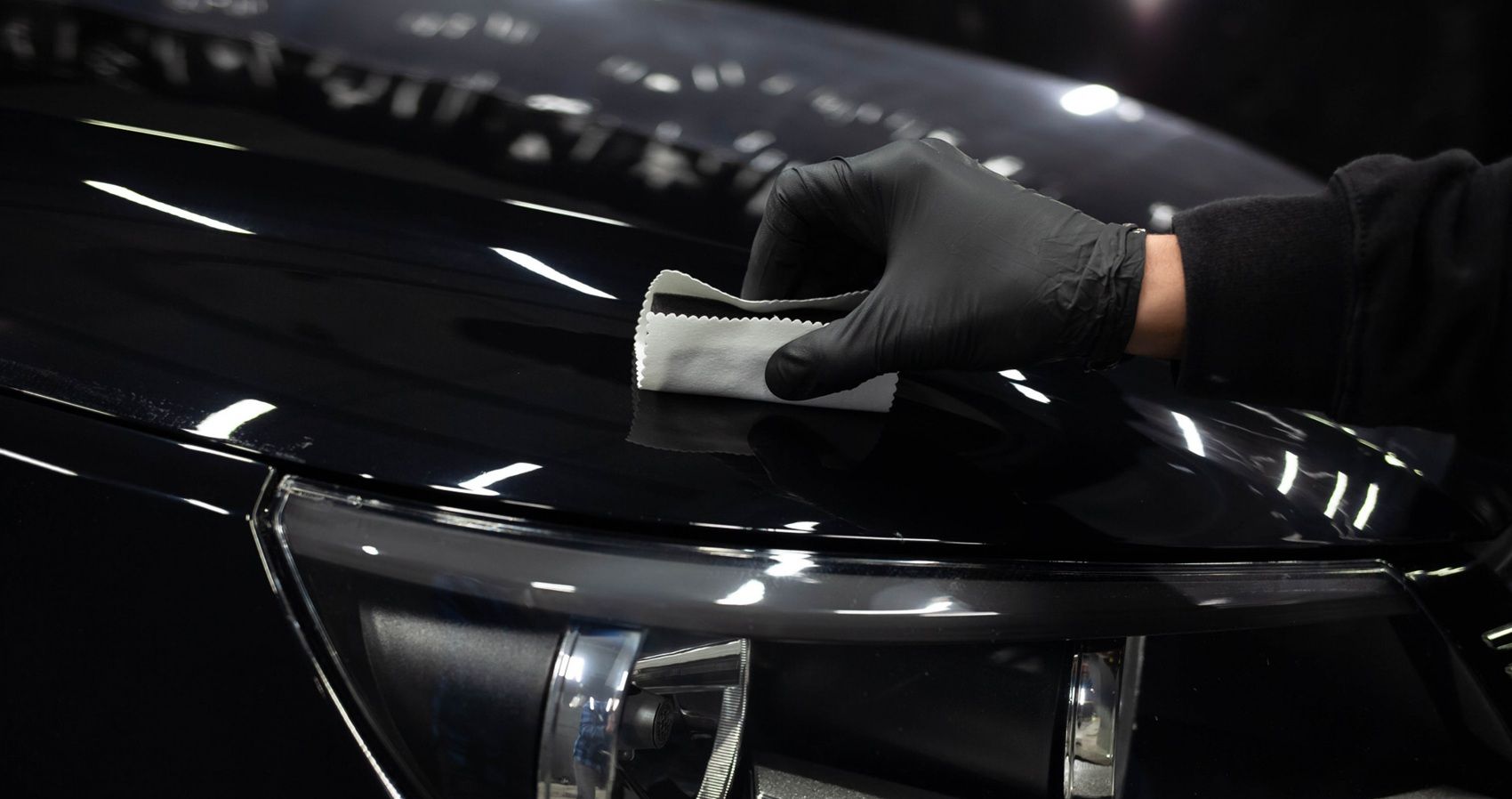
Ceramic coating is a liquid-applied protective layer that cures to form a durable, chemically resistant surface on top of your paint or on top of PPF. Unlike wax, which sits on the surface and wears away relatively quickly, a
ceramic coating forms a more resilient barrier that can last longer when properly installed and maintained. Many South Jersey drivers consider ceramic coating because they want deeper gloss, easier cleaning, and better resistance to the stuff that makes paint look tired over time.
Think of ceramic coating as a performance layer that upgrades how the surface behaves. It can increase hydrophobic behavior, meaning water beads and runs off more easily. That helps reduce water spotting and makes rinsing faster. It can also help resist chemicals that can stain clear coat, such as bird droppings, bug splatter, and certain road contaminants. For drivers who park outside in New Jersey sun and seasonal pollen, ceramic coating can help maintain a cleaner look with less effort.
When people search for ceramic coating South Jersey , they are usually looking for two outcomes. The first is appearance: strong gloss, depth, and slickness. The second is maintenance: faster washing and less sticking contamination. Ceramic coating does not stop rock chips the way PPF does, but it can reduce the everyday friction that makes paint harder to keep perfect.
What ceramic coating helps with most:
- Gloss enhancement and a more reflective finish
- Hydrophobic behavior for easier rinsing and drying
- Chemical resistance against many contaminants
- UV resistance support for long term paint appearance
- Reduced tendency for dirt to cling
What ceramic coating does not replace:
- It does not prevent most rock chips and high impact damage.
- It does not make paint scratch-proof.
- It does not fix existing paint defects without proper prep.
For best results, ceramic coating requires strong preparation. Any swirls, haze, or fine scratches that are left in the paint can still be visible after coating, sometimes more visible because the gloss increases. That is one reason installation order and professional prep work matter so much when comparing PPF vs ceramic coating .
3) PPF vs ceramic coating: key differences
To decide which protection is right for your vehicle, you need to compare what each product is designed to do. Many people assume they are competing products. In reality, they are often complementary layers. The best choice depends on your driving habits, parking situation, how long you plan to keep the vehicle, and what type of damage you hate most.
Quick comparison matrix (easy scan):
- Impact resistance: PPF is excellent. Ceramic coating is low.
- Hydrophobic performance: Ceramic coating is excellent. PPF varies by film, and can be improved by coating the film.
- Scratch and scuff resistance: PPF is strong for abrasion and has self-healing for light defects. Ceramic coating helps reduce micro-marring but can still scratch.
- UV support: Both can help preserve appearance. Ceramic coating supports UV resistance. PPF also provides a protective barrier and can reduce surface wear.
- Best use case: PPF is for rock chips and physical damage. Ceramic coating is for gloss, chemical resistance, and easier maintenance.
Lifespan expectations (general guidelines):
- PPF: Commonly measured in years, depending on film quality, coverage, and care. High quality films are designed for long term protection.
- Ceramic coating: Longevity varies by product and maintenance. Professional-grade coatings can last longer than consumer-grade products, but they still require proper wash habits.
Maintenance differences that matter in NJ:
- Winter salt: Both benefit from regular rinsing. Ceramic coating can make salt film easier to remove. PPF protects paint from abrasive salt grit and road spray damage.
- Car washes: Avoid harsh brushes. Hand washing is best. Poor washing is a major cause of swirls on both coatings and film.
- Decontamination: Ceramic coated paint may need periodic decon. PPF also benefits from safe decon methods to keep it clear and glossy.
Recommended installation order (high level):
- PPF first, then ceramic coating is the most common approach when you want both.
Here is a helpful way to think about it. If your top fear is a rock chip on the highway, PPF is the priority. If your top frustration is constant washing and water spotting, ceramic coating becomes more attractive. Many Mt Laurel drivers want both because they drive in mixed conditions across the year. The combination can deliver the most complete protection when installed in the right order.
4) Which comes first: PPF or ceramic coating?
When people ask, which comes first PPF or ceramic coating , the practical answer for most vehicles is PPF first . There are a few reasons for this, and they all come down to bonding, longevity, and the reality of installation steps.
Why PPF should be installed before ceramic coating:
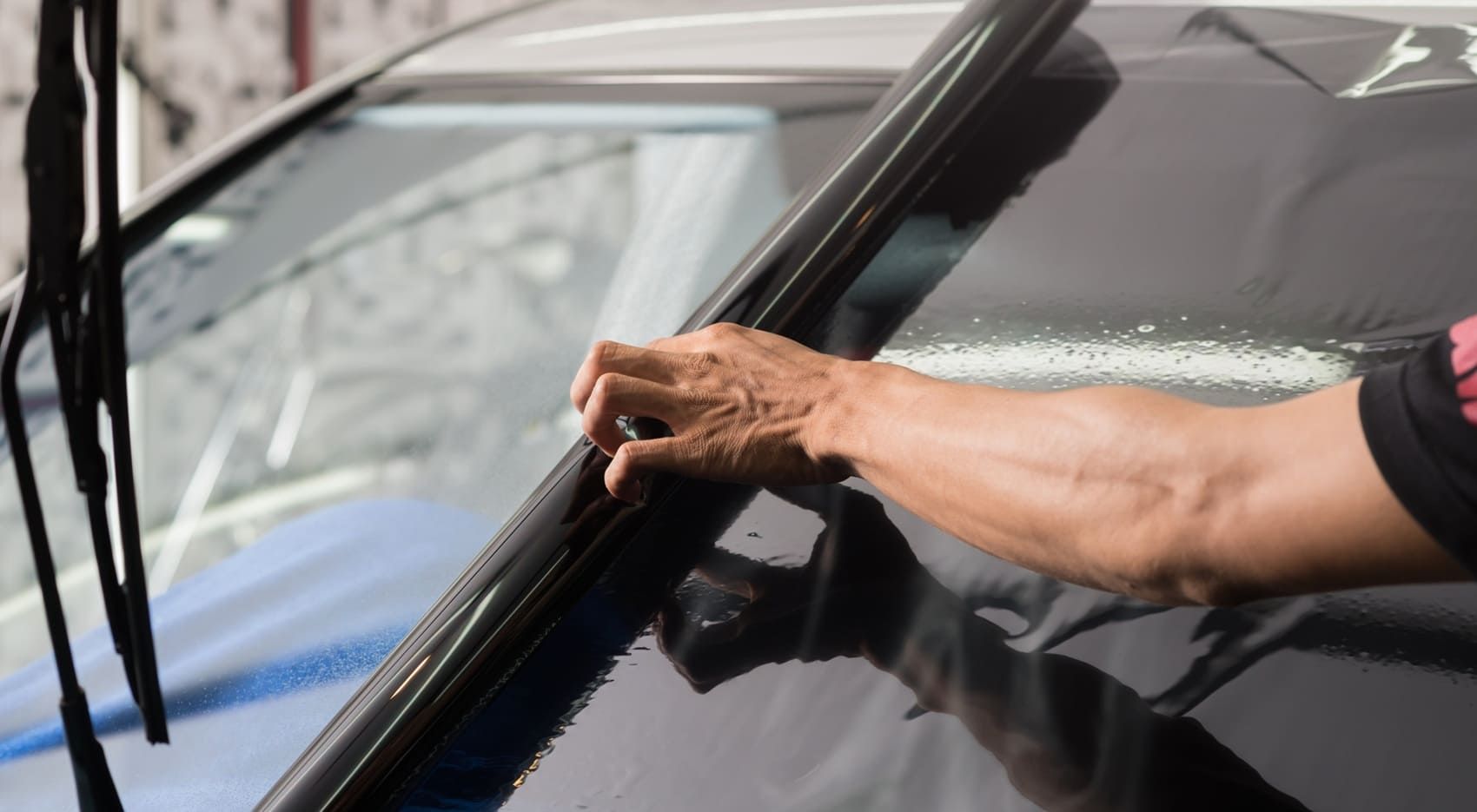
- PPF installation requires surface prep and positioning. If the paint is already ceramic coated, the installer may have to work on top of a surface that is more slippery and may not behave the same during film placement.
- PPF uses solutions during install. Those solutions, plus squeegee work, can compromise a coating that is not fully cured or can create uneven performance.
- You want protection where it matters most. PPF is primarily used on high impact zones. If you coat first and then add film later, you end up with two different surface behaviors across panels, which can complicate maintenance and appearance.
- Coating over PPF is a proven strategy. Applying ceramic coating after PPF can help unify gloss and hydrophobic behavior across film and uncovered paint.
When might ceramic coating come first?
- If you are not getting PPF at all and you want the quickest improvement in gloss and maintenance, coating can be done right away.
- If you are delaying PPF for budget reasons but want some protection now, ceramic coating can help maintain appearance. Just understand that if you add PPF later, you may redo some steps or accept inconsistent surface behavior until everything is unified.
Order recommendation by goal:
- Maximum chip defense: PPF first, then optional ceramic coating.
- Best overall appearance and wash ease: PPF first on high impact areas, then ceramic coating on film and remaining paint.
- Budget-first approach: Ceramic coating now, PPF later only if you accept some rework.
In South Jersey, road conditions change throughout the year. That makes front-end impact protection especially valuable. If you just bought a new vehicle and you want to keep the paint pristine for the long run, PPF first is typically the smarter sequence.
5) Layering PPF and ceramic coating for max results
Layering is where you get the best of both systems. PPF handles impact protection. Ceramic coating enhances gloss, improves chemical resistance, and can increase the ease of cleaning. When you combine them the right way, you reduce the biggest causes of paint degradation over time.
Common high-performance approach in Mt Laurel:
- Install LLumar paint protection film on the front bumper, hood, fenders, mirrors, and other high impact areas.
- Apply ceramic coating to the PPF and the remaining exposed paint to unify gloss and hydrophobic behavior.
What you gain by coating over PPF:
- More consistent hydrophobic behavior. The whole vehicle rinses and dries more evenly.
- Easier bug and tar cleanup. This is especially helpful on the front bumper and leading edges.
- Reduced staining risk. Film is already a barrier, and the coating adds another layer of resistance.
Layering checklist for best results:
- Correct paint first if needed so you are sealing in a finish you are proud of.
- Install PPF with careful edge work for a clean look.
- Allow appropriate settling time per product requirements.
- Apply ceramic coating to PPF and paint for a unified finish.
Performance comparison (layered system):
- Impact resistance: Highest, thanks to PPF.
- Hydrophobic performance: High, thanks to ceramic coating on top.
- UV support and appearance: Strong, because the surface stays cleaner and less etched.
- Maintenance time: Lower, because rinsing and drying are faster.
If you are the type of owner who cares about minimizing long term paint wear, layering is usually the most satisfying option. It also makes sense for leased vehicles that you want to return in excellent condition, as well as for cars you plan to keep for years.
6) Cost and long term value in South Jersey
Cost is often the deciding factor when comparing PPF vs ceramic coating. The reality is that PPF generally costs more than ceramic coating, especially when you increase coverage from a partial front to full front or full body. That higher cost is tied to material expense, labor, and the level of precision required to install film cleanly.
How to think about value instead of price:
- PPF value: Preventing paint damage that is expensive to repair, such as chips on the hood edge, bumper repainting, and visible scuffs. It is insurance against high impact cosmetic damage.
- Ceramic coating value: Keeping the vehicle cleaner with less effort, reducing the chance of etching and staining, and maintaining gloss. It is an efficiency and appearance upgrade.
Where South Jersey drivers often see the biggest payoff:
- If you commute highways or drive behind trucks often, PPF on the front end can save you from repeated chip repairs.
- If you park outside, ceramic coating can make it easier to keep paint looking fresh during pollen season and summer storms.
- If you keep vehicles a long time, the combined system can preserve resale value by maintaining a cleaner paint history.
Simple decision guide:
- Choose PPF first when you want maximum chip protection and you care most about the front end staying clean.
- Choose ceramic coating first when you want gloss and easier maintenance right away and you are not ready for film investment yet.
- Choose both when you want the highest overall protection and a consistent, easy-to-clean finish.
Want an accurate number? The best next step is a quote based on your vehicle, its paint condition, and the coverage you want. At The Window Tinters, we can compare packages and explain what makes the most sense for your driving pattern around Mt Laurel Township, Cherry Hill, Marlton, Moorestown, Voorhees, Medford, and nearby areas.
7) Why professional installation and warranties matter
Professional installation is one of the biggest factors that separates a “looks great for a month” result from a “looks great for years” result. Both PPF and ceramic coating are sensitive to surface prep, environmental conditions, and technique. If the prep is rushed or the product is installed incorrectly, you can end up with issues such as trapped debris, visible edges, streaking, high spots, or reduced longevity.
Why professional PPF installation matters:
- Edge control and alignment. Clean edges look better and reduce the risk of lifting.
- Surface preparation. Proper decontamination helps the film sit cleanly and reduces trapped imperfections.
- Material knowledge. Different films behave differently. Skilled installers know how to position, squeegee, and finish for long term clarity.
Why professional ceramic coating application matters:
- Paint correction options. Correcting swirls before coating locks in a better finish.
- Even application. Correct leveling reduces streaks and high spots.
- Proper curing process. Good process reduces early failure and helps performance match expectations.
Warranty protection and long term confidence:
- Product warranties typically assume correct installation and care.
- Professional shops can guide you on washing, drying, and maintenance products that help you keep performance strong.
If you are investing in premium protection, you want the install done right the first time. That is why many South Jersey owners choose a professional team for film and coatings, especially when the goal is to maximize durability and keep the vehicle looking sharp through New Jersey seasons.
FAQ: PPF vs Ceramic Coating
Can ceramic coating be applied over PPF?
Yes. Ceramic coating can be applied over PPF, and it is a common approach to improve hydrophobic performance and make film easier to clean. Proper prep and product compatibility matter.
Can you apply PPF over ceramic coating?
It is possible in some cases, but it is usually not recommended. The coating can interfere with how the film installs and behaves. Most owners should install PPF first, then coat.
Which comes first, PPF or ceramic coating?
For most vehicles that will have both, PPF comes first. Then ceramic coating is applied on top of the film and the remaining paint for consistent performance.
How long does PPF last in New Jersey?
Lifespan depends on film quality, coverage, driving conditions, and maintenance. Premium films are designed for long term protection when professionally installed and properly cared for.
How long does ceramic coating last?
Longevity depends on the coating product, prep quality, and wash habits. Professional-grade coatings generally last longer than consumer coatings, but maintenance still matters.
Does ceramic coating prevent rock chips?
Not in the way PPF does. Ceramic coating improves chemical resistance and wash ease, but it does not provide significant impact absorption against chips.
Do I need both PPF and ceramic coating?
Not always. If you want maximum impact protection, prioritize PPF. If you want gloss and easier cleaning, ceramic coating is a great option. Many owners choose both for the most complete system.
What is easier to maintain, PPF or ceramic coating?
Both benefit from safe wash habits. Ceramic coating makes rinsing and drying faster. PPF can be very manageable, and coating the film can further improve ease of cleaning.
How much do PPF and ceramic coating cost in South Jersey?
Pricing varies by vehicle, paint condition, and coverage. PPF typically costs more due to material and labor. Ceramic coating varies by prep level and product. A quote is the best way to compare.
How do warranties work for film and coatings?
Warranty terms vary by product and installation standards. Professional installation and documented care help protect your investment and reduce the risk of premature failure.
Conclusion: Do PPF first, then ceramic coating for best results
When drivers in Mt Laurel Township ask PPF vs ceramic coating and which should come first, the best answer for most paint-protection goals is simple. Install paint protection film Mt Laurel NJ first, then apply ceramic coating on top of the PPF and remaining paint if you want maximum gloss, chemical resistance, and easier maintenance. PPF is the impact shield that helps prevent rock chips and scuffs. Ceramic coating is the surface upgrade that makes the vehicle easier to keep clean and looking sharp across New Jersey seasons.
If you want a plan tailored to your vehicle, driving routine, and budget,
contact
The Window Tinters. We install
LLumar Paint Protection Film engineered for superior impact resistance, clarity, and long term durability, and we provide professional guidance on combining PPF and ceramic coating for maximum protection. Reach out today to get a
free estimate
for advanced paint protection solutions designed for South Jersey roads.