Best Tint Options for Electric and Hybrid Vehicles
Electric and hybrid vehicles have transformed what it means to drive in Mt Laurel Township, NJ—delivering quiet power, cutting-edge tech, and remarkable efficiency. But the advanced features that make these cars exciting also mean they have unique demands when it comes to
window tinting. Because electric and hybrid vehicles depend on efficient battery use, superior cabin comfort, and seamless connectivity, premium window tint is no longer just about looks. Today’s best tints for EVs and hybrids block radiant heat that drives up HVAC use, preserve delicate electronics from sun exposure, maintain consistent climate control for better battery range, and eliminate glare from panoramic roofs and touchscreen displays. Selecting the optimal film protects your investment and maximizes efficiency on every drive. For New Jersey’s changing seasons, expert window tint is the smart upgrade for every electric and hybrid car on the road.
Table of Contents
- Why Electric and Hybrid Vehicles Generate Extra Cabin Heat
- Best Tint Technologies for EVs and Hybrids
- Battery Efficiency: How Tint Improves Range and Comfort
- Protecting EV Interiors: Screens, Sensors, and Panoramic Roofs
- Recommended Tint Shades and VLT Levels for New Jersey
- Signal-Safe Films: Connectivity and Technology Considerations
- Choosing an EV Tint Specialist in Mt Laurel Township
- FAQ: Electric & Hybrid Vehicle Window Tinting
- Conclusion & Next Steps with The Window Tinters
1. Why Electric and Hybrid Vehicles Generate Extra Cabin Heat
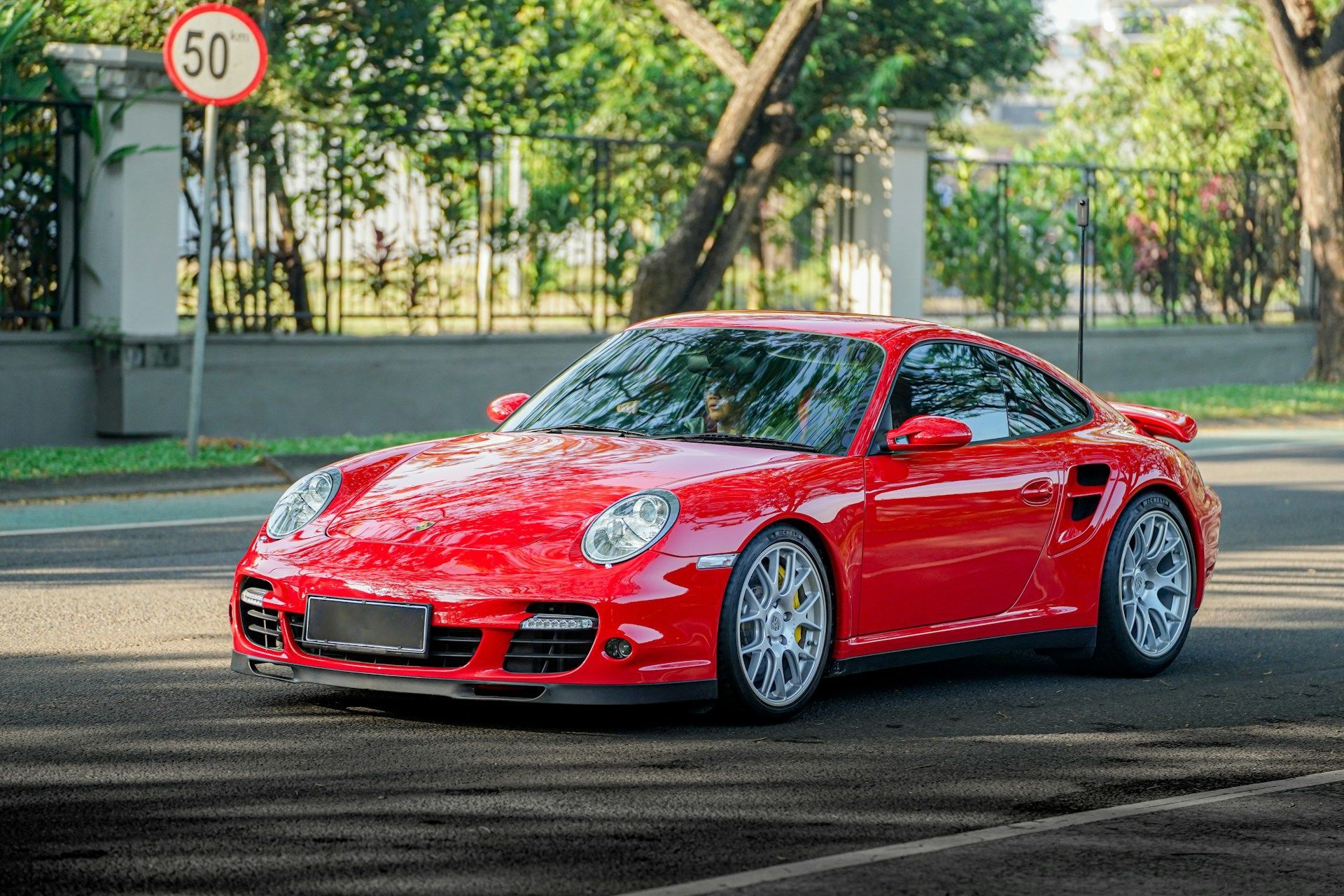
Electric and hybrid vehicles commonly feature expansive glass areas—think oversized windshields, large side windows, and panoramic glass roofs. These design choices enhance light and visibility but allow more solar energy and IR radiation to enter the cabin, intensifying heat buildup. Unlike conventional cars, where engine waste heat can supplement
climate control in winter, EVs and hybrids rely almost entirely on their HVAC systems to cool or warm the cabin. Extra cabin heat means greater demand on air conditioning, which in turn impacts both comfort and energy efficiency. For this reason, window tint is far more than a cosmetic upgrade for modern green vehicles—it is a crucial part of the energy equation for year-round driving in Mt Laurel Township.
2. Best Tint Technologies for EVs and Hybrids
Not all window films are created equal, especially for the needs of electric and hybrid vehicles. The top choices for superior heat rejection, clarity, and longevity include:
| Film Technology | Heat Rejection (%) | Glare Reduction | Signal Safe? |
|---|---|---|---|
| Dyed | 30–45 | Moderate | Yes |
| Metallic | 35–65 | High | No (may interfere) |
| Ceramic | 50–85 | Excellent | Yes |
| Nano Ceramic | 60–95 | Premium | Yes |
| Infrared Blocking | Up to 99 | Premium | Yes |
Ceramic and nano ceramic tints combine top heat and glare reduction with crystal-clear optical quality and minimal impact on connectivity. IR-blocking films offer the best possible defense against heat—essential for EV and hybrid battery preservation, comfort, and tech safety.
3. Battery Efficiency: How Tint Improves Range and Comfort
Running the AC or heater draws power from the traction battery on electric and hybrid vehicles, directly affecting range. By dramatically reducing solar heat gain, high-performance tints lessen air conditioning demand, allowing more energy for driving rather than cooling. In summer, this means cooler cabins upon entry and less battery drain. In winter, window tint also helps keep cold drafts at bay, reducing heater runtime. Studies show that ceramic and nano ceramic tints can yield up to a 15 percent improvement in battery range compared to untinted glass in extreme weather. Every mile of efficiency saved extends uptime between charges—a critical edge for New Jersey EV drivers.
4. Protecting EV Interiors: Screens, Sensors, and Panoramic Roofs
Electric and hybrid vehicles are packed with advanced technology—touchscreens, digital dashboards, parking sensors, cameras, and ADAS modules. These components are vulnerable to direct sunlight, UV rays, and heat. Excessive sun exposure can cause fading, screen discoloration, premature wear, and overheat warnings on sensitive interfaces. Premium tint blocks up to 99 percent of damaging UV rays, protects screen clarity, and shields critical electronics for long-term reliability. For panoramic roofs—a popular feature on new EVs—nano ceramic films maintain open, airy aesthetics while keeping cabins cool and comfortable for every passenger.
5. Recommended Tint Shades and VLT Levels for New Jersey
New Jersey’s tint laws specify legal limits for visible light transmission (VLT), so it’s essential to choose films that deliver both compliance and performance. For most electric and hybrid cars, a VLT range between 35–50 percent for front windows offers excellent glare and heat reduction while preserving night driving visibility. For rear and back seat windows, slightly darker tints may be selected for privacy and extra insulation. Ceramic and nano ceramic tints maintain high clarity even in lighter shades, ensuring a safe, legal, and comfortable ride throughout NJ’s diverse weather.
| Window | Recommended VLT | Benefit |
|---|---|---|
| Front Side | 35–50% | Balanced safety and efficiency |
| Rear Side | 20–35% | Privacy and added insulation |
| Panoramic Roof | 20–35% | Glare block and cooling |
6. Signal-Safe Films: Connectivity and Technology Considerations
Electric and hybrid vehicles depend on constant connections—Bluetooth for media, wireless updates, GPS navigation, smartphone access, driver assistance sensors, and more. Some metallic tints can disrupt these signals, leading to GPS lag, dropped calls, or malfunctioning smart features. The best tint for electric cars and hybrids is always non-metallic, such as ceramic, nano ceramic, or advanced IR-blocking films. These options guarantee hardware and connectivity performance stays strong, letting you fully enjoy all your EV’s smart tech on New Jersey roads.
7. Choosing an EV Tint Specialist in Mt Laurel Township
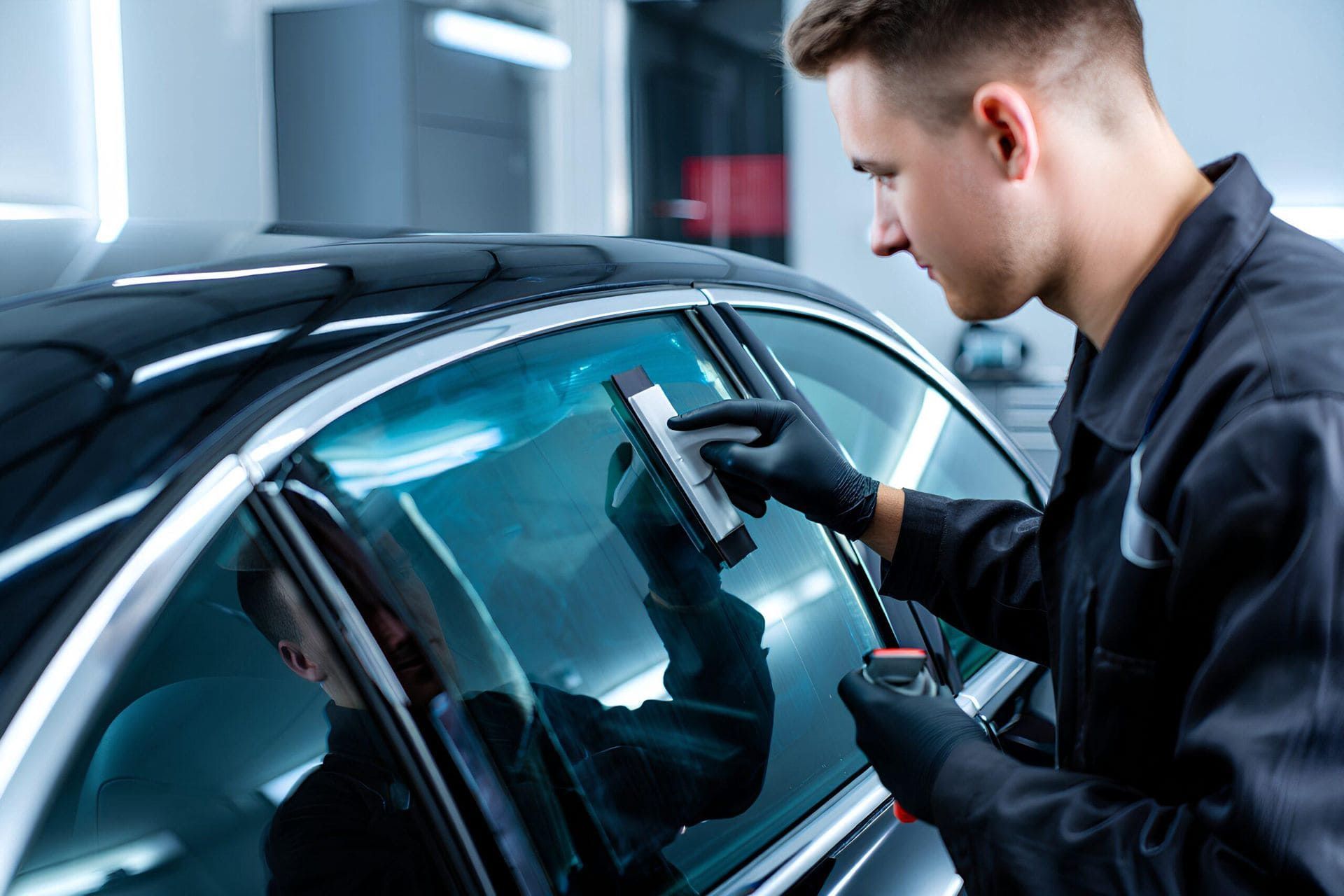
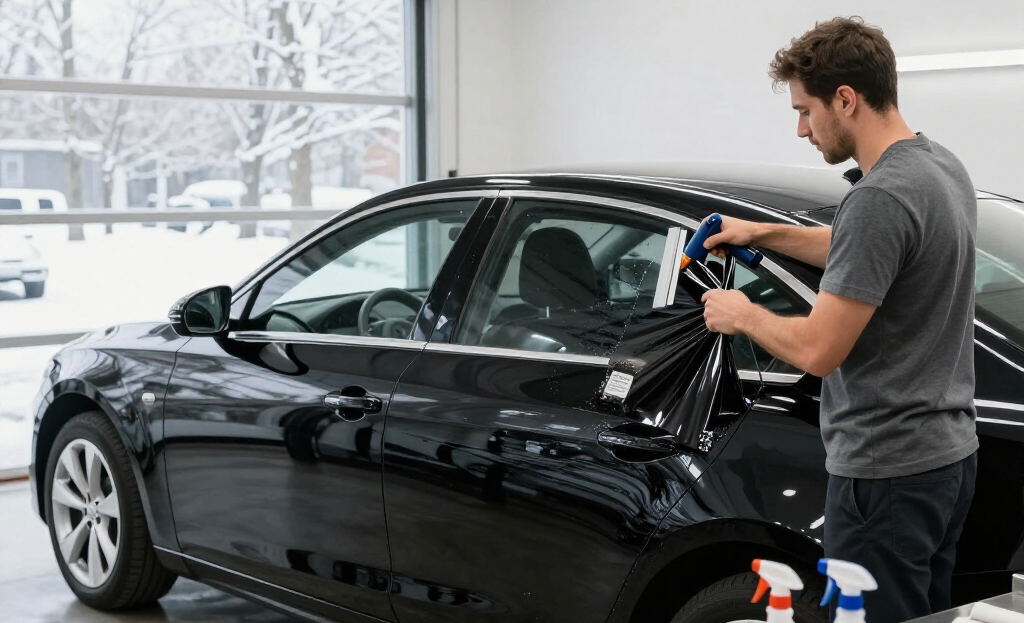
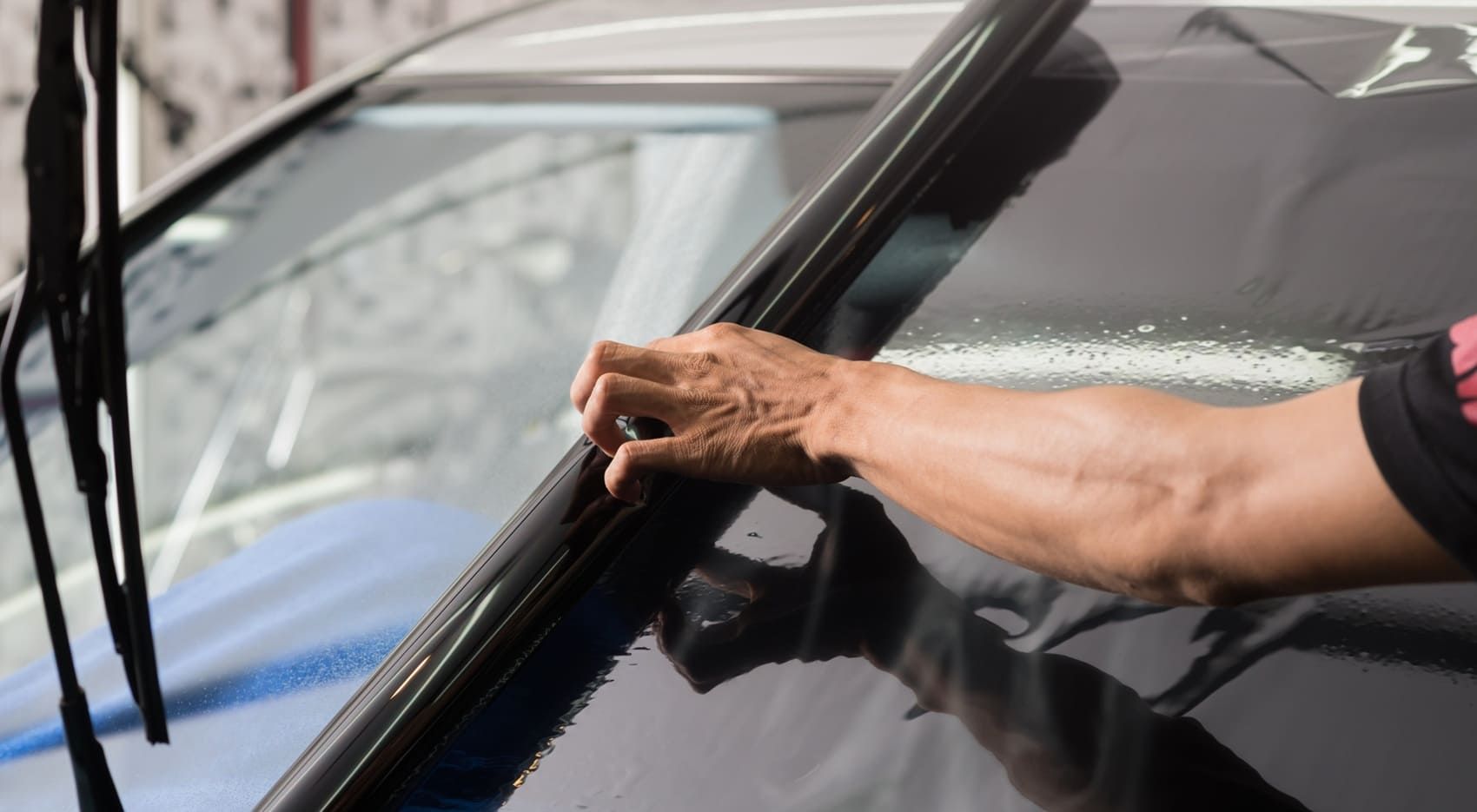
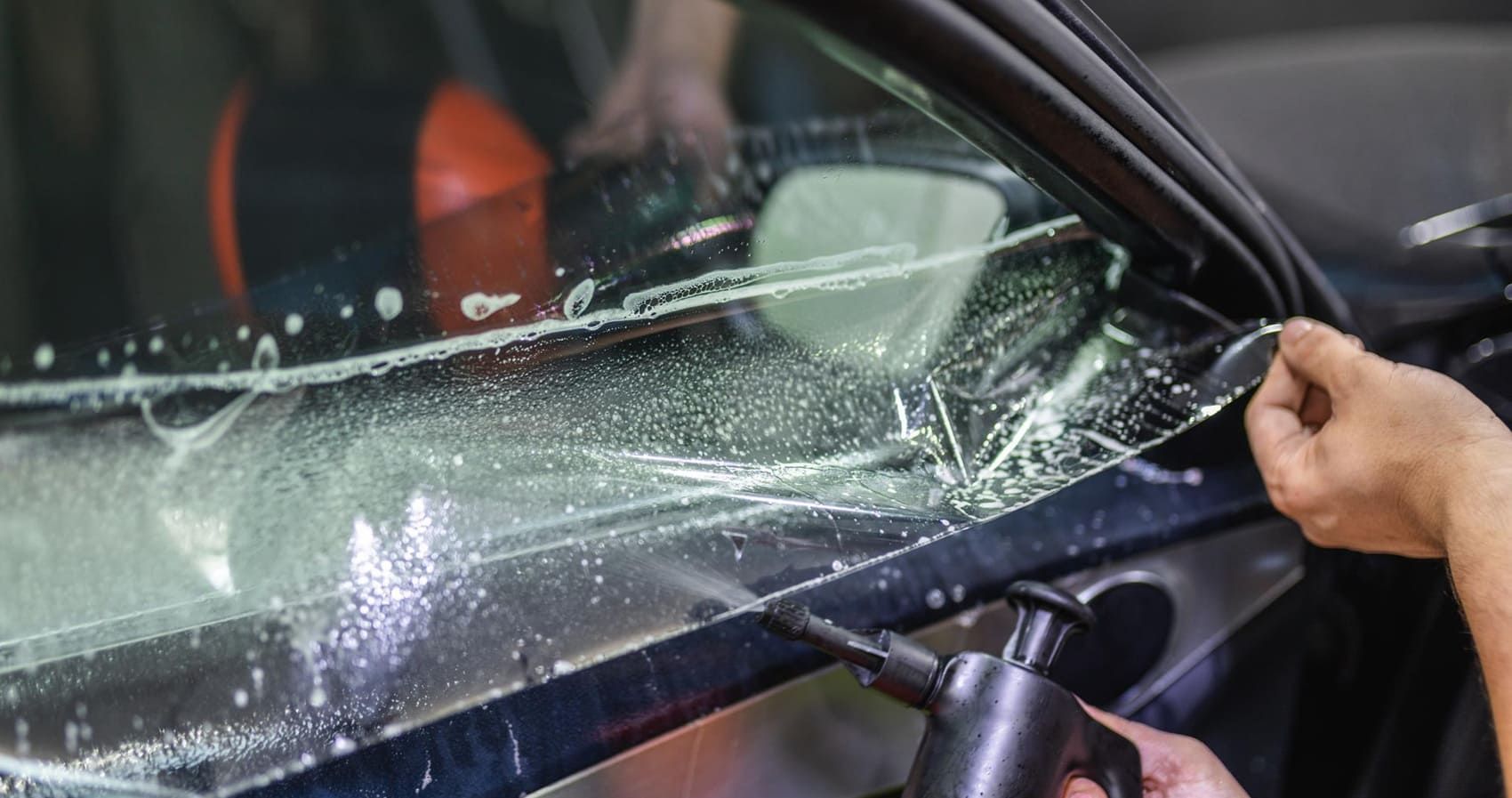
Optimal results require a certified installer with experience in electric and hybrid vehicle tinting. The Window Tinters understands EV needs—employing specialized techniques and products, such as paint-safe methods for delicate trims, careful screen masking, safe battery and electronics handling, and knowledge of unique EV climate sensitivities. Look for an installer offering warranty-backed premium films, up-to-date compliance, and a reputation for EV customer care throughout Mt Laurel Township and South Jersey. A true specialist will recommend the best film for your vehicle make, model, and tech suite, ensuring years of efficient, comfortable, and protected driving.
- Check installer certifications and EV experience
- Request film samples and heat rejection data
- Ask about warranty support for both product and installation
- Read local reviews and request customer references
FAQ: Electric & Hybrid Vehicle Window Tinting
How does window tint affect EV battery range?
Reduces heat gain, lowers AC use, and can extend range by up to 15 percent during hot months.
Will tint interfere with my EV's sensors and GPS?
No, as long as non-metallic tints like ceramic or nano ceramic are used.
What’s the best VLT tint shade for EVs in NJ?
35–50 percent VLT for front windows, balancing heat rejection, legal compliance, and visibility.
Should I tint my EV’s panoramic roof?
Yes—nano ceramic films provide optimal clarity, UV protection, and keep cabin temps comfortable.
How do I care for tinted windows in my hybrid?
Use gentle, ammonia-free cleaners and soft cloths; avoid scraping or abrasive pads.
How long do premium EV tint films last?
With professional installation, expect 10+ years of durability with high-quality ceramic or nano ceramic films.
Will tinting void my vehicle warranty?
No, when installed professionally using approved products—always check with your installer.
Can I install window tint on my EV myself?
It is recommended to use experts familiar with EV structures, as DIY can risk damage to sensitive electronics and trim.
Does tinting help EVs in winter?
Yes, by retaining heat and reducing HVAC load, tint adds year-round comfort and efficiency.
What is the best tint brand for EVs?
Look for leading brands with proven signal-safe, heat-blocking films like LLumar, 3M, or Suntek recommended by specialist installers.
Conclusion & Next Steps with The Window Tinters
When it comes to caring for electric and hybrid vehicles in 2026, the smart choice in window tint delivers long-term efficiency, comfort, and protection. By choosing ceramic, nano ceramic, or signal-safe IR-blocking films, EV and hybrid drivers in Mt Laurel Township, NJ can maximize driving range, protect advanced interiors, and enjoy crystal-clear technology—while remaining fully compliant with New Jersey tint laws. For expert guidance, premium window films, and professional installation, contact The Window Tinters in Mt Laurel Township today to schedule a free estimate. Let our team help make your next drive cleaner, cooler, and more connected.