Best Window Tint for Heat Reduction in NJ | Mount Laurel Guide
New Jersey summers don't play around. Between the humidity rolling off the Delaware River and long stretches of sun-baked highway on Route 73 or I-295, a parked car in Mount Laurel can feel like an oven by 2 p.m. If you've ever grabbed a steering wheel that felt like it came out of a toaster, you already know why heat reduction is one of the top reasons South Jersey drivers and homeowners look into window tint.
But not all window tint is created equal. Some films look dark and stylish but do almost nothing to block heat. Others are engineered specifically to reject infrared heat while staying nearly clear. If you're trying to figure out which option actually makes a difference in a Burlington County or Camden County summer, this guide breaks down the science, the film types, and what local drivers and homeowners should ask before booking an installation.
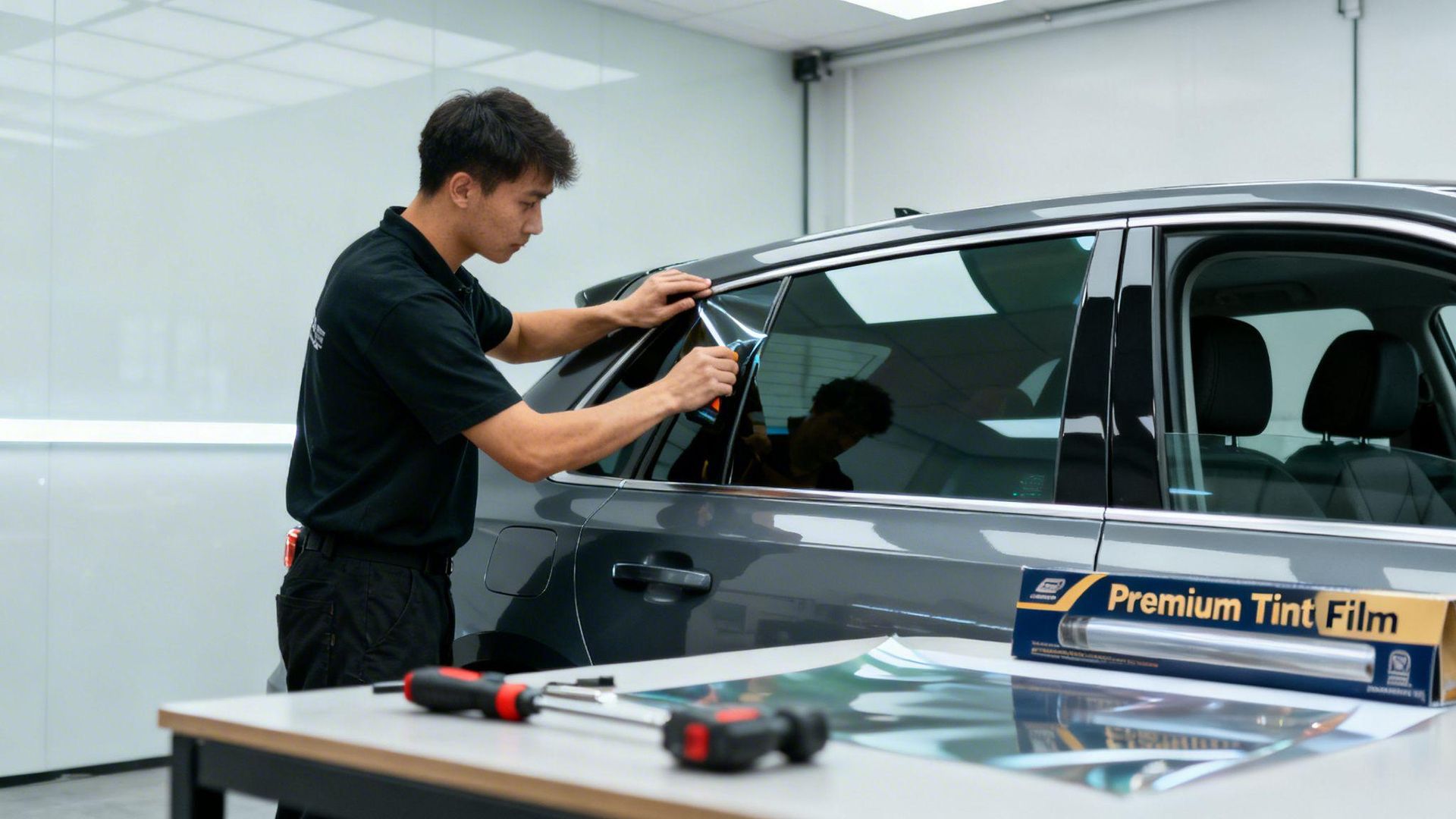
Why Heat Reduction Actually Matters for NJ Drivers and Homeowners
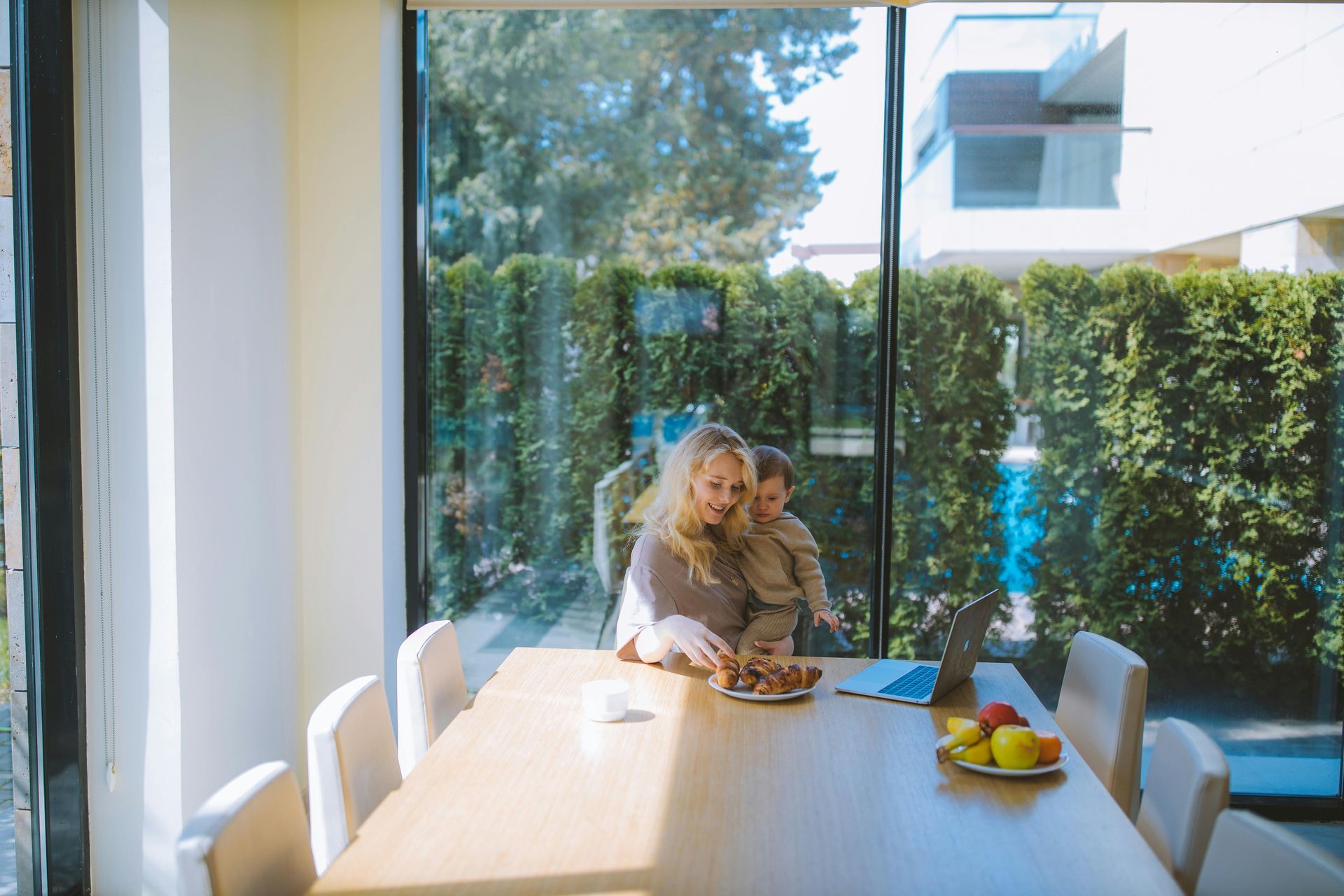
Heat isn't just an annoyance — it has real costs. A vehicle's interior temperature can climb well above the outside air temperature within minutes of being parked in direct sun, which accelerates dashboard cracking, fades upholstery, and forces your AC system to work overtime every time you start the car. For homes and offices, unshaded south- and west-facing windows can turn a living room or storefront into a greenhouse by late afternoon, driving up cooling bills throughout a South Jersey summer that regularly sees stretches of 90-degree days with heavy humidity.
Most of that heat doesn't come from visible light — it comes from infrared (IR) radiation and ultraviolet (UV) rays, which pass through untreated glass almost unfiltered. That's the key detail most people miss: a tint's heat-blocking ability isn't about how dark it looks. It's about how much infrared and UV energy the film's technology can reject before it ever reaches your skin, your dashboard, or your furniture.
The Main Types of Window Tint — and How They Handle Heat
There are four common categories of automotive and residential window film, and they perform very differently when it comes to heat rejection.
1. Dyed Film
Dyed tint uses layers of dye to darken the glass and add privacy. It's the most affordable option, but the dye absorbs heat rather than rejecting it, which means it can actually radiate warmth back into the cabin or room over time. Heat reduction performance is modest at best.
2. Metalized Film
Metalized tint embeds tiny metallic particles that reflect heat and light away from the glass. It offers noticeably better heat rejection than dyed film, but it can interfere with radio, GPS, and cell signals, and it often has a slightly reflective, mirror-like appearance that some drivers and municipalities don't love.
3. Ceramic Film
Ceramic tint uses nano-ceramic particles (non-metallic and non-conductive) to block infrared heat and UV rays without the signal interference or heavy reflectivity of metalized film. This is where the real performance gap shows up: ceramic film can block a significantly higher percentage of infrared heat than dyed or standard metalized options, all while staying lighter in appearance if you want a subtler look.
4. Hybrid Film
Hybrid film blends dye and metal layers to strike a middle ground on cost and performance. It's an upgrade over dyed film but still falls short of what ceramic technology can do for heat rejection.
Heat Reduction Comparison by Film Type
| Film Type | Infrared Heat Rejection | UV Rejection | Signal Interference | Typical Cost | Best For |
|---|---|---|---|---|---|
| Dyed | Low | Moderate | None | $ | Budget privacy, minimal heat concerns |
| Metalized | Moderate–High | Good | Yes (possible) | $$ | Heat reduction on a budget, older vehicles |
| Hybrid | Moderate | Good | Minimal | $$ | Balanced performance and cost |
| Ceramic (e.g., FormulaOne) | Very High | Excellent (up to 99%) | None | $$$ | Maximum heat reduction, comfort, and clarity |
Why Ceramic Tint Is the Best Choice for Heat Reduction in NJ
For drivers and homeowners in Mount Laurel and the surrounding South Jersey region, ceramic film consistently comes out on top for one simple reason: it blocks the most heat-causing infrared energy without sacrificing visibility or signal strength. That matters in a state where drivers rely on GPS for commuting through Cherry Hill, Marlton, Moorestown, and beyond, and where homeowners want their windows to stay clear and bright, not mirrored or overly dark.
High-performance ceramic films, like the FormulaOne line installed by LLumar SelectPro dealers, are engineered specifically to reject infrared heat and block up to 99% of harmful UV rays. That combination means a cooler cabin or room, less strain on your AC system, and meaningful protection for your dashboard, upholstery, flooring, and furniture from sun fading over time. Ceramic film also resists fading, bubbling, and discoloration far better than dyed alternatives, which is why premium installers typically back it with a lifetime warranty against those exact issues.
How Much Heat and UV Does Ceramic Tint Actually Block?
In general terms, quality ceramic films are built to block the large majority of infrared heat that passes through standard automotive or architectural glass, while also filtering out nearly all UV radiation. The result is a cabin or room that feels noticeably cooler to the touch and to the skin, even on films with a lighter visible light transmission (VLT) that keep the glass looking clear rather than dark. This is very different from older-generation dyed films, where you'd need a very dark shade just to get modest heat relief — and even then, the heat absorbed by the dye can radiate back inward.
NJ Tint Laws: Balancing Heat Reduction With Legal Limits
Heat reduction is important, but it has to work within New Jersey's window tint regulations. NJ law restricts how dark tint can be on certain windows, particularly the windshield and front side windows, and vehicles are subject to inspection for compliance. The good news is that modern ceramic films solve the old trade-off between "dark enough to feel cooler" and "legal enough to pass inspection." Because ceramic technology rejects heat through film chemistry rather than sheer darkness, you can get strong heat performance at a lighter, fully compliant VLT — which is one more reason it's become the go-to recommendation for NJ drivers who want comfort without risking a ticket.
A reputable local installer should be able to walk you through NJ's specific VLT limits for your vehicle type and confirm your chosen film meets them before installation day.
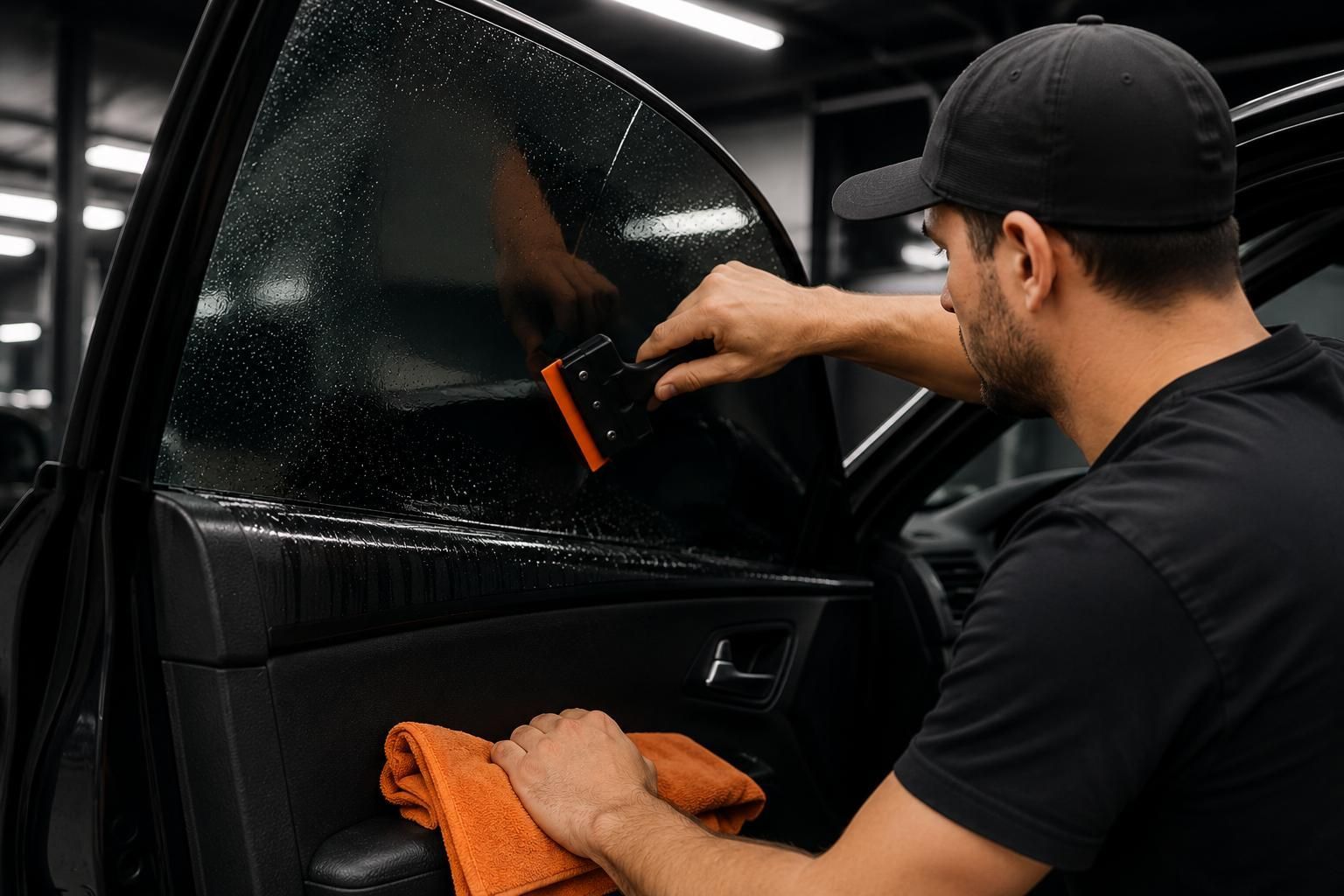
How Professional Window Tinting for Heat Reduction Actually Works
Getting real heat-reduction performance depends as much on the installation as it does on the film itself. Here's what the process typically looks like with an experienced installer.
1. Consultation and Film Selection
A good shop starts by discussing your goals — heat reduction, UV protection, privacy, or all three — and your vehicle or property type, then recommends a film and VLT that fits both your needs and NJ's legal requirements.
2. Glass Preparation
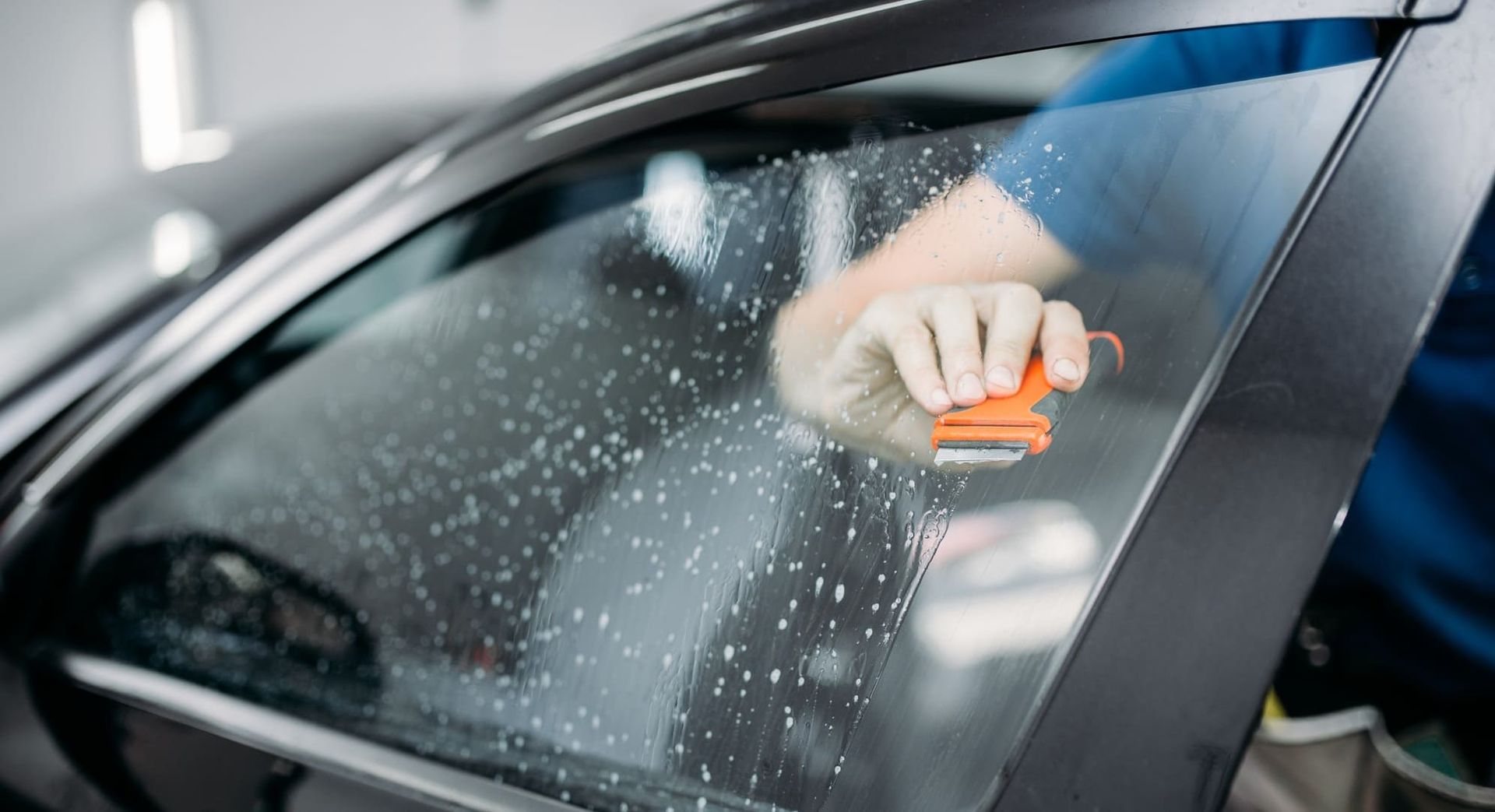
Windows are thoroughly cleaned and inspected for any residue, debris, or old film that needs to be removed first. This step matters more than most people realize — trapped dust or leftover adhesive under new film leads to bubbling and reduced performance down the road.
3. Precision Cutting and Application
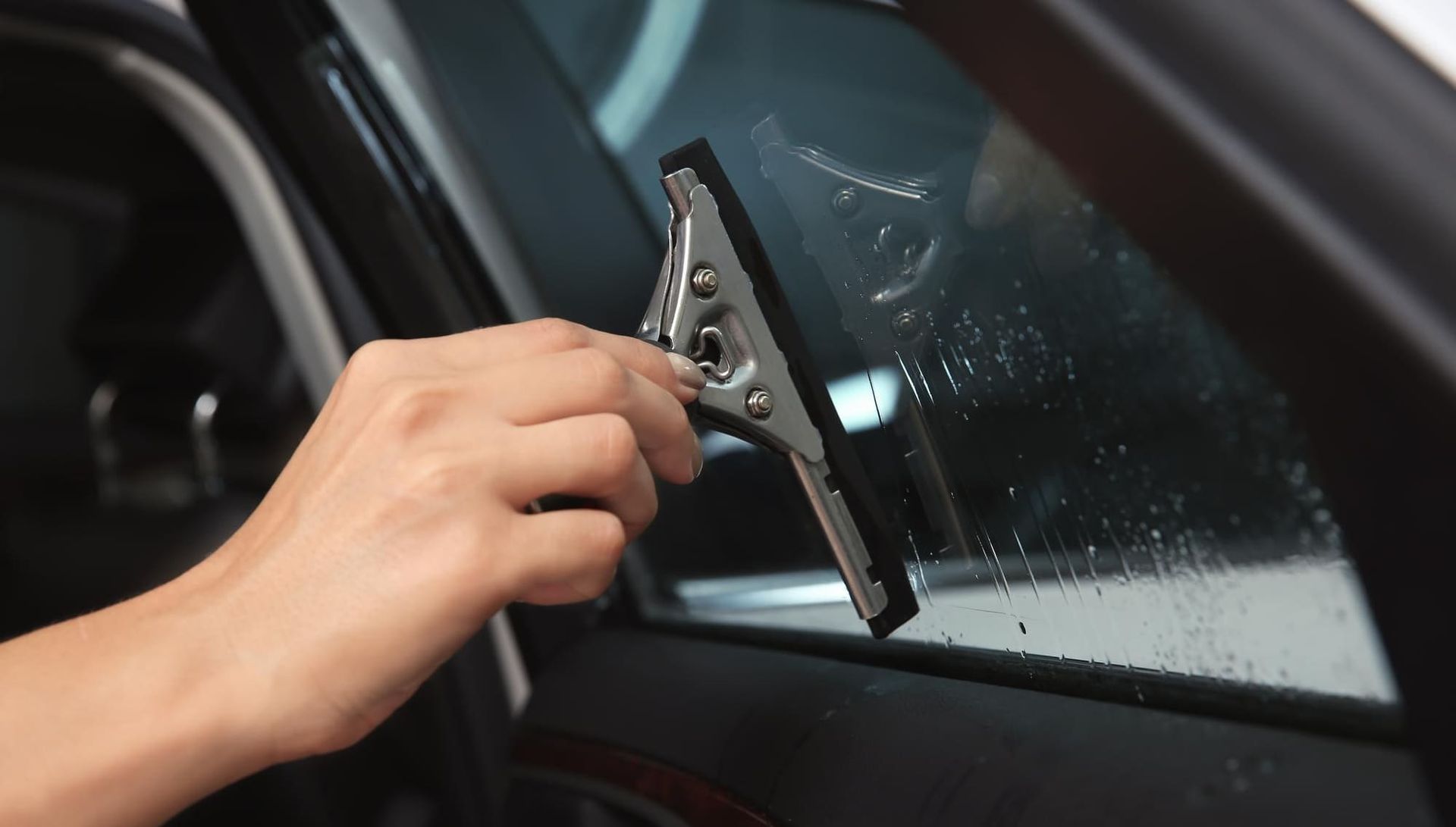
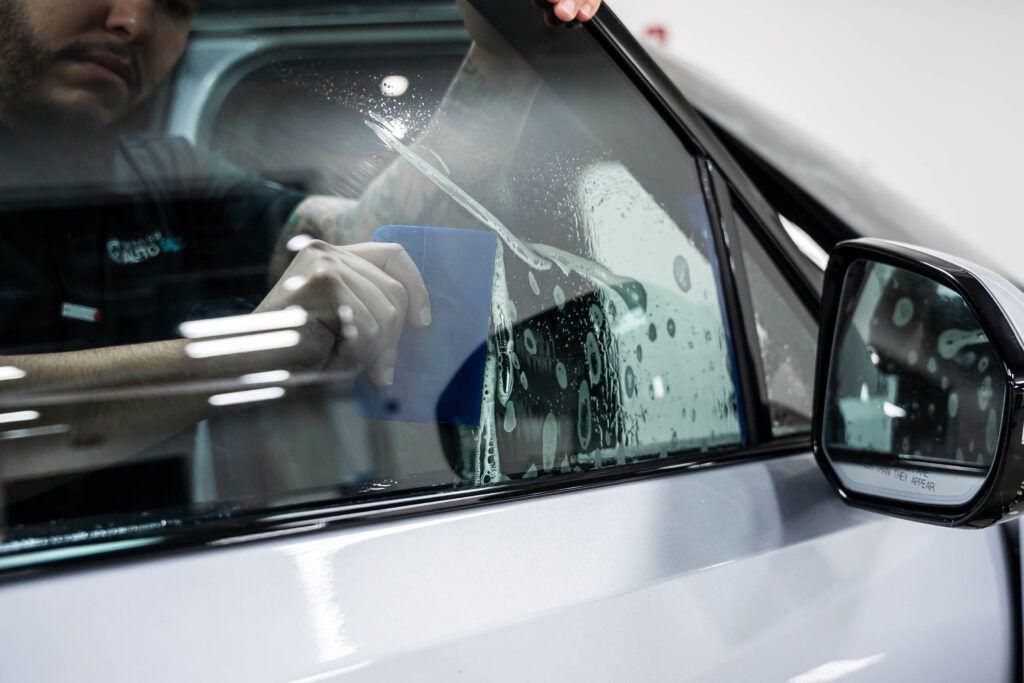
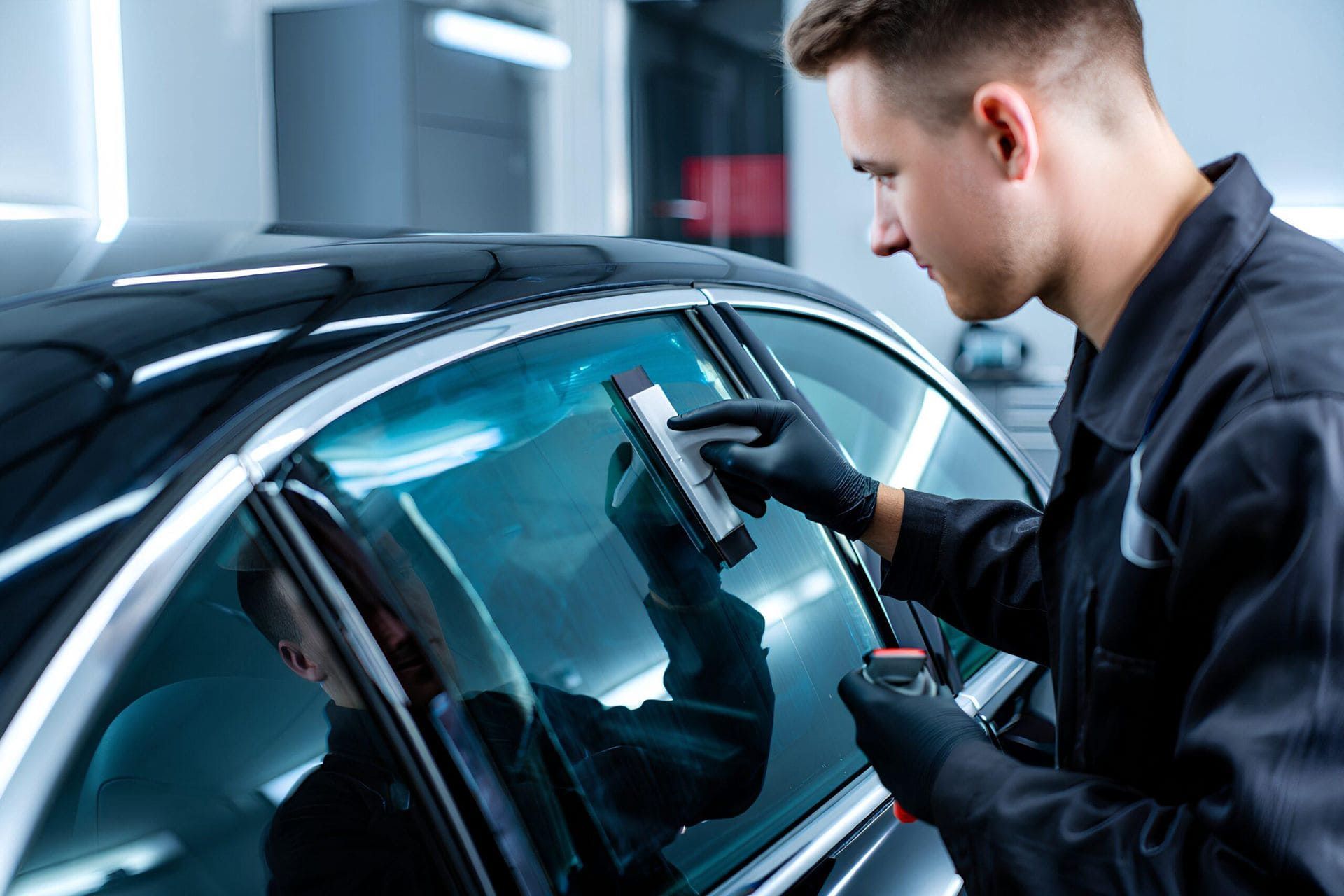
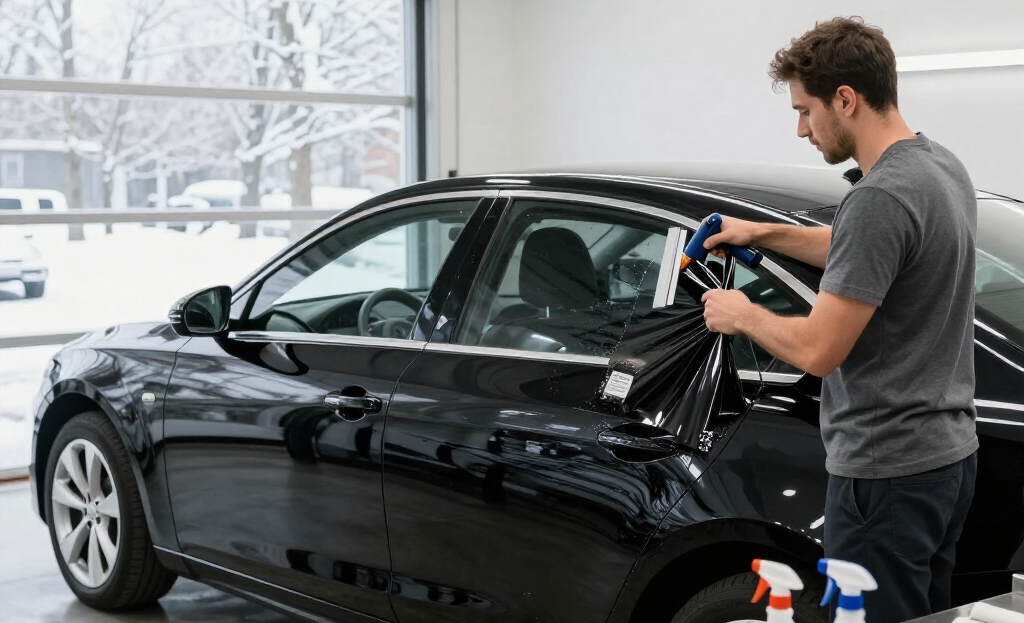
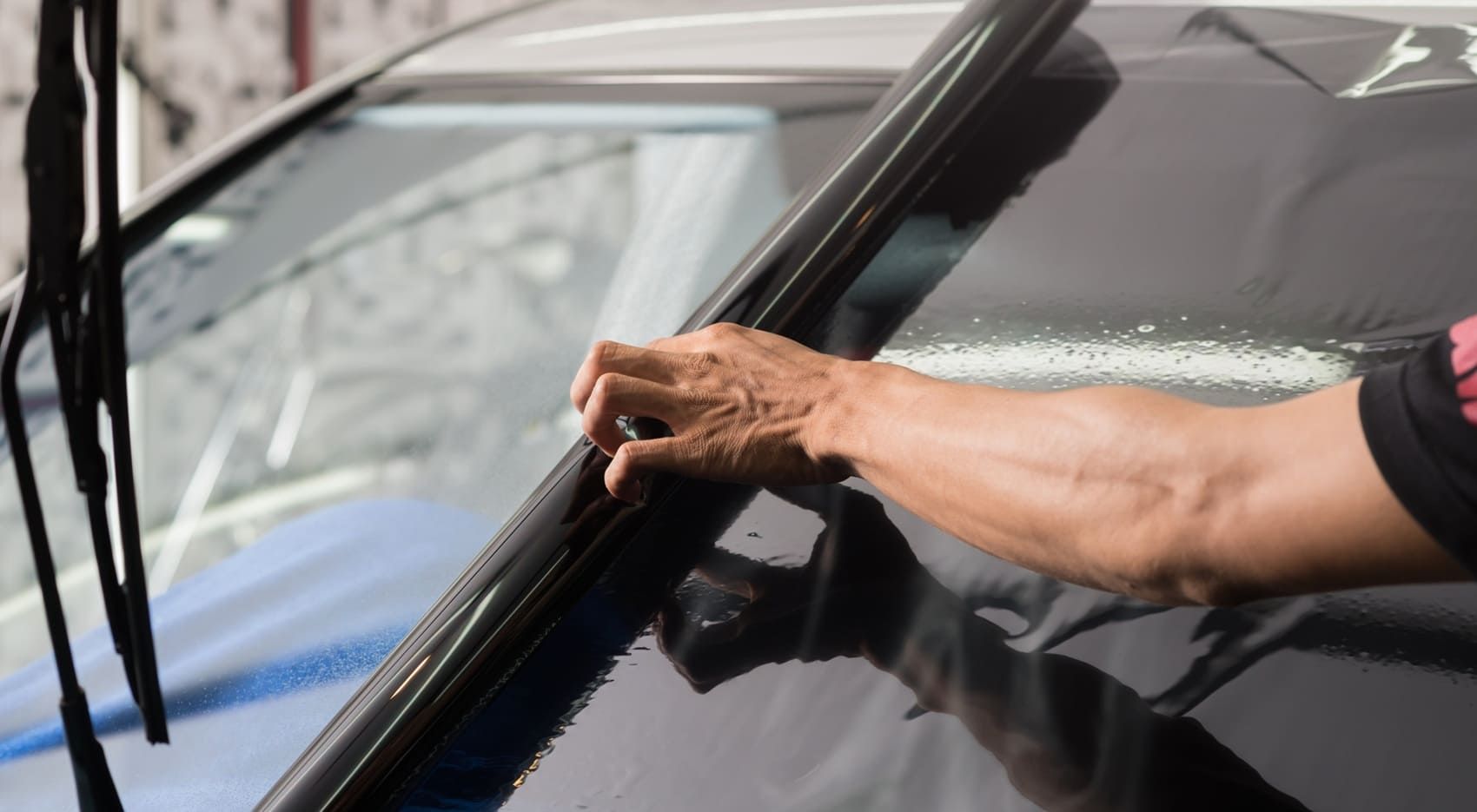
The film is computer-cut or hand-cut to match your exact window dimensions, then carefully applied and squeegeed into place to remove air and moisture, ensuring a clean, bubble-free finish.
4. Curing
Ceramic film needs time to fully bond and cure. Depending on weather and film type, this can take several days, during which you'll be given care instructions to protect the fresh install.
Heat Reduction Isn't Just for Cars: Home and Commercial Tinting Too
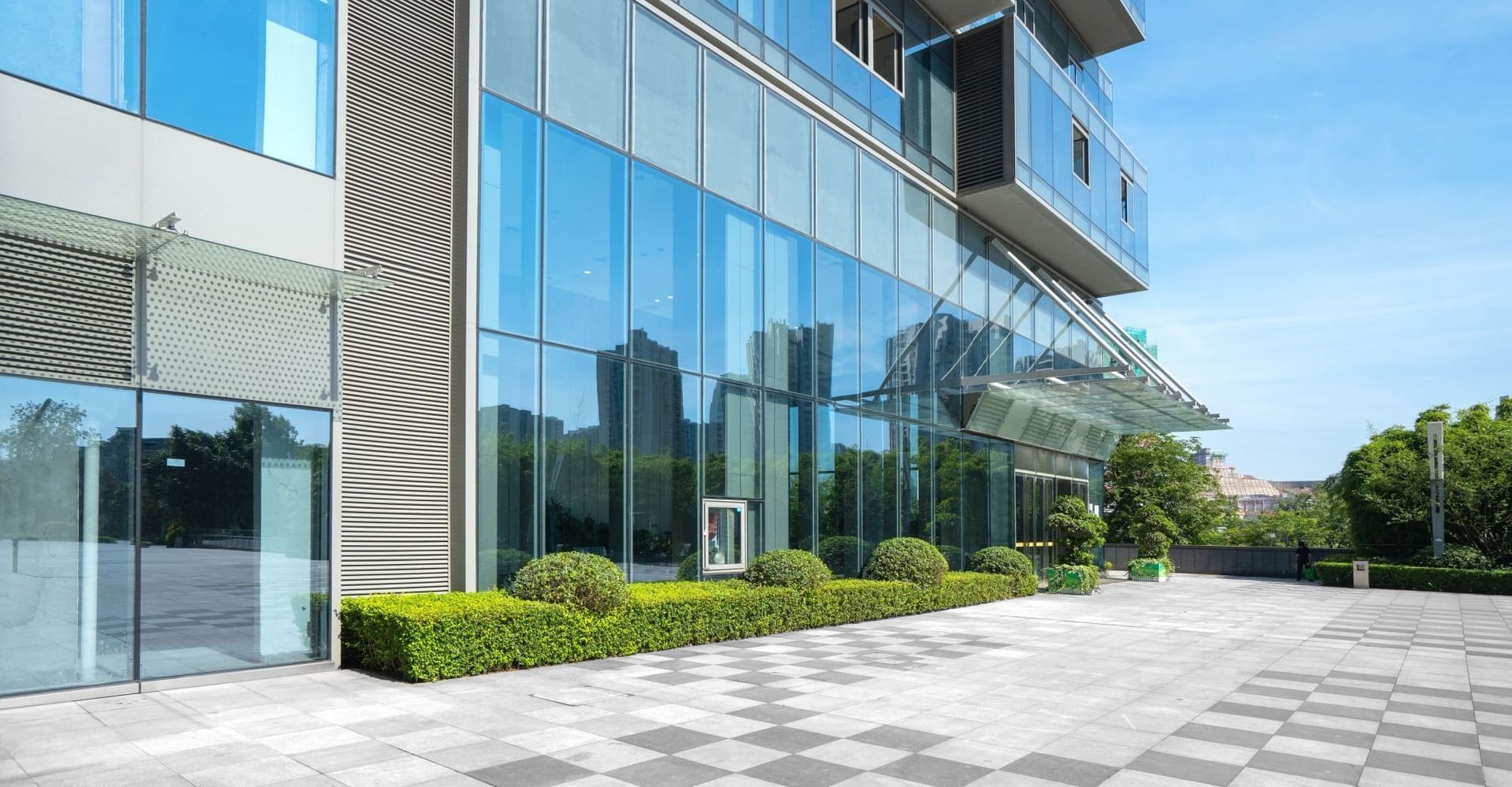
Auto tint tends to get the most attention, but the same heat-rejecting ceramic technology applies to residential and commercial windows throughout Mount Laurel and South Jersey. Homeowners use it to keep sunrooms, living rooms, and second-floor bedrooms from turning into heat traps in the afternoon, while cutting glare on TVs and screens. Commercial property owners use it to lower cooling costs across large storefront or office windows and to keep tenants and customers more comfortable — all without changing the appearance of the building or blocking the view. Marine tint for boats serves a similar purpose, cutting glare and heat on the water while protecting the interior from UV damage.
Choosing the Right Window Tint Installer in Mount Laurel and South Jersey
Film quality matters, but installation quality determines whether that film performs the way it's supposed to for years. When comparing installers in Burlington County, Camden County, or elsewhere in South Jersey, look for:
- Manufacturer credentials. A LLumar SelectPro Dealer designation means the shop meets manufacturer standards for training and installation quality — not just anyone can carry that title.
- Warranty backing. A film that's guaranteed against bubbling, cracking, and color change for as long as you own the vehicle (or property) tells you the installer stands behind their work.
- Product transparency. A trustworthy shop will explain the difference between dyed, metalized, and ceramic film honestly, rather than upselling based on darkness alone.
- Local reputation. Look for a shop with a track record across South Jersey's specific mix of vehicles, homes, and commercial buildings — not a national franchise with no regional presence.
The Window Tinters, based in Mount Laurel Township, is a LLumar SelectPro Dealer offering the exclusive FormulaOne High Performance Auto Tint line, along with residential, commercial, and marine window tinting, Paint Protection Film, Ceramic Coating, and ExoShield windshield protection. Their ceramic tint installations are backed by a lifetime warranty against bubbling, cracking, and color change, giving Mount Laurel, Burlington County, and Camden County customers a heat-reduction solution that's built to last.
Frequently Asked Questions About Heat-Reducing Window Tint in NJ
What is the best window tint for blocking heat in New Jersey?
Ceramic window film is widely considered the best option for heat reduction. It rejects a much higher percentage of infrared heat than dyed or metalized film, without the signal interference or heavy reflectivity that comes with older technologies.
Does darker tint mean better heat reduction?
Not necessarily. Heat rejection depends on the film's technology, not just its darkness. A lighter ceramic film can outperform a very dark dyed film for heat and UV protection while still complying with NJ's legal VLT limits.
How much heat does ceramic tint block compared to regular tint?
Ceramic tint blocks significantly more infrared heat than dyed film and generally outperforms metalized film as well, while also filtering out up to 99% of UV rays — a level standard dyed tint typically can't match.
Is ceramic tint legal in New Jersey?
Yes, as long as the installed VLT meets NJ's legal limits for your specific window and vehicle type. A professional installer will confirm the correct legal VLT before installation.
How long does heat-reducing window tint last?
High-quality ceramic film installed by a trained professional can last the lifetime of the vehicle or property when properly cared for, and is typically backed by a warranty against bubbling, cracking, or fading.
Can window tint really lower my AC or energy costs?
Yes. By blocking a large share of infrared heat before it enters your car or building, ceramic tint reduces the workload on air conditioning systems, which can translate into lower fuel or energy costs over time.
Does window tint work on home and commercial windows too, not just cars?
Yes. The same ceramic heat-rejection technology used in automotive tint is available for residential and commercial glass, helping reduce indoor heat, glare, and UV-related fading in homes, offices, and storefronts throughout South Jersey.
Ready to Beat the NJ Heat?
If summer drives through Mount Laurel, Marlton, Cherry Hill, or anywhere else in Burlington or Camden County have you reaching for the AC the second you sit down, ceramic window tint is one of the most effective upgrades you can make — for your car, your home, or your business. The Window Tinters' team of LLumar SelectPro-certified installers can walk you through the right film and VLT for your vehicle or property, confirm it meets NJ's legal requirements, and back the install with a lifetime warranty.
Call The Window Tinters at (856) 210-8487 or stop by their Mount Laurel shop at 520 Fellowship Rd, Unit B-204, to request a free estimate and start staying cooler this season.