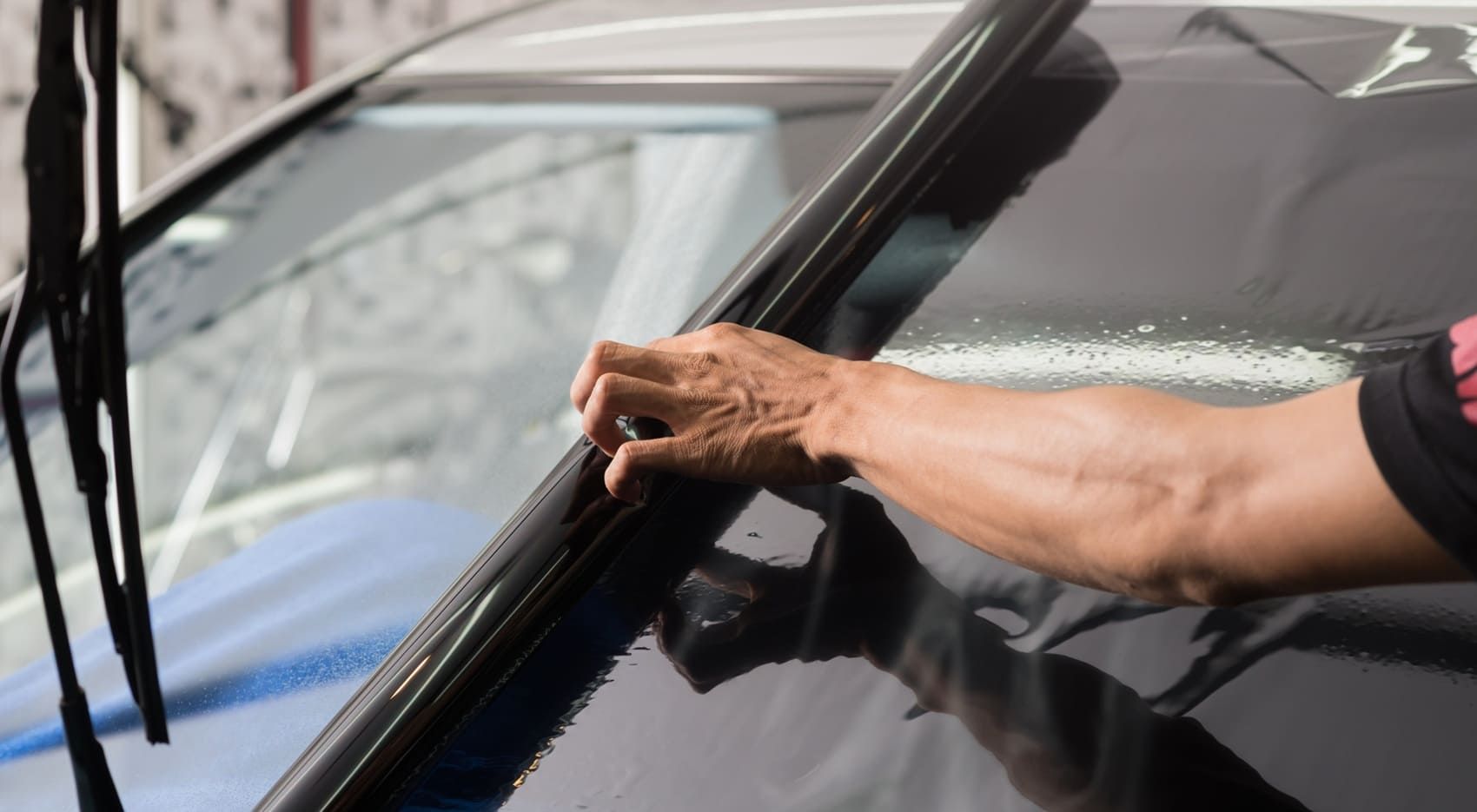
What Is Security Window Film and How Does It Work? A Guide for Mount Laurel Homes and Businesses
Security window film is a clear, thick, multi-layer polyester film that bonds to the inside or outside of glass with a strong adhesive. When the glass is struck, the film holds the broken pieces together and keeps the pane in its frame. That slows intruders, reduces injuries from flying glass, and helps windows hold up during storms and accidents. It does not make glass unbreakable. What it does is buy time and reduce danger.
Homeowners and business owners in Mount Laurel, Burlington County, Camden County, and across South Jersey often look into security film after a break-in nearby, a storm, or a near-miss with a stray baseball. If that's you, this guide explains what the film is made of, how it works, which type fits your property, and what to realistically expect from it.
What Is Security Window Film?
Security window film is a retrofit glass protection product. It is applied directly to existing windows, storefronts, and glass doors, so the glass doesn't need to be replaced. It is made from layers of optically clear polyester laminated together. Standard window tint is relatively thin. Security film is much thicker, often several times the thickness of a typical tint film.
Because it is clear, most people can't tell it's there. That matters for homeowners who don't want their house to look like a fortress, and for businesses that want an open, welcoming storefront without bars or roll-down gates.
At The Window Tinters, we install LLumar Vista safety and security films. LLumar is one of the most recognized window film manufacturers in the world, and its films are built to strict performance standards.
How Does Security Window Film Work?
Security film works through three things together: a tough laminated film, a strong adhesive bond, and, where needed, a mechanical connection to the window frame.
Layered Polyester Absorbs and Spreads Impact
Each layer of polyester adds tear resistance and puncture strength. When something hits the glass, such as a hammer, a brick, or wind-driven debris, the film stretches and spreads the force across a wider area instead of letting it punch straight through.
Aggressive Adhesive Grips the Glass Fragments
The adhesive in security film is much stronger than the adhesive in standard tint. When the glass cracks, the shards stay stuck to the film instead of falling or flying into the room. The window may spiderweb, but it stays largely in one piece.
Attachment Systems Anchor the Film to the Frame
On its own, filmed glass can sometimes be pushed out of the frame as a single sheet. For higher-security or storm-prone applications, an attachment system can be added. This is typically a structural silicone bead or a mechanical strip that ties the film to the window frame, so the glass, film, and frame work as one unit. Your installer can tell you whether your openings would benefit from one.
Why Unprotected Glass Is the Weak Point in Most Homes and Businesses
Doors have deadbolts and walls are solid, but ordinary glass can be broken in seconds. That's why windows and glass doors are such common entry points in burglaries, and why "smash-and-grab" thefts target retail storefronts.
Unprotected glass creates three problems:
- Fast, easy entry. One strike can open a hole big enough to reach through or climb through.
- Injury from flying glass. Accidents, severe weather, and break-ins can send sharp shards across a room. This is especially concerning in homes with kids or businesses with foot traffic.
- Costly damage and downtime. For a business, a broken storefront means boarding up, cleanup, lost sales, and replacement costs.
South Jersey also gets nor'easters, summer thunderstorms, and the occasional tropical system working its way up the coast. Wind-borne debris can turn a weak window into a hazard. Security film doesn't change the weather, but it can keep a broken pane from becoming a shower of glass.
Safety Film vs. Security Film: What's the Difference?
People often use the two terms interchangeably, but they have different jobs. The main difference is thickness and purpose.
| Feature | Safety Window Film | Security Window Film |
|---|---|---|
| Primary goal | Hold glass together to reduce injury | Delay forced entry and resist repeated impact |
| Typical thickness | Thinner gauge | Thicker, multi-ply gauge |
| Best for | Accidents, storms, kids' rooms, glass doors | Burglary deterrence, storefronts, ground-floor windows |
| Attachment system | Usually not required | Often recommended for maximum performance |
| Visibility | Virtually invisible | Virtually invisible |
In short: safety film is about protecting people from broken glass, and security film is about keeping people out. Many LLumar Vista products do some of both, which is why they're grouped as "safety and security" films.
Types of Security Window Film for South Jersey Properties
LLumar Vista offers several kinds of safety and security film, each made for a different situation.
Clear Safety and Security Film
This is the most popular choice for homes and businesses that want protection without changing how their windows look. It's optically clear, so your views and natural light stay the same. It's also a discreet alternative to window bars, which can make a property feel uninviting and advertise security concerns.
Solar Safety and Security Film
This hybrid adds solar control to shatter resistance. You get impact protection plus reduced heat, glare, and UV exposure. That's a strong fit for sun-facing living rooms, offices, and storefronts where both comfort and security matter.
Exterior Safety and Security Film
Some buildings don't have easy access to the inside of their glass, such as certain commercial facades or fixed panels. Exterior films are built for outdoor installation and have a scratch-resistant topcoat that holds up to weather.
Anti-Graffiti Film
This is a sacrificial clear layer for glass and other smooth surfaces such as stainless steel. If vandals scratch or tag it, the film is peeled away along with the damage and replaced. That's far cheaper than replacing etched glass.
| Film Type | Main Benefit | Ideal Property | Changes Appearance? |
|---|---|---|---|
| Clear Safety and Security | Impact and shatter resistance | Homes, offices, glass doors | No |
| Solar Safety and Security | Security plus heat, glare, and UV control | Sunny rooms, storefronts | Slight tint or reflectivity |
| Exterior Safety and Security | Protection where interior access is limited | Commercial buildings | Minimal |
| Anti-Graffiti | Protects glass from tagging and etching | Retail, transit-facing businesses | No |
Who Benefits Most From Security Film in Mount Laurel and South Jersey?
Security film works for almost any property with glass, but it adds the most value for:
- Homeowners with ground-floor windows, sliding patio doors, sidelights next to the front door, or basement windows hidden from the street.
- Families who want shatter protection on glass doors and large windows where kids and pets play.
- Retail stores and restaurants along busy corridors such as Route 38, Route 73, and Fellowship Road, where storefront glass is exposed.
- Offices, medical practices, and schools that want a safer environment for employees, patients, and visitors.
- Property managers in Burlington and Camden Counties looking for a cost-effective upgrade that protects tenants and assets.
How Security Window Film Is Installed
A professional installation makes a big difference in how well security film performs. Here's what the process looks like with The Window Tinters.
Free On-Site Consultation and Estimate
We look at your windows, glass type, frame condition, and goals, whether those are burglary deterrence, storm protection, heat control, or all three. Then we recommend the right LLumar Vista film and whether an attachment system makes sense.
Glass Compatibility Check
Not every film suits every pane. Dual-pane, low-E, and tempered glass each behave differently under sun and heat. We match the film to your glass to avoid thermal stress and to protect any applicable window warranty.
Detailed Glass Preparation
The glass is thoroughly cleaned and the edges detailed so the adhesive bonds cleanly. Dust or debris trapped under the film weakens adhesion and shows up as flaws.
Precision Film Application
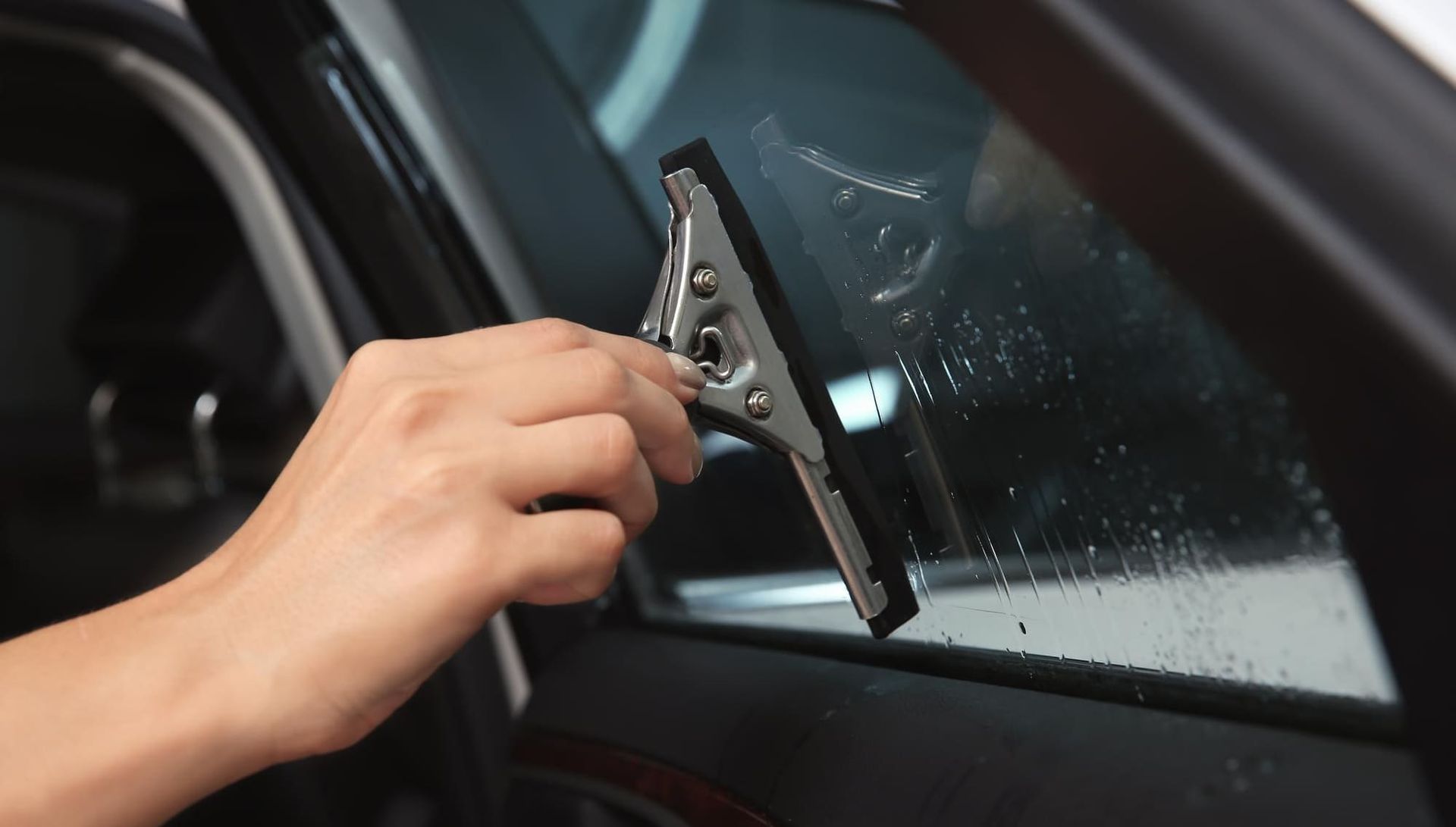
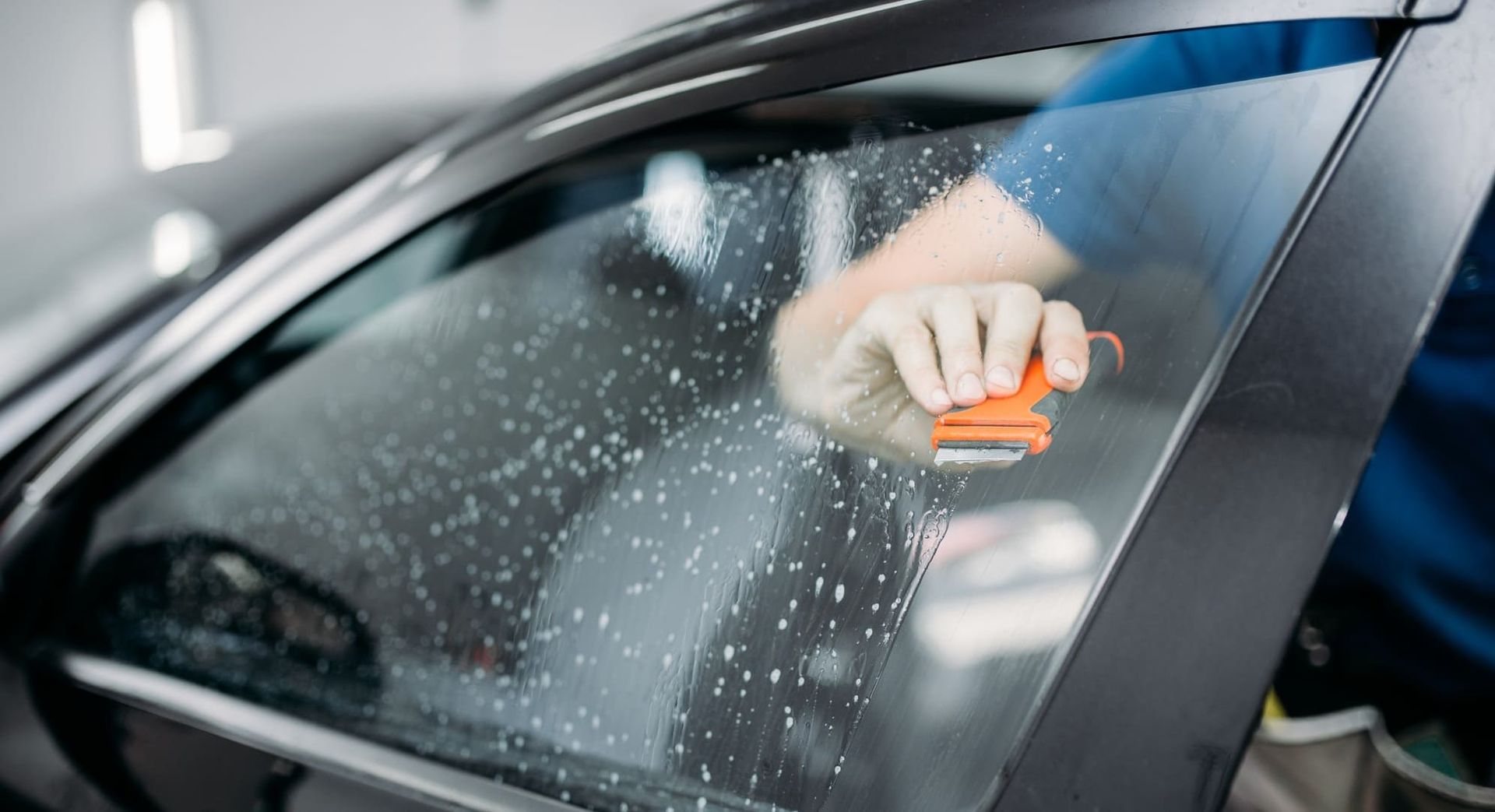
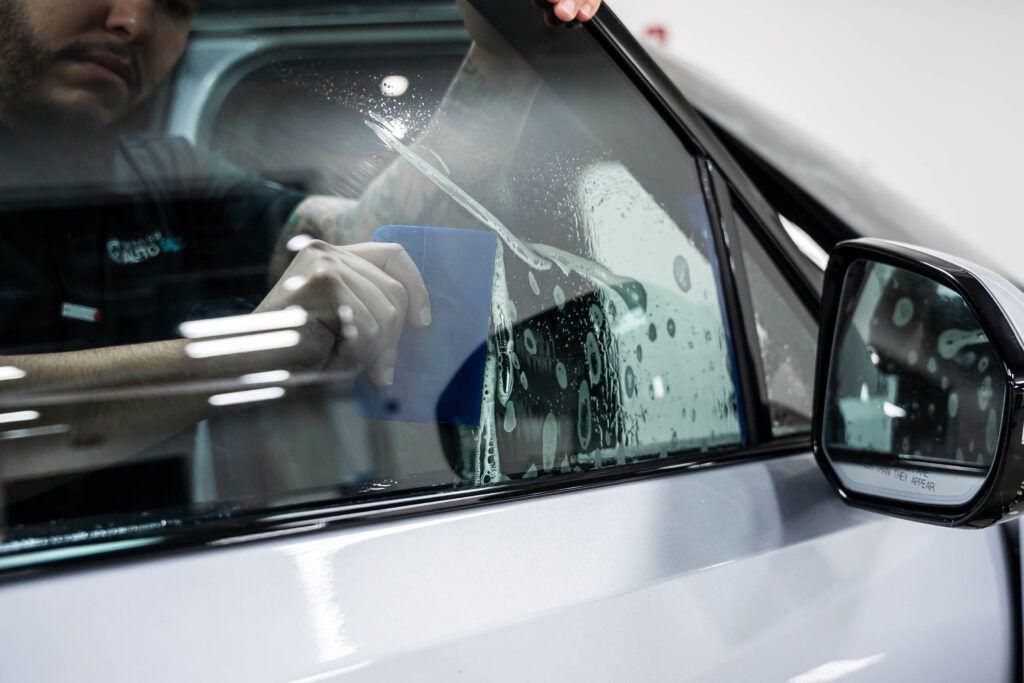
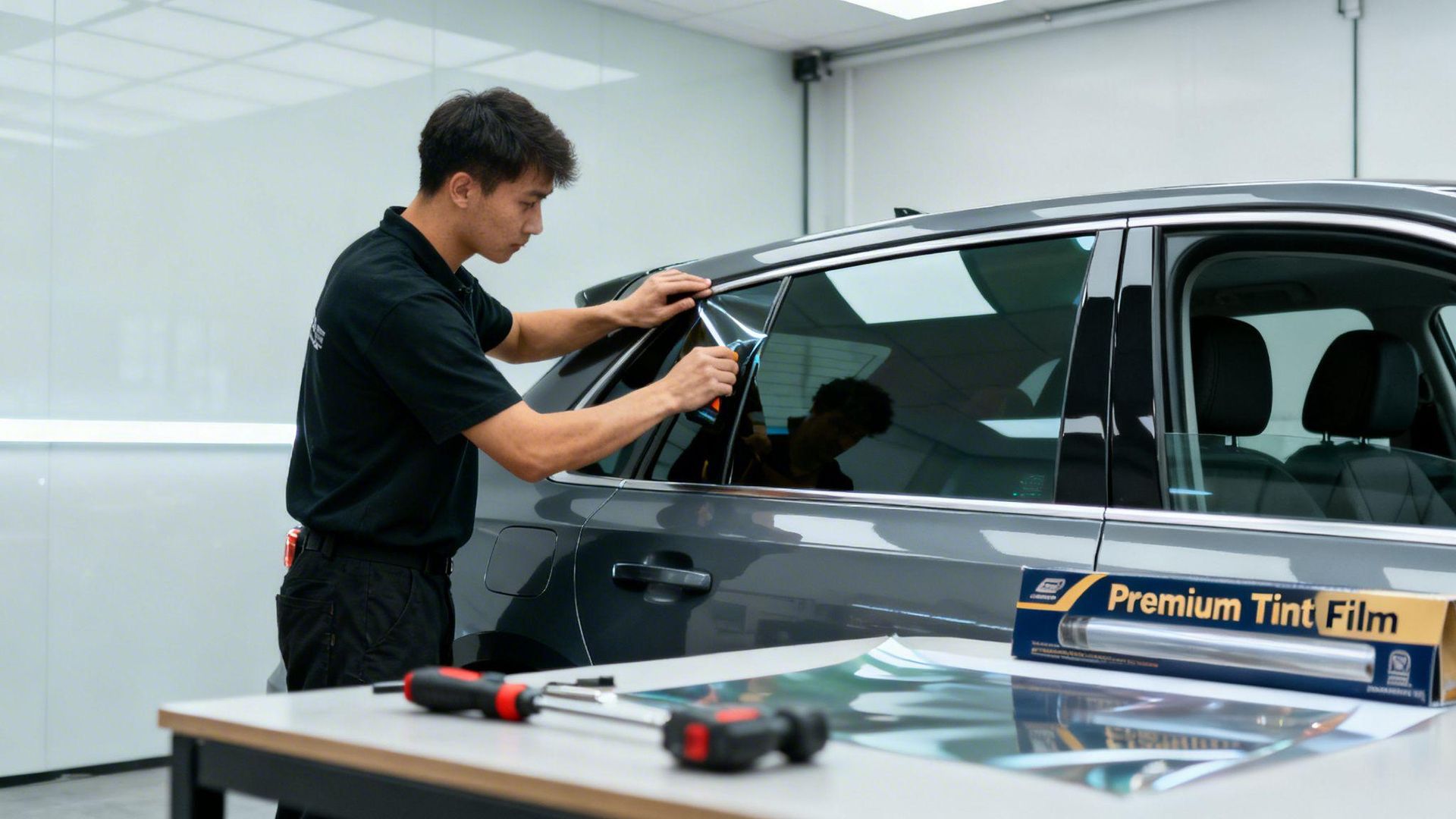
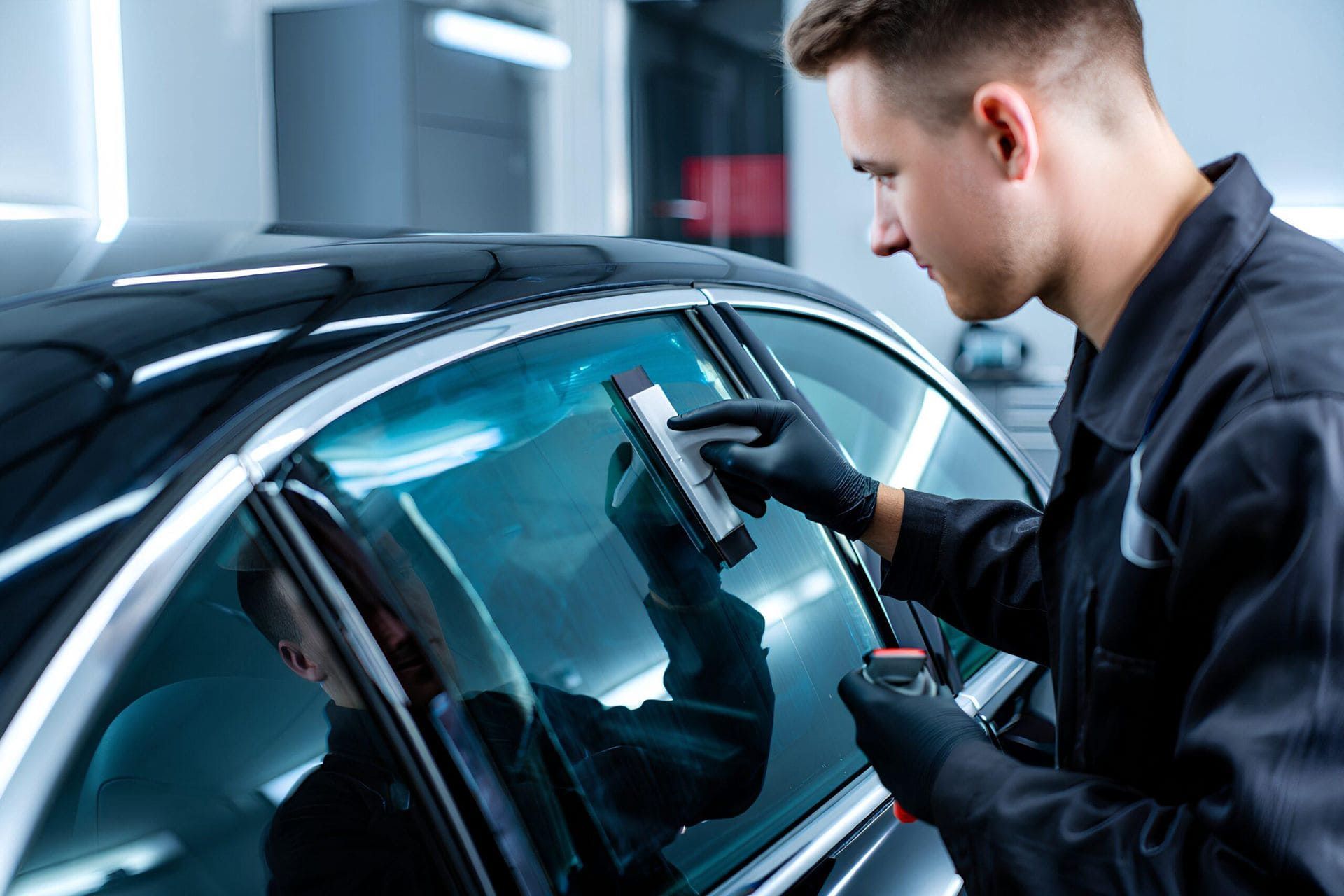
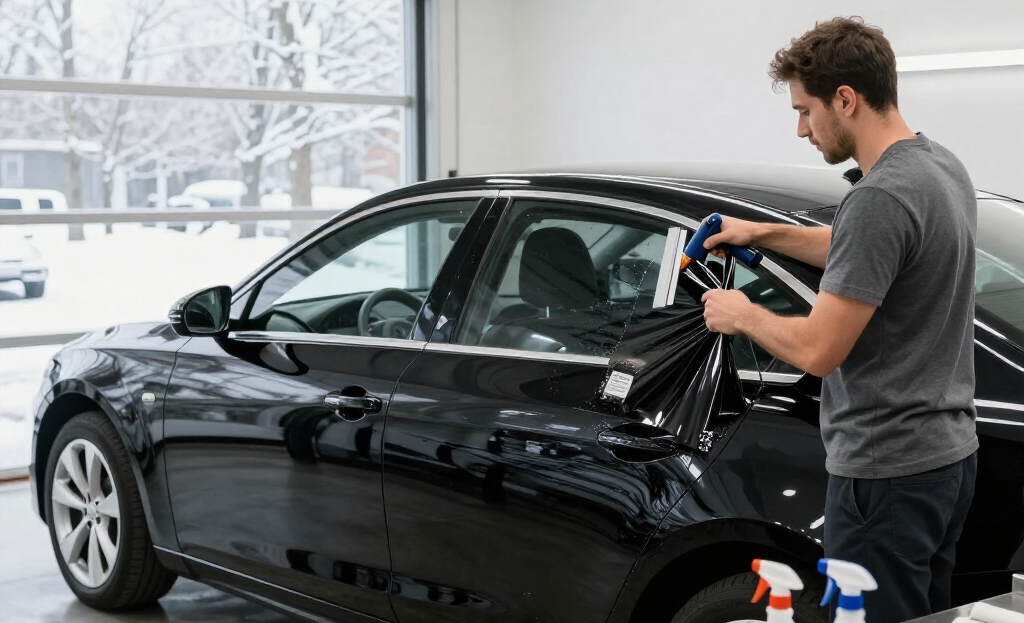
The film is cut to fit, applied with a slip solution, and squeegeed firmly to push out water and air. Thicker security films take more skill to handle than standard tint, which is why trained installers matter.
Attachment and Curing
If an attachment system is part of the job, it's applied around the perimeter. The film then cures over the following days to weeks, depending on the weather. Light haze or small water pockets during curing are normal and clear up on their own.
What Security Film Can and Can't Do
Being honest about limitations helps you make the right decision.
Security film
can:
- Delay a break-in long enough that many intruders give up, and draw attention to the attempt
- Hold broken glass together and reduce flying shards
- Help windows hold up better against storms and accidental impacts
- Block most UV rays to help reduce fading of floors and furnishings
- Add heat and glare control (solar security films)
Security film
cannot:
- Make glass bulletproof or truly unbreakable
- Stop a determined intruder indefinitely
- Replace locks, alarms, cameras, or good lighting
The best results come from treating security film as one layer in a broader security plan, not as a standalone solution.
Frequently Asked Questions About Security Window Film
Does security window film stop burglars?
Security window film slows burglars down rather than stopping them completely. A filmed window may take repeated blows to get through instead of one. That delay, plus the noise, discourages many opportunistic intruders and gives alarms and neighbors time to respond.
Can you see security film on windows?
Clear security film is virtually invisible once installed. Most visitors won't notice it at all. Solar security films add a light tint or slight reflectivity, which you can choose based on how much heat and glare control you want.
How thick is security window film?
Security window film is significantly thicker than standard window tint. It's commonly measured in mils (thousandths of an inch), and security grades are made of multiple laminated plies. Thicker films offer more impact resistance, and your installer will match the thickness to your risk level and glass type.
Does security film also block UV rays and heat?
Yes, most quality security films block nearly all UV rays, which helps protect furniture, flooring, and merchandise from fading. For heat and glare reduction as well, choose a solar safety and security film that combines both functions.
How long does security window film last?
Professionally installed interior security film typically lasts many years. Exterior films face harsher conditions and may need replacement sooner. LLumar films are backed by manufacturer warranties, and your installer can explain the coverage for your specific product.
Is security film the same as window tint?
No. Window tint is designed mainly for heat, glare, privacy, and style. Security film is designed for strength and shatter resistance. Some products combine both, but a standard tint film won't give you meaningful break-in protection.
Can security film be installed on my existing windows?
Yes, in most cases. That's one of security film's biggest advantages: it upgrades the glass you already have without replacing windows. A pre-installation compatibility check makes sure the film suits your glass type and frames.
Protect Your Glass With The Window Tinters in Mount Laurel
Security window film is one of the simplest ways to make your home or business safer without changing how it looks. It reinforces your weakest entry points, reduces the danger of broken glass, and can even cut heat and UV exposure. All of this goes onto the windows you already have.
The Window Tinters is a LLumar SelectPro Dealer serving Mount Laurel, Burlington County, Camden County, and all of South Jersey. We install premium LLumar Vista safety and security films, backed by LLumar's manufacturer warranty and installed by professionally trained technicians who take pride in their work. Our 5-star reputation comes from careful installations, honest recommendations, and a commitment to making sure every customer is completely satisfied.
Ready to strengthen your windows? Call The Window Tinters at (856) 812-0607, visit our shop at 520 Fellowship Rd Unit B-204, Mt Laurel Township, NJ 08054, or request your free residential or commercial estimate online today. We're open Monday through Friday, 9am to 5pm, and Saturday, 9am to 3pm.