Is Ceramic Window Tint Worth It for NJ Drivers?
New Jersey drivers deal with real weather swings, and those seasonal extremes put vehicle window film to the test. In South Jersey, humid summer heat can make a parked car feel unbearable, while winter cold and low sun glare create a different kind of driving discomfort. That is why many car owners want more than a darker look. They want window film that helps control cabin heat, blocks harmful UV rays, reduces glare, and holds up over time. The challenge is that not all tint films perform the same in heat rejection, clarity, or durability. For many local drivers asking, is ceramic tint worth it, the answer is often yes, but it depends on budget, daily driving habits, desired comfort, and NJ window tint laws. For drivers in Mount Laurel Township and across Burlington County and Camden County, ceramic window tint NJ options can offer strong long-term value when chosen and installed correctly.
Table of Contents
- What Ceramic Window Tint Is and How It's Made Differently from Dyed Film
- How Ceramic Tint Performs in New Jersey's Hot Summers and Cold Winters
- Heat Rejection, UV Protection, and Interior Fade Prevention: What Ceramic Tint Actually Delivers
- Ceramic Tint vs Dyed Tint vs Metalized Tint: Which Is Right for Your Vehicle
- Cost of Ceramic Tint in NJ and Whether the Investment Pays Off Long Term
- New Jersey Auto Tint Laws and What Percentages Are Legal
- How Long Ceramic Tint Lasts and Why the Lifetime Warranty Matters
- FAQ
- Conclusion and Free Estimate
What Ceramic Window Tint Is and How It's Made Differently from Dyed Film
Ceramic window tint is a premium automotive film made with non-metallic, non-conductive ceramic particles engineered into the film layer. In simple terms, it is designed to manage heat and solar energy better than basic dyed film while maintaining clear visibility. For drivers researching the best window tint for heat, ceramic film is usually the benchmark product category.
How ceramic film is built
Unlike dyed film, which relies heavily on dark pigments to absorb light and create a tinted appearance, ceramic film uses advanced particle technology to improve performance without depending only on darkness. That matters because a film can look dark but still underperform in heat rejection and long-term color stability.
Why dyed tint is different
Dyed tint is generally the entry-level option. It can improve appearance, reduce some glare, and offer modest privacy, but it usually does not deliver the same level of solar performance or long-term durability as ceramic film. Dyed products are more likely to fade over time, and lower-quality film can eventually take on a purple tone or show visible wear.
Why NJ drivers ask about ceramic first
When people search ceramic tint vs dyed tint, they are often comparing value, not just price. Ceramic film is popular because it offers a combination of comfort, clarity, and durability that fits many South Jersey driving conditions. For car owners in window tinting Mount Laurel service areas, it is often the preferred upgrade when the goal is comfort and longevity, not just style.
How Ceramic Tint Performs in New Jersey's Hot Summers and Cold Winters
Ceramic tint performs well in New Jersey because it addresses year-round driving discomfort. In summer, it helps reduce the amount of solar heat entering the cabin. In winter, it still provides glare control, UV protection, and a more balanced interior environment even when outside temperatures drop.
Summer performance in South Jersey
Hot, humid days across Mount Laurel Township, Burlington County, and Camden County can make a vehicle heat up quickly. Ceramic film helps by rejecting a greater share of heat-producing solar energy than standard dyed film. The result is a cabin that feels more manageable after parking and less strain on the air conditioning system during daily driving.
Winter benefits are still important
Many drivers only think about tint in July, but ceramic tint remains useful during colder months. Low winter sun can create harsh glare during morning and evening commutes, and tint can make visibility more comfortable. UV exposure also continues year-round, which means skin and interior surfaces still benefit from quality film in winter.
Performance that matches real vehicle use
If you commute daily, transport kids, drive for work, or spend long hours in traffic, ceramic window tint NJ drivers choose often makes the most sense because the comfort difference adds up over time. It is especially appealing for SUVs, trucks, luxury vehicles, and any car where cabin comfort and interior preservation matter.
Heat Rejection, UV Protection, and Interior Fade Prevention: What Ceramic Tint Actually Delivers
If you want a direct answer, ceramic tint is worth considering because it typically offers stronger heat management, high UV protection, and better long-term resistance to fading than basic film types. That is the practical reason it is often recommended as the best window tint for heat.
Heat rejection and cabin comfort
Heat rejection refers to how well a film helps reduce solar energy entering the vehicle. High-performance ceramic film can noticeably improve comfort on sunny days, especially on side and rear glass where solar exposure is intense. Drivers often notice seats, steering wheels, and interior air feel less overheated after parking.
UV protection for skin and interior materials
Quality ceramic films are designed to block a high percentage of harmful UV rays. This matters for both occupants and interior surfaces. Over time, UV exposure contributes to fading, cracking, and drying in dashboards, leather, vinyl, and trim. Better UV protection can help preserve the appearance and condition of a vehicle's interior.
Glare reduction and clear visibility
Good tint should reduce glare without creating hazy or distorted visibility. Premium products from brands such as FormulaOne and LLumar are popular because drivers want strong glare control with a clean view out of the glass. For people who drive at sunrise, sunset, or on long highway commutes, that difference can be meaningful.
| Film Type | Heat Rejection Percentage | UV Protection Level | Signal Interference | Optical Clarity and Glare Reduction | Resistance to Fading, Bubbling, and Purple Discoloration | Average Cost Per Vehicle | Warranty Coverage and Expected Lifespan |
|---|---|---|---|---|---|---|---|
| Ceramic Window Tint | High, commonly the strongest overall category | High | None to minimal | Excellent clarity with strong glare reduction | Strong long-term resistance | High | Often lifetime warranty; long service life with professional installation |
| Dyed Window Tint | Low to moderate | Moderate to high, depending on product | None | Good appearance, moderate glare reduction | Lower resistance over time | Low to mid | Shorter lifespan; warranty varies widely |
| Metalized Window Tint | Moderate to high | Moderate to high | Possible interference with GPS, phone, or radio signals | Good glare reduction, sometimes more reflective appearance | Generally durable, but product quality varies | Mid | Moderate to long lifespan; warranty depends on brand |
Ceramic Tint vs Dyed Tint vs Metalized Tint: Which Is Right for Your Vehicle
The right film depends on what you care about most. If your top priority is lower upfront cost, dyed film may be enough. If your priority is long-term comfort, clear visibility, and premium performance, ceramic tint is usually the better fit. Metalized film sits in the middle but comes with tradeoffs.
When dyed tint makes sense
Dyed film may work for drivers who mainly want a darker look and some basic glare control. It can be a budget-friendly option for older vehicles or short-term ownership. The tradeoff is that it usually provides less heat management and less long-term color stability than ceramic film.
When metalized tint fits
Metalized film can improve strength and heat performance compared with entry-level dyed products. However, some drivers avoid it because metallic content may interfere with electronics or signals. For modern vehicles that rely heavily on phone connectivity, navigation, and in-car tech, that can be a drawback.
Why many South Jersey drivers choose ceramic
Ceramic tint is often the best all-around choice for newer vehicles, daily commuters, families, and enthusiasts who want a clean look with high performance. It answers the common search intent behind is ceramic tint worth it by offering a balance of comfort, durability, and resale-friendly appearance. When installed by an experienced shop such as The Window Tinters using FormulaOne and LLumar products, ceramic film is positioned as a long-term upgrade rather than a cosmetic add-on.
| FormulaOne Series | Heat Rejection | Glare Reduction | Price Point | Ideal Buyer | Long-Term Value |
|---|---|---|---|---|---|
| Stratos Series | Premium heat rejection | Strong glare reduction with high visual clarity | Premium | Drivers who want top-tier ceramic performance and maximum comfort | Excellent for long-term ownership and high daily use |
| Pinnacle Series | High heat rejection | Very good glare reduction and clear visibility | Upper mid to premium | Drivers who want premium ceramic value without going to the top tier | Strong long-term return for most commuters and families |
| Classic Series Dyed Film | Basic to moderate heat rejection | Good basic glare reduction | Entry to mid | Budget-focused drivers mainly seeking appearance and basic comfort | Lower long-term value than ceramic for heavy daily driving |
Cost of Ceramic Tint in NJ and Whether the Investment Pays Off Long Term
Ceramic tint costs more upfront than dyed film in New Jersey, but for many drivers the higher initial price is offset by better comfort, stronger durability, and fewer reasons to replace the film later. That is the clearest answer to whether ceramic tint worth it questions.
Why ceramic costs more
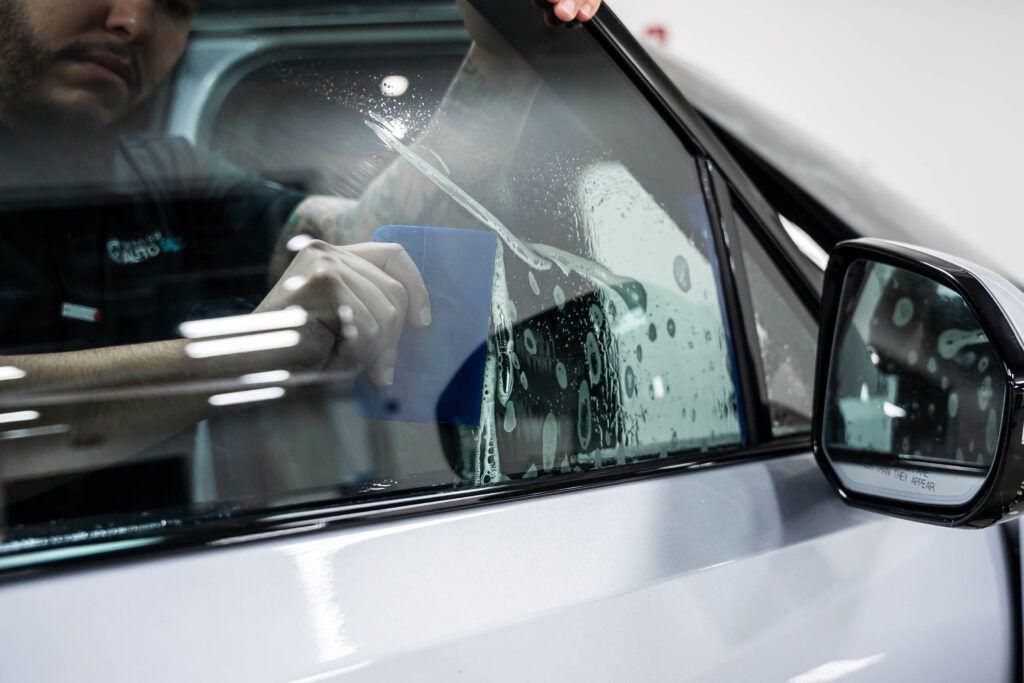
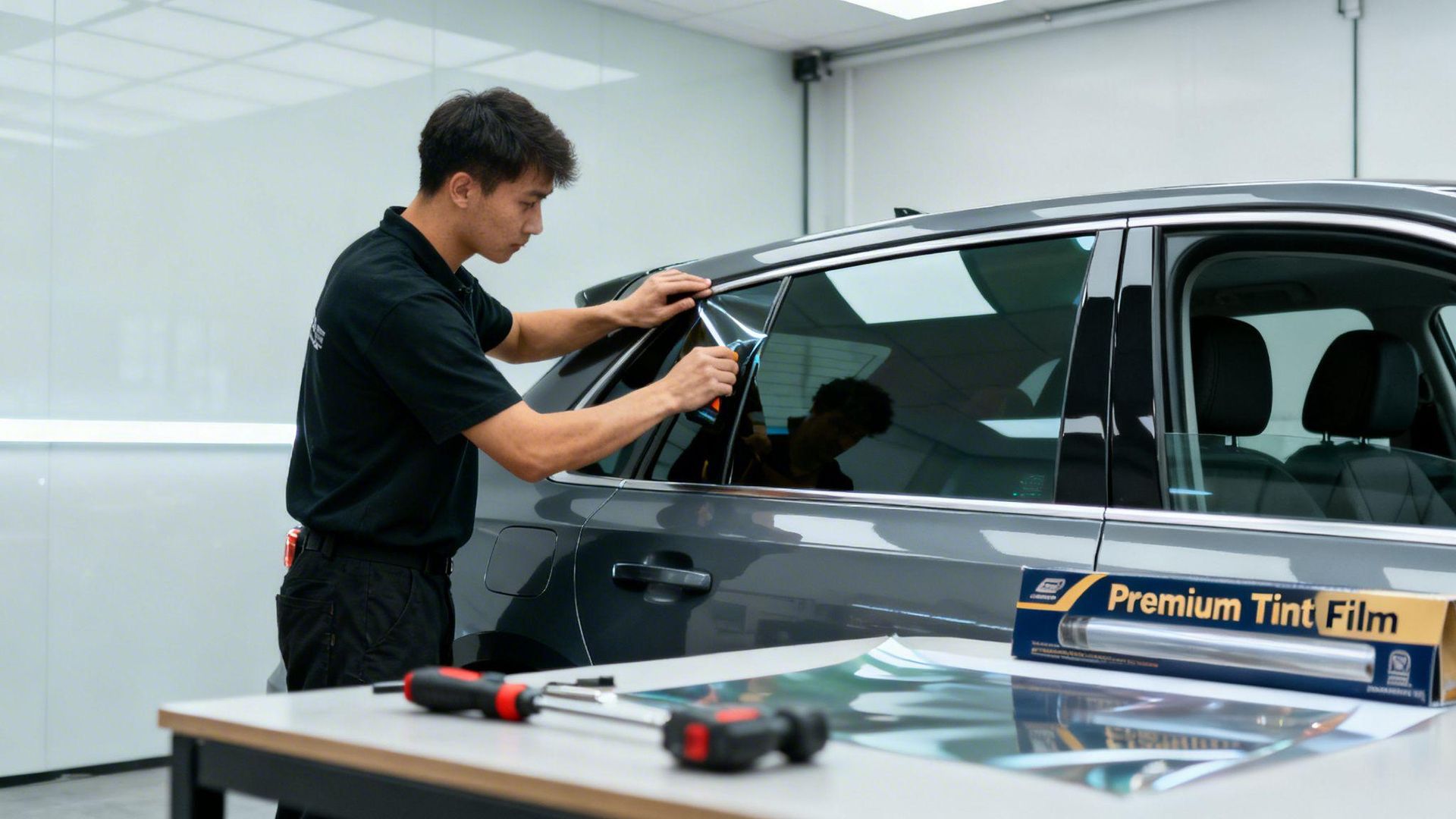
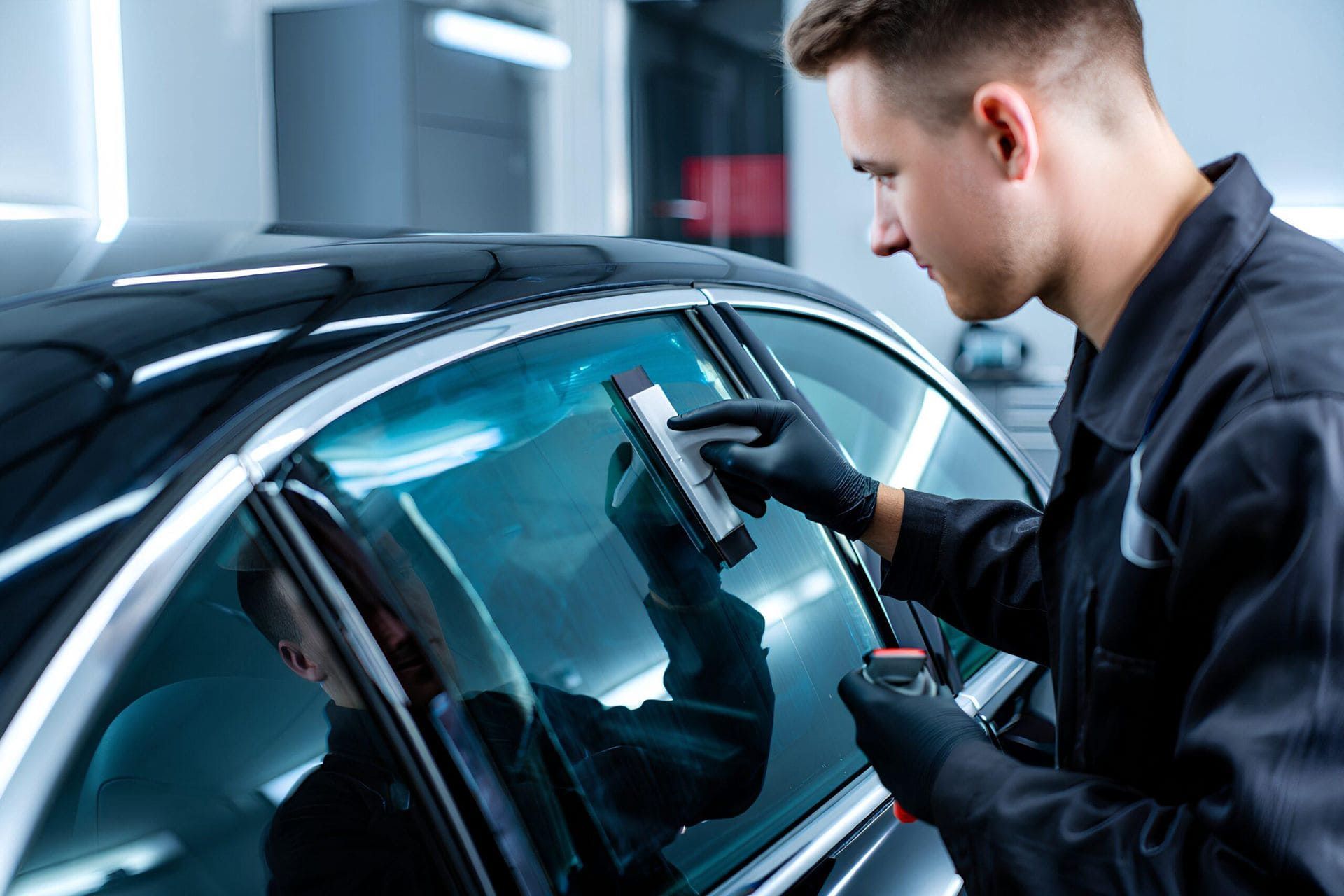
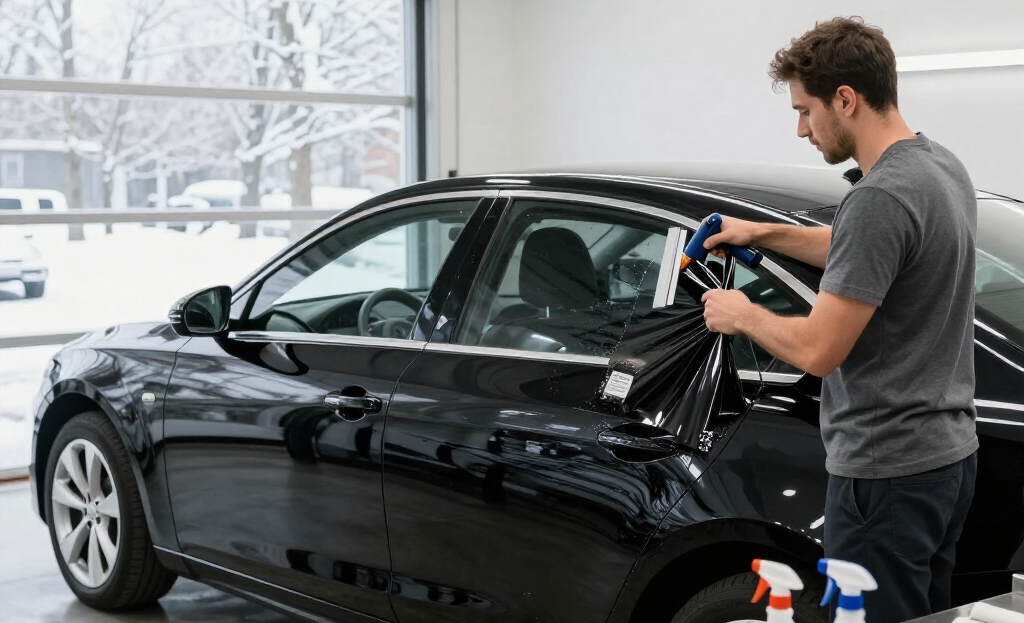
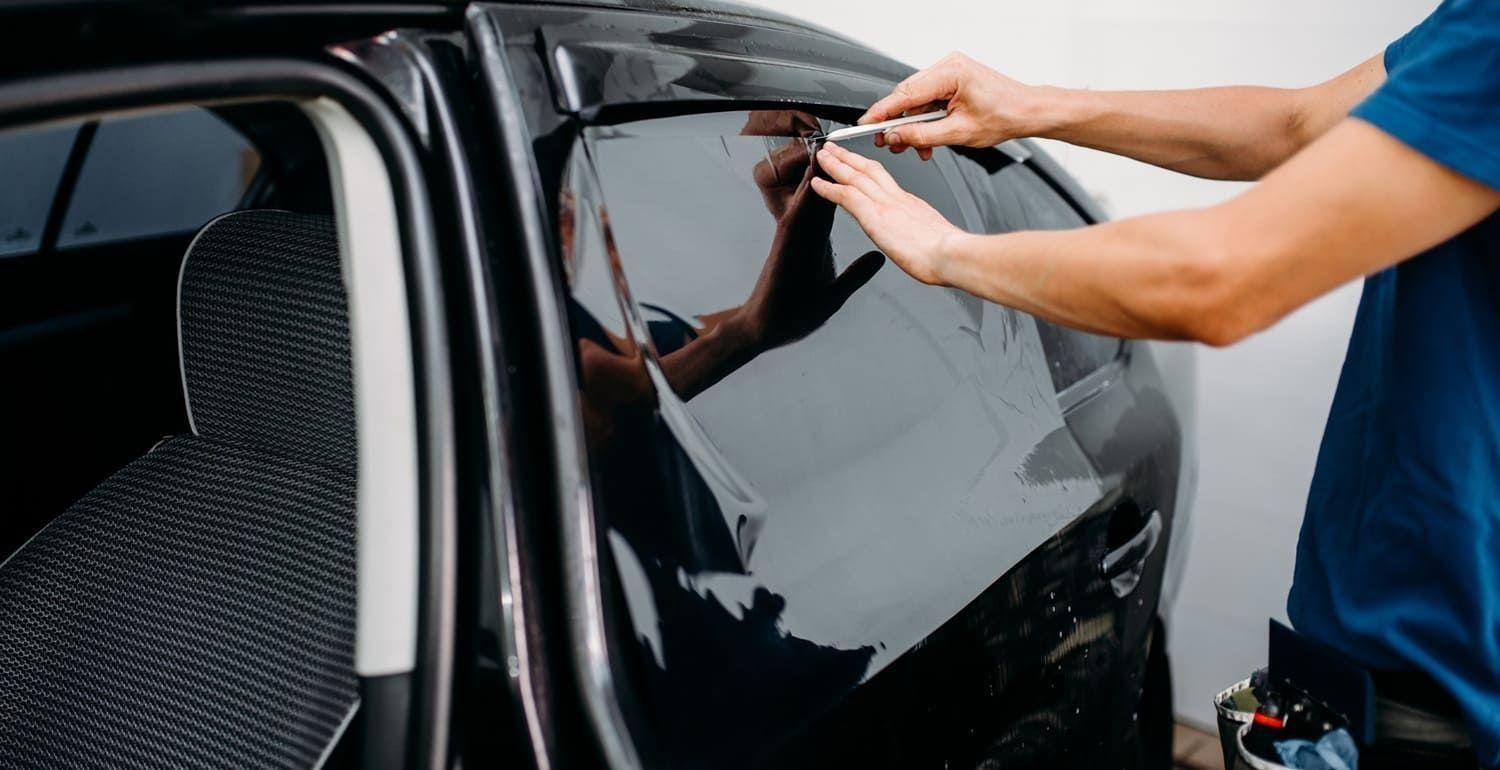
You are paying for a higher-performance film construction, stronger heat and UV management, and a more premium result. Professional installation also matters. A premium film installed badly will not deliver the value drivers expect. Skilled installation helps prevent contamination, poor edges, and premature failure.
What creates long-term value
The return is usually not measured in fuel savings alone. It comes from everyday comfort, reduced glare, less stress on interior materials, cleaner appearance over time, and avoiding the disappointment of cheaper film that fades or fails. If you keep your vehicle for years, ceramic often becomes the smarter financial choice.
Best fit by ownership style
If you lease short term or only want basic appearance improvement, dyed film may be enough. If you own a vehicle long term, commute in South Jersey traffic, carry passengers often, or care about interior preservation, ceramic film tends to make more sense. That is especially true for drivers comparing FormulaOne ceramic tint options against entry-level alternatives.
New Jersey Auto Tint Laws and What Percentages Are Legal
NJ window tint laws matter because even the best film is not worth much if the shade level creates legal problems. In New Jersey, passenger vehicles face strict rules on front-side-window tint, so legal compliance should be part of every buying decision.
General legal guidance for NJ drivers
New Jersey auto tint laws are commonly understood to prohibit aftermarket tint on the front windshield and front side windows of most passenger vehicles, aside from limited exceptions allowed by law. Tint is generally permitted on rear side windows and the rear window on many vehicles. Laws can differ based on vehicle classification and approved exemptions.
Why percentages can be confusing
Drivers often ask what percentage is legal in New Jersey because many other states use visible light transmission percentages more openly across all windows. In NJ, the bigger issue is often where tint is allowed, not just how dark it is. That is why a knowledgeable installer should explain legal placement before installation begins.
Why professional guidance matters
For drivers in Mount Laurel Township and surrounding areas, the safest approach is to discuss your vehicle type, goals, and legal concerns with a professional shop familiar with NJ window tint laws. The Window Tinters can help customers choose a film package that prioritizes performance while staying aligned with applicable New Jersey rules.
How Long Ceramic Tint Lasts and Why the Lifetime Warranty Matters
Ceramic tint is known for long-term durability, especially when compared with lower-cost dyed films. A professionally installed premium ceramic product can maintain color stability, clarity, and performance for many years. That durability is one reason it is often recommended to drivers who want real value, not just a short-term visual upgrade.
Expected lifespan of ceramic film
While exact lifespan depends on product line, installation quality, and exposure conditions, ceramic tint is generally expected to outlast basic dyed film. Better materials help reduce the risk of fading, adhesive failure, bubbling, and purple discoloration. That makes ceramic especially attractive in a climate like New Jersey, where films must handle both summer sun and winter temperature shifts.
Why lifetime warranty matters
A lifetime warranty adds confidence because it reflects the product's intended long-term performance. It also matters when comparing premium lines like FormulaOne ceramic tint to lower-end options that may have weaker coverage or a shorter service life. Warranty support does not replace good installation, but it does strengthen the value of the investment.
Why installer quality still matters
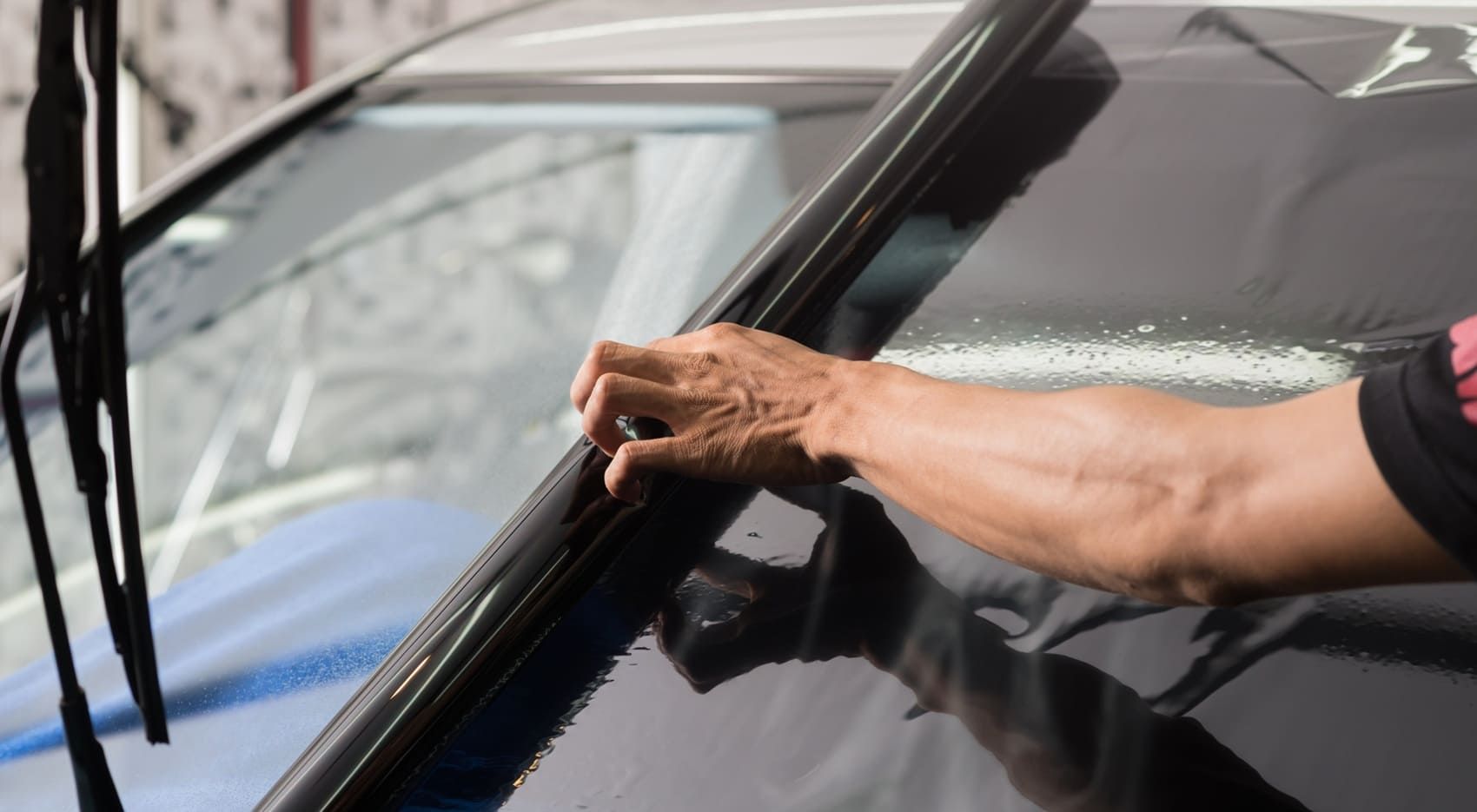
Even great film needs precise installation. Clean prep, accurate cutting, and proper curing all affect the final result. The Window Tinters uses FormulaOne and LLumar products, which naturally positions premium ceramic options as strong choices for NJ drivers who want superior heat rejection and glare reduction, clear distortion-free visibility, long-lasting color stability backed by a lifetime warranty, and strong UV protection for skin and interior surfaces.
FAQ
Does ceramic tint really block more heat than regular tint?
Yes. In most cases, ceramic film provides better heat rejection than basic dyed tint.
How much does ceramic window tint cost in New Jersey?
It usually costs more than dyed film, with final price depending on vehicle size, film line, and coverage.
What is the legal window tint percentage in New Jersey?
For many passenger vehicles, aftermarket tint on front side windows is generally not allowed, while rear windows are often treated differently.
How long does ceramic window tint last?
Quality ceramic tint can last for many years, especially with professional installation and premium materials.
Will ceramic tint bubble, fade, or turn purple over time?
Premium ceramic film is designed to resist bubbling, fading, and purple discoloration better than lower-end films.
Can ceramic tint void my car's factory warranty?
Window tint itself usually has its own product warranty, but owners should always review vehicle-specific warranty terms.
Is ceramic tint worth the extra cost over dyed film?
For many drivers, yes, because the long-term comfort, durability, and performance are better.
Does ceramic tint interfere with GPS, phone, or radio signal?
No. Ceramic film is non-metallic, so it is chosen in part to avoid the interference concerns linked to some metalized films.
Can I get a ticket for illegal tint in New Jersey?
Yes. Illegal tint can lead to enforcement issues, which is why legal guidance matters before installation.
How soon will I notice less heat inside my car after tinting?
Most drivers notice the comfort improvement quickly, especially on sunny days after the film cures.
Is FormulaOne Stratos or Pinnacle better for my vehicle?
Stratos is the more premium option, while Pinnacle is an excellent high-value ceramic choice for many daily drivers.
Does mobile tint installation affect the quality of the job?
Quality depends on conditions and installer skill, but a controlled shop environment often helps support cleaner, more consistent results.
Conclusion and Free Estimate
For South Jersey drivers, ceramic tint often outperforms dyed and metalized film where it matters most: heat control, glare reduction, UV protection, clear visibility, and long-term durability. In a climate that brings both humid summers and cold winters, the real payoff is comfort, interior protection, and value over time. If you are looking for ceramic window tint NJ drivers can rely on, The Window Tinters offers professional window tinting Mount Laurel area service using FormulaOne and LLumar products. Contact The Window Tinters for a free estimate on ceramic window tint installation in Mount Laurel Township and across greater South Jersey.