Does Home Window Tinting Really Lower Cooling Costs in NJ? What South Jersey Homeowners Should Know
Yes. Home window tinting can lower cooling costs in New Jersey, especially in homes with large, sun-facing windows. Quality solar control window film rejects a significant share of the sun's heat before it enters your living space. That means your air conditioner runs less often and works less hard on hot summer afternoons. How much you save depends on your windows' orientation, glass type, and the film you choose. Film won't replace good insulation or an efficient AC system, but it targets one of the biggest sources of summer heat gain in most homes: the glass.
If you live in Mount Laurel, Burlington County, Camden County, or elsewhere in South Jersey, you know what July and August feel like. The air is humid, the afternoons are hot, and one bedroom or living room never seems to cool down. This guide explains how window film reduces heat, what kind of savings is realistic, and how to tell whether it's worth it for your home.
Why Windows Drive Up Cooling Costs in New Jersey Homes
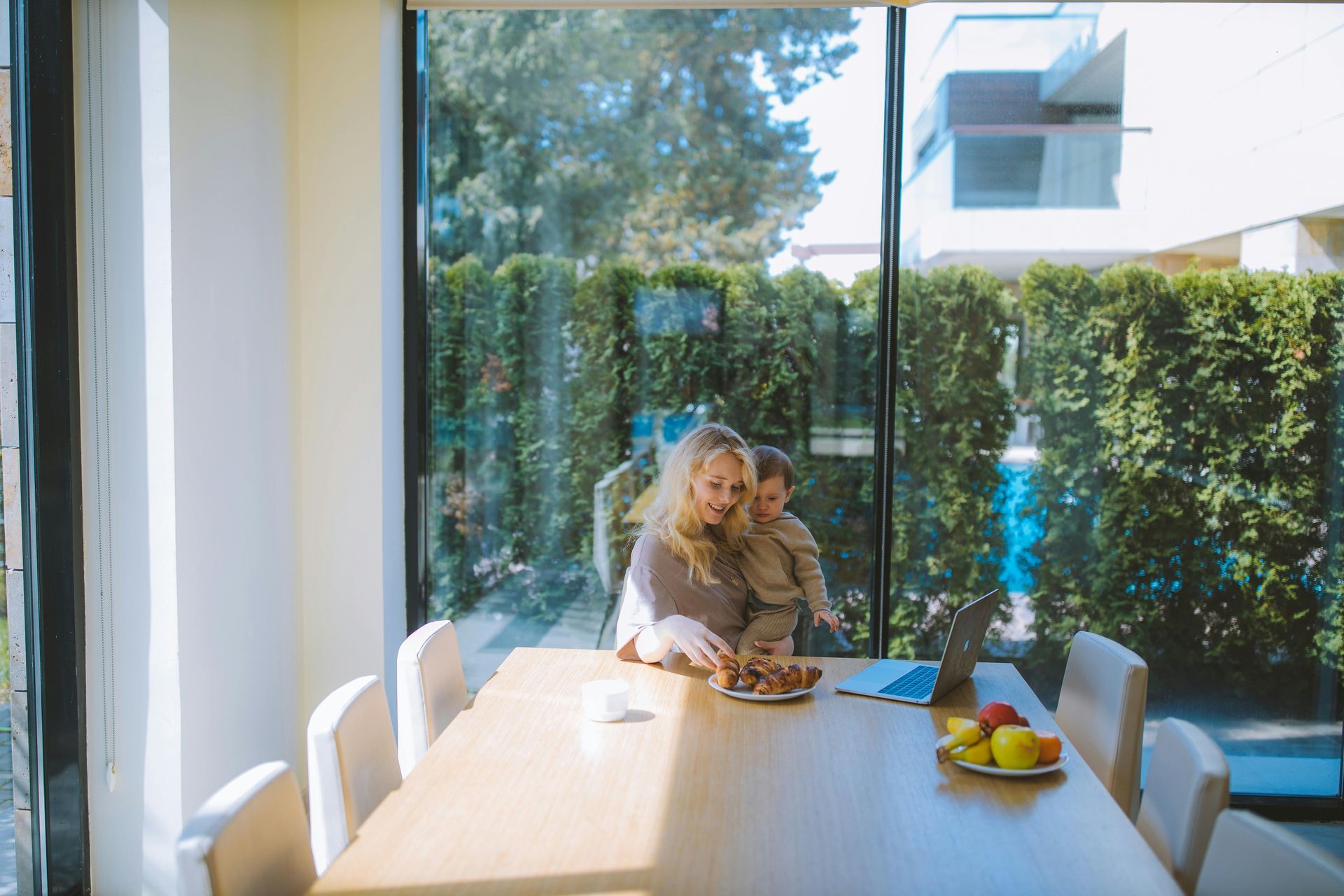
Walls and attics are insulated. Most windows are not, at least not against sunlight. When sunshine passes through glass, it brings heat into the room as infrared energy and as visible light that turns into heat when it hits floors, furniture, and walls. That heat gets trapped inside, a bit like a parked car on a summer day.
The U.S. Department of Energy estimates that heat gain and loss through windows accounts for roughly a quarter to a third of the energy used for residential heating and cooling. In New Jersey, a few local factors make the summer side of that problem worse:
- Long, humid summers. Your AC has to remove both heat and moisture, so every bit of extra solar heat adds to the load.
- West- and south-facing glass. Late-afternoon sun hits west-facing windows during the hottest, most expensive part of the day.
- Older single-pane or clear dual-pane windows. Many South Jersey homes built before the 2000s have glass with little or no solar control.
- Open floor plans and large sliders. Big glass areas look great but let in a lot of heat.
- Rising electricity rates. As utility costs climb, the payoff from reducing AC run time grows too.
The result is uneven temperatures, hot spots near windows, an AC that seems to run nonstop, and higher summer bills.
How Does Window Tinting Lower Cooling Costs?
Solar control window film is a thin, multi-layer polyester film applied to the inside of your existing glass. It is engineered to control the three parts of sunlight that affect your home.
It Rejects Infrared Heat
Infrared energy is the part of sunlight you feel as heat. Advanced films, including spectrally selective and ceramic-style films, reject much of this infrared energy while still letting visible light through. Less infrared coming in means less heat your AC has to remove.
It Reflects or Absorbs Solar Energy Before It Enters
Depending on its construction, a film reflects some solar energy back outside and absorbs some at the glass. The key number is total solar energy rejected (TSER). The higher the TSER, the less solar heat enters the room.
It Blocks UV Rays
Most quality window films block up to 99% of UV rays. UV isn't a major source of heat, but blocking it protects hardwood floors, rugs, furniture, and artwork from fading. That's a bonus on top of the energy savings.
It Evens Out Room Temperatures
When sun-facing rooms stop overheating, your thermostat doesn't have to cool the whole house just to make one room bearable. More even temperatures often mean fewer AC cycles and less temptation to crank the thermostat down.
How to Read Window Film Performance Numbers
When you compare films, you'll see several specs. Here's what they mean and what you want for cooling savings.
| Spec | What It Measures | What You Want for Cooling Savings |
|---|---|---|
| TSER (Total Solar Energy Rejected) | Share of total solar energy blocked | Higher is better |
| SHGC (Solar Heat Gain Coefficient) | Share of solar heat that gets through | Lower is better |
| VLT (Visible Light Transmission) | How much daylight passes through | Your preference; high VLT keeps rooms bright |
| IR Rejection | Share of infrared heat blocked | Higher is better |
| UV Rejection | Share of UV rays blocked | Up to 99% |
| Glare Reduction | How much the film cuts visible glare | Depends on comfort needs |
A common mistake is assuming darker film always means cooler. Modern spectrally selective films can reject a lot of heat while still looking light. That way you don't have to give up natural daylight to keep a room comfortable.
How Much Can Window Tinting Really Save in NJ?
This is the question everyone wants answered, and the honest answer is that it varies. Savings depend on:
- Window orientation. South- and west-facing windows offer the biggest gains. North-facing windows offer little cooling benefit.
- Total glass area. A home with large windows and sliders sees more impact than one with small windows.
- Existing glass. Film added to clear single-pane or clear dual-pane glass delivers more improvement than film added to glass that already has a solar control low-E coating.
- Shade. Mature trees, porches, and awnings already block some sun.
- AC efficiency and thermostat habits. An older system or a very low thermostat setting makes each degree of heat reduction worth more.
- The film you choose. Higher-TSER films reject more heat.
For most South Jersey homeowners, the most noticeable change is comfort. Rooms that used to be unbearable at 4 p.m. become livable, and the AC stops running nonstop. Utility savings build up over the life of the film, which can last many years with proper care. The best way to estimate savings for your home is a professional assessment of your windows and their sun exposure.
Which Type of Window Film Is Best for Lowering Cooling Costs?
Not all residential films perform the same. Here's how the common categories compare for New Jersey homes.
| Film Type | Heat Rejection | Appearance | Best For |
|---|---|---|---|
| Spectrally selective / ceramic-style | High | Light, natural look | Homeowners who want heat control without dark windows |
| Reflective / metallized | Very high | Mirrored or reflective exterior | Very hot west-facing rooms, maximum performance |
| Dual-reflective | High | Reflective outside, more neutral inside | Balanced views and glare control |
| Neutral tinted | Moderate | Darker, non-reflective | Glare reduction and privacy with some heat control |
| Solar safety and security | Moderate to high | Varies | Heat control plus shatter resistance |
At The Window Tinters, we install LLumar Vista residential solar control films, which come in a range of shades and performance levels. You can preview options with our Residential Film Viewer before your consultation.
Does Window Tinting Help in Winter, Too?
It can. Some window films have low-emissivity properties that reflect interior heat back into the room, which helps reduce heat loss through the glass during New Jersey winters. Standard solar control films are designed mainly for summer heat rejection, so if year-round efficiency is your goal, ask about films built for all-season performance.
Keep in mind that solar control film also reduces some of the "free" solar warmth that comes through south-facing windows in winter. For most South Jersey homes, the summer cooling savings and comfort gains outweigh that, but it's worth discussing with your installer for rooms where winter sun matters to you.
What the Installation Process Looks Like
Professional installation protects both the film's performance and your windows. Here's how The Window Tinters handles a residential project.
Free In-Home Consultation
We assess your windows' orientation, size, glass type, and problem areas, such as the overheated bedroom or the sunroom you avoid in July. Then we recommend the films that best fit your comfort, appearance, and budget goals.
Film-to-Glass Compatibility Check
Dual-pane, low-E, and older glass all react differently to heat absorption. We match the film to your glass to reduce the risk of thermal stress and to protect any applicable window warranty.
Careful Prep and Protection
We protect your floors and window sills, then deep-clean the glass so the film bonds cleanly with no trapped debris.
Precision Application
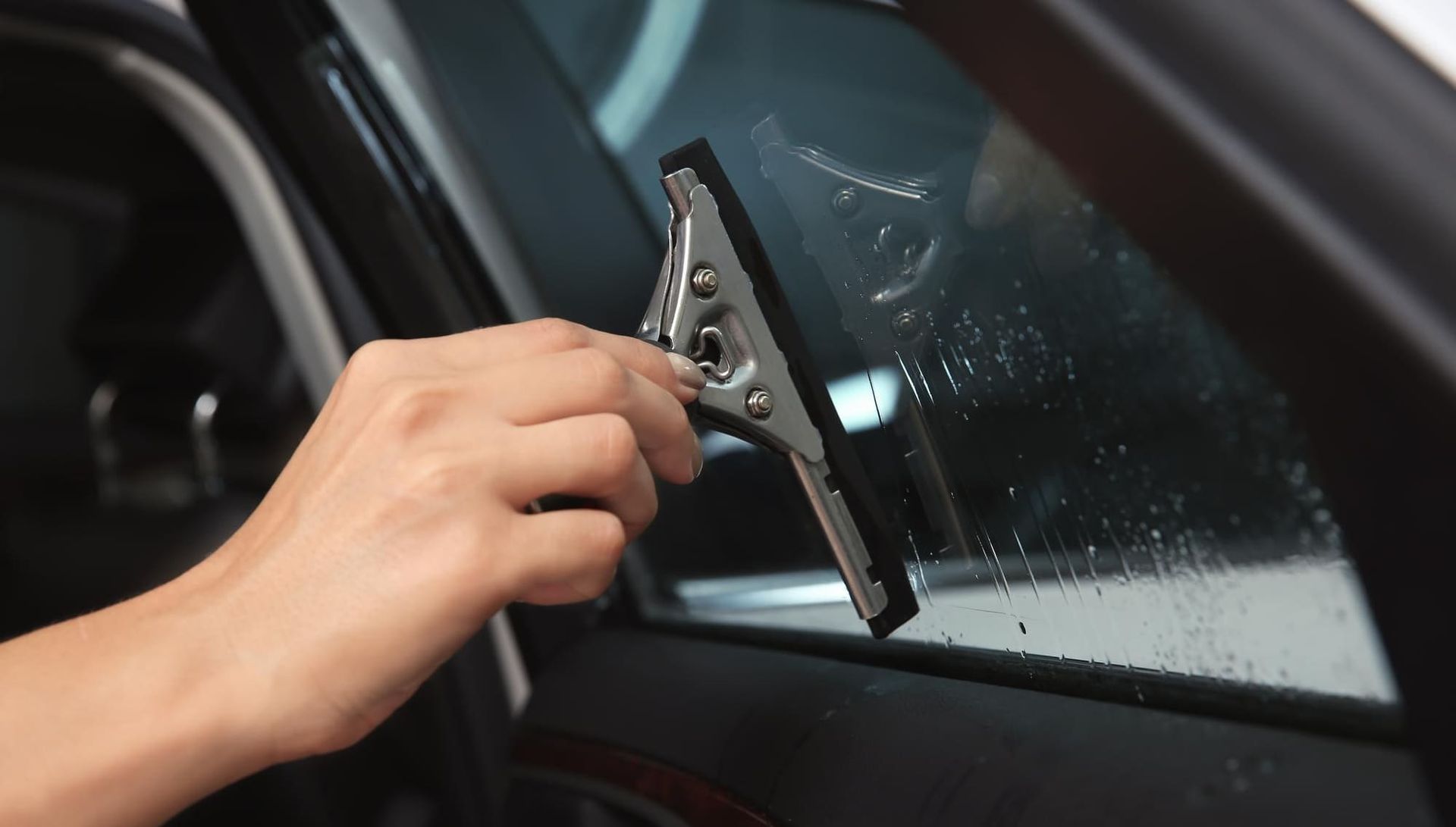
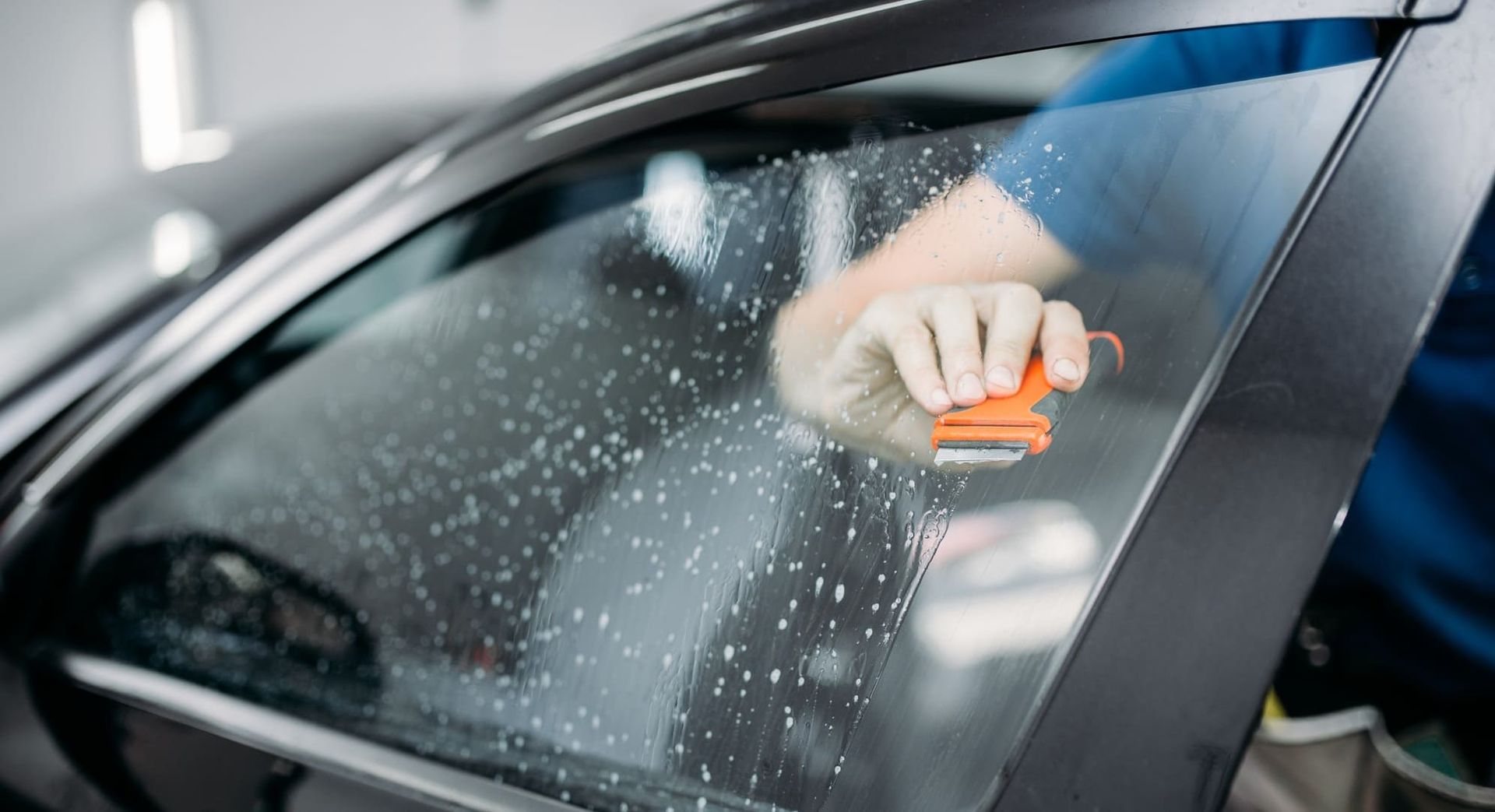
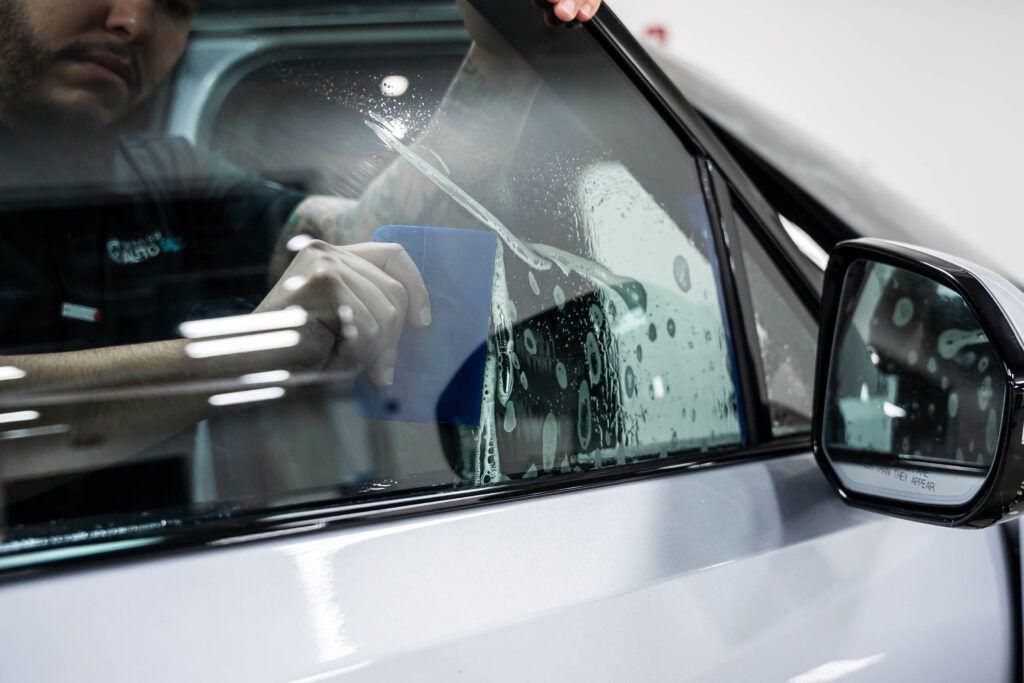
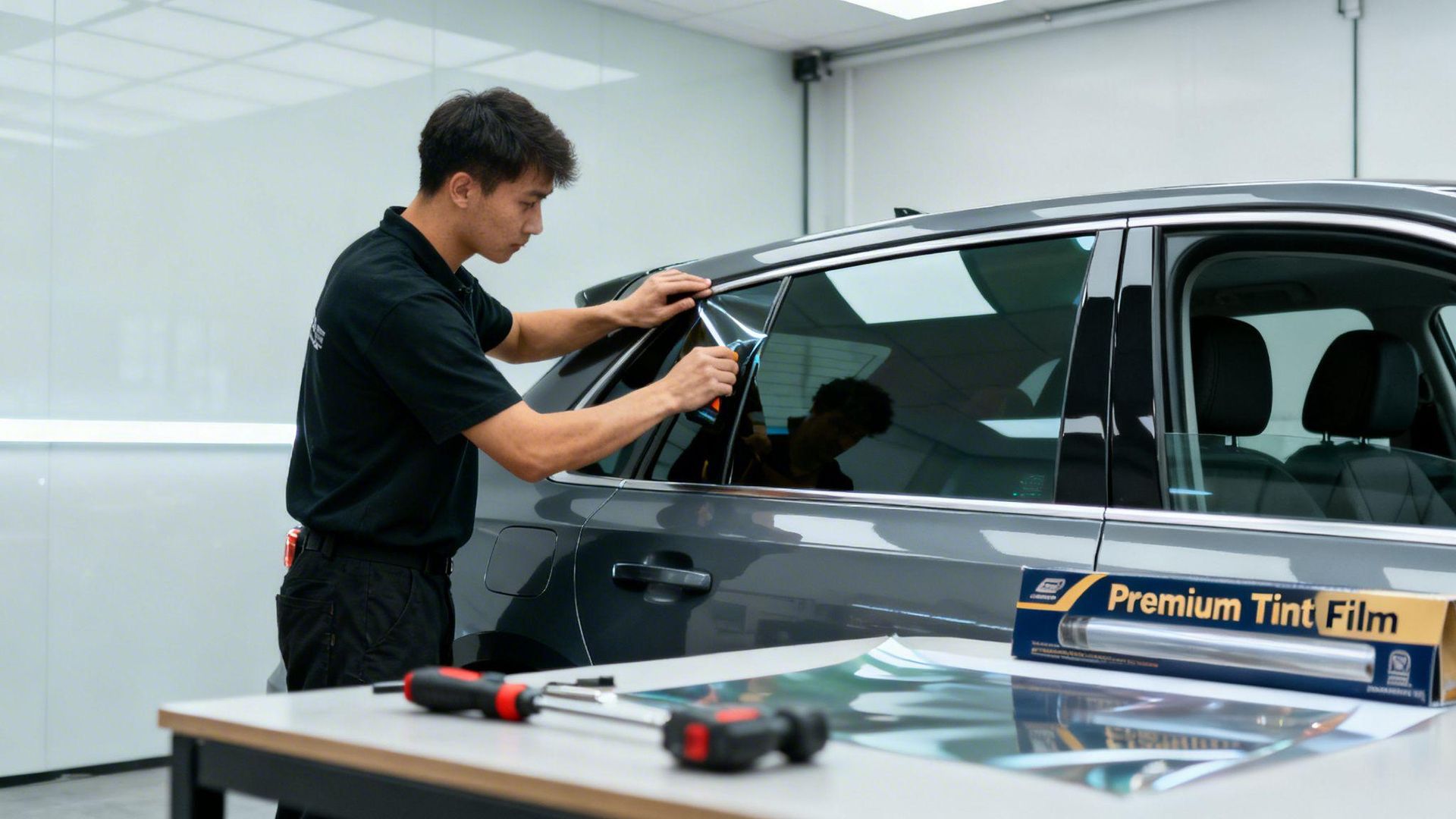
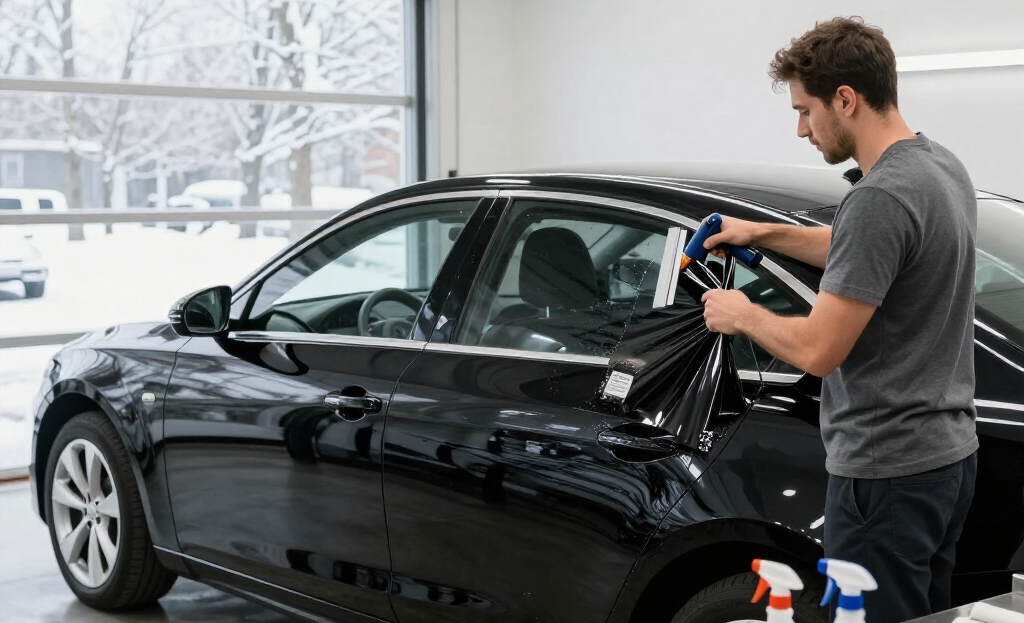
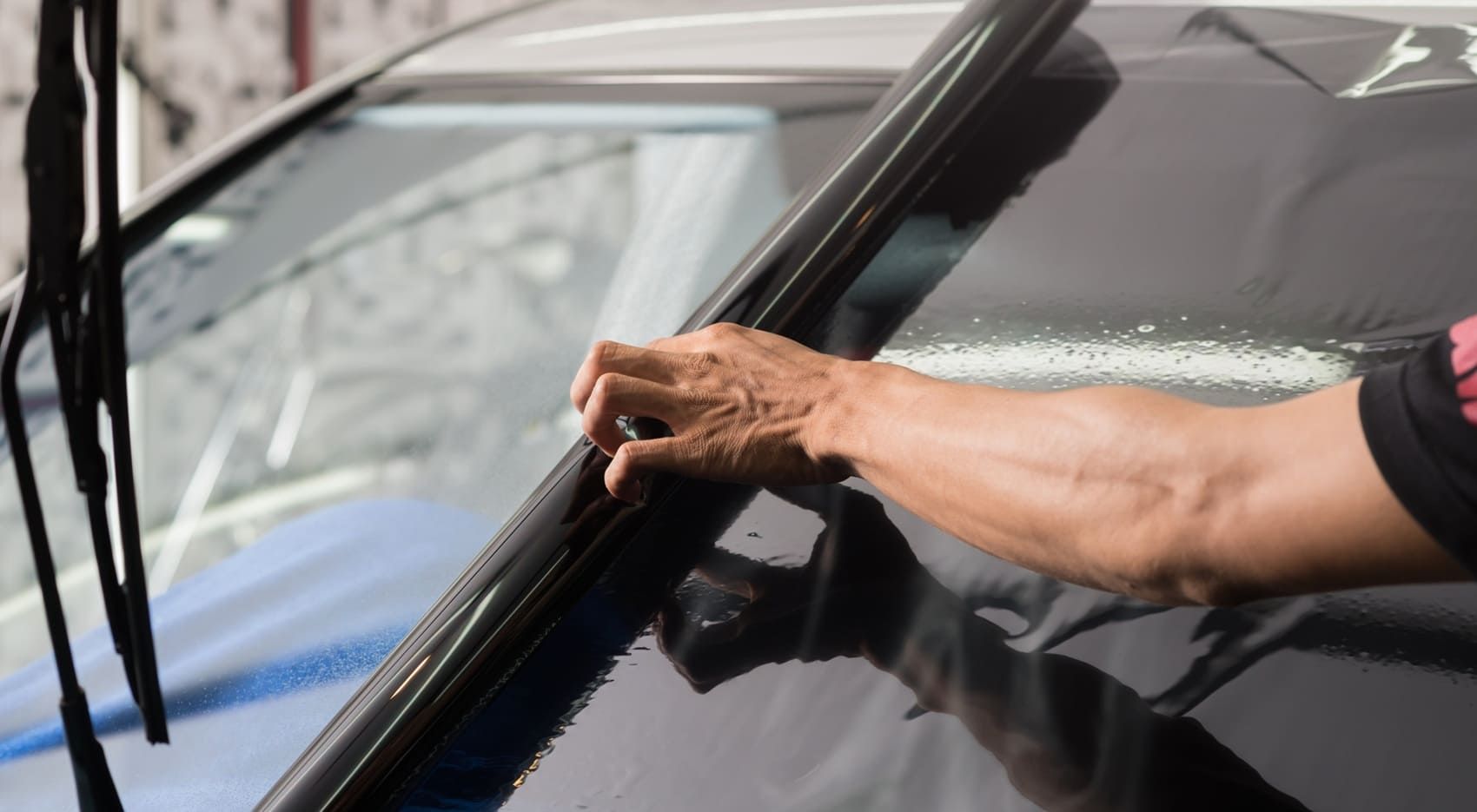
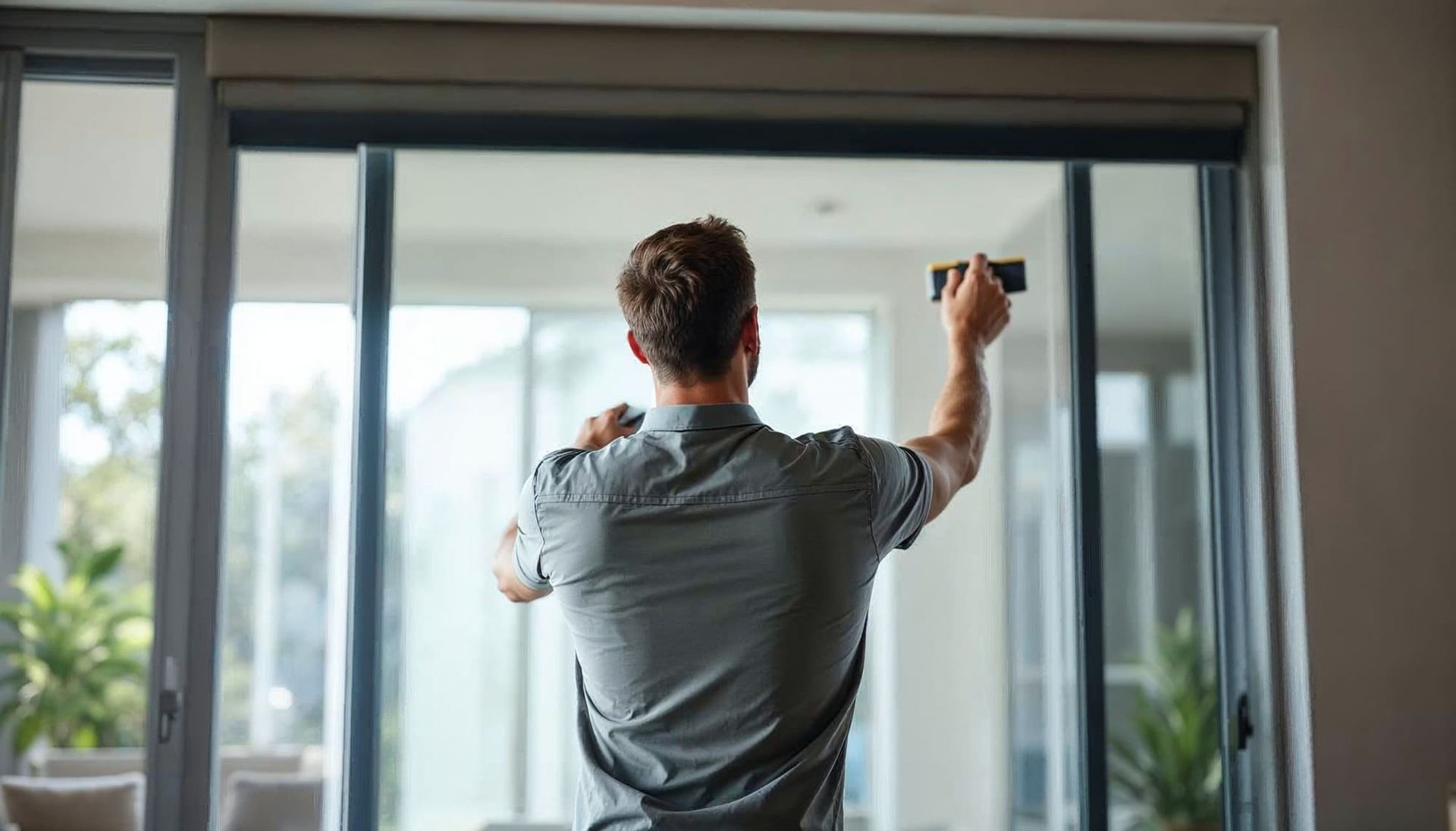
The film is cut to fit, applied with a slip solution, and squeegeed smooth for a clean, factory-like finish.
Curing and Aftercare
The film cures over the following days to weeks, depending on the weather. Slight haze or small water pockets during curing are normal. We'll explain how to clean your film so it performs well for years.
Is Home Window Tinting Worth It in New Jersey?
For many South Jersey homeowners, yes, especially if you have any of the following:
- Rooms that get noticeably hotter than the rest of the house
- Large west- or south-facing windows, sliders, or sunrooms
- An AC system that struggles on hot afternoons
- Furniture, flooring, or artwork that is fading
- Glare on TVs, computer screens, or home office desks
Window film is also much less expensive and disruptive than replacing windows, and it works with the glass you already have. If your windows are in good condition but let in too much heat, film is often the most cost-effective upgrade.
It may be less worthwhile if your home is heavily shaded, your windows face mostly north, or you already have high-performance solar control glass.
Frequently Asked Questions About Home Window Tinting and Cooling Costs
Does window tint really lower your electric bill?
Yes, window tint can lower your electric bill by reducing the solar heat that enters your home, which cuts how often and how long your air conditioner runs. Savings are greatest in homes with large, sun-facing windows and clear glass.
Will window tinting make my house dark?
Not necessarily. Spectrally selective films reject a lot of heat while letting most natural light through. You can choose a light film that keeps rooms bright or a darker film if you also want glare control and daytime privacy.
Can you see out of tinted home windows?
Yes. Residential window film keeps your views clear from inside. Reflective films can also add daytime privacy from outside, but at night, when the lights are on inside, people outside can see in.
Does window film damage dual-pane windows?
Not when the right film is used. Some films absorb more heat than others, so a professional installer should check film-to-glass compatibility before installing on dual-pane or low-E windows. That reduces the risk of thermal stress and helps protect your window warranty.
How long does residential window film last?
Professionally installed interior residential film typically lasts many years. LLumar films are backed by manufacturer warranties, and your installer can explain the coverage for the specific film you choose.
Is window film cheaper than replacing windows?
Yes, window film is far less expensive than window replacement and can be installed in a fraction of the time. If your windows are structurally sound, film is often the most budget-friendly way to improve heat control.
Can I install window film myself?
DIY kits exist, but residential film is hard to install without bubbles, gaps, or contamination. A professional installation also helps make sure the film matches your glass and that manufacturer warranties stay valid.
Keep Your South Jersey Home Cooler With The Window Tinters
Home window tinting is one of the most practical ways to fight summer heat in New Jersey. It cuts the solar heat coming through your glass, evens out hot rooms, eases the strain on your AC, and protects your interior from UV fading, all without giving up your views.
The Window Tinters is a LLumar SelectPro Dealer serving homeowners in Mount Laurel, Burlington County, Camden County, and throughout South Jersey. We install premium LLumar Vista residential window films, backed by LLumar's manufacturer warranties and installed by professionally trained technicians who take pride in their work. We guarantee you'll be completely satisfied, and our 5-star reviews reflect that commitment.
Ready to find out how much cooler your home could be? Call The Window Tinters at (856) 812-0607, visit our shop at 520 Fellowship Rd Unit B-204, Mt Laurel Township, NJ 08054, or request your free residential window tinting estimate online. We're open Monday through Friday, 9am to 5pm, and Saturday, 9am to 3pm.