How Long Does It Take to Tint Car Windows Professionally?
If you are booking your first tint appointment, one of the first questions you probably have is simple: how long does window tinting take? Most drivers in Mount Laurel Township, Burlington County, and Camden County want a clear answer before they commit because tinting affects work schedules, school pickups, errands, and travel plans. In most cases, professional car window tint installation takes a few hours, not a full day, but the exact timeline depends on your vehicle size, the number of windows being tinted, the film you choose, and whether old tint has to be removed first. Rushing the process is never worth it. Careful cleaning, precise film cutting, and proper adhesion help prevent bubbles, peeling, contamination, and uneven edges. The good news is that an experienced installer can usually give you a reliable estimate in advance. For South Jersey drivers, the best timeline comes from knowing your vehicle, your goals, and the condition of your existing glass.
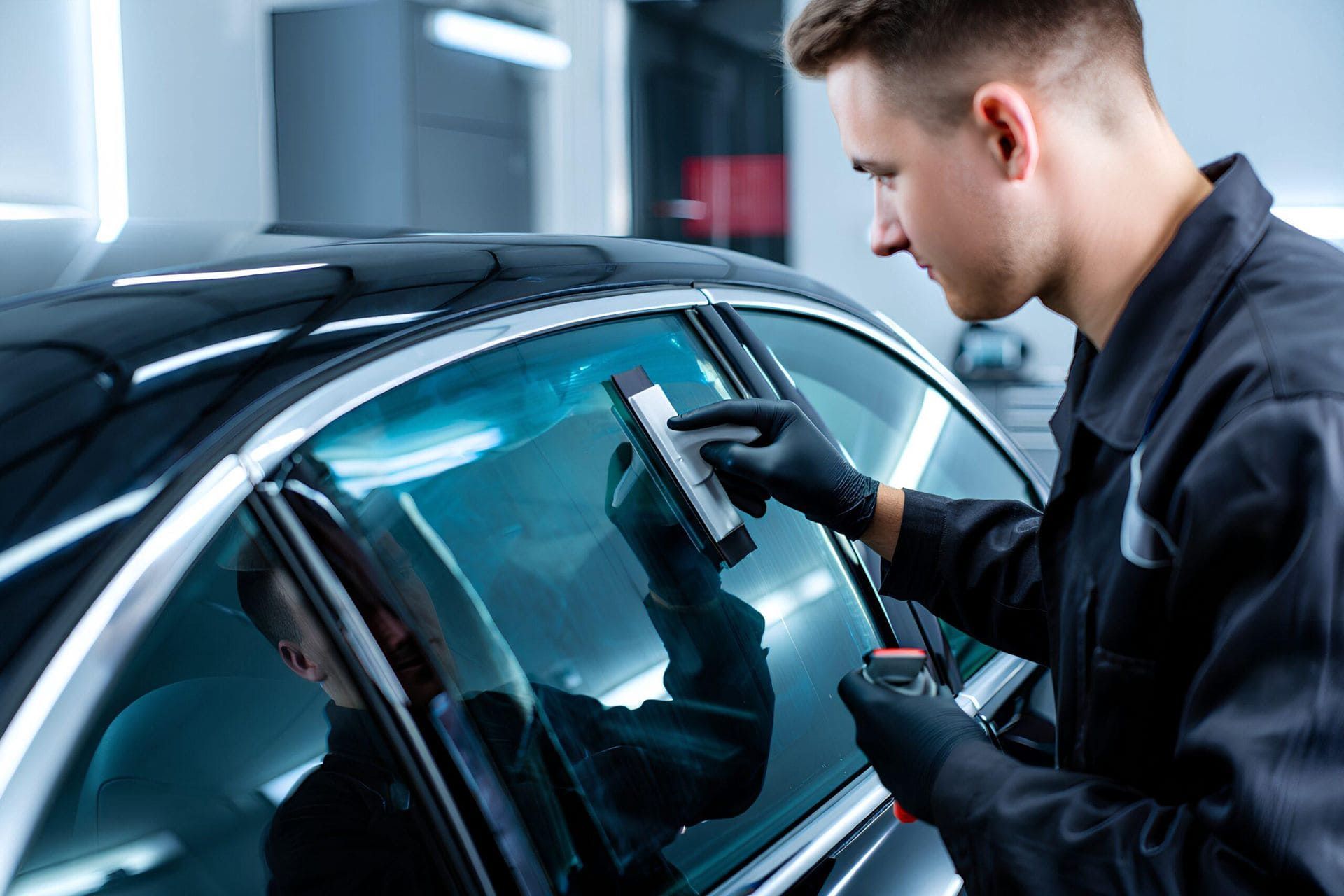
Table of Contents
- Average Time to Tint Car Windows by Vehicle Type
- What Affects Installation Time: Film Type, Window Count, and Vehicle Complexity
- Step by Step: What Happens During a Professional Tint Appointment
- Removing Old Tint First: How Much Extra Time It Adds
- Mobile Tint Installation vs In-Shop Installation: Timing Differences
- Drying and Curing Time: Why the Job Isn't Finished When You Drive Away
- How to Prepare Your Vehicle to Avoid Delays on Appointment Day
- FAQ
Average Time to Tint Car Windows by Vehicle Type
The short answer is that most professional car tint appointments take between two and five hours. Smaller vehicles with fewer windows usually finish faster. Larger SUVs, trucks, and vans often take longer because there is more glass, more trim work, and sometimes more complex rear window shapes.
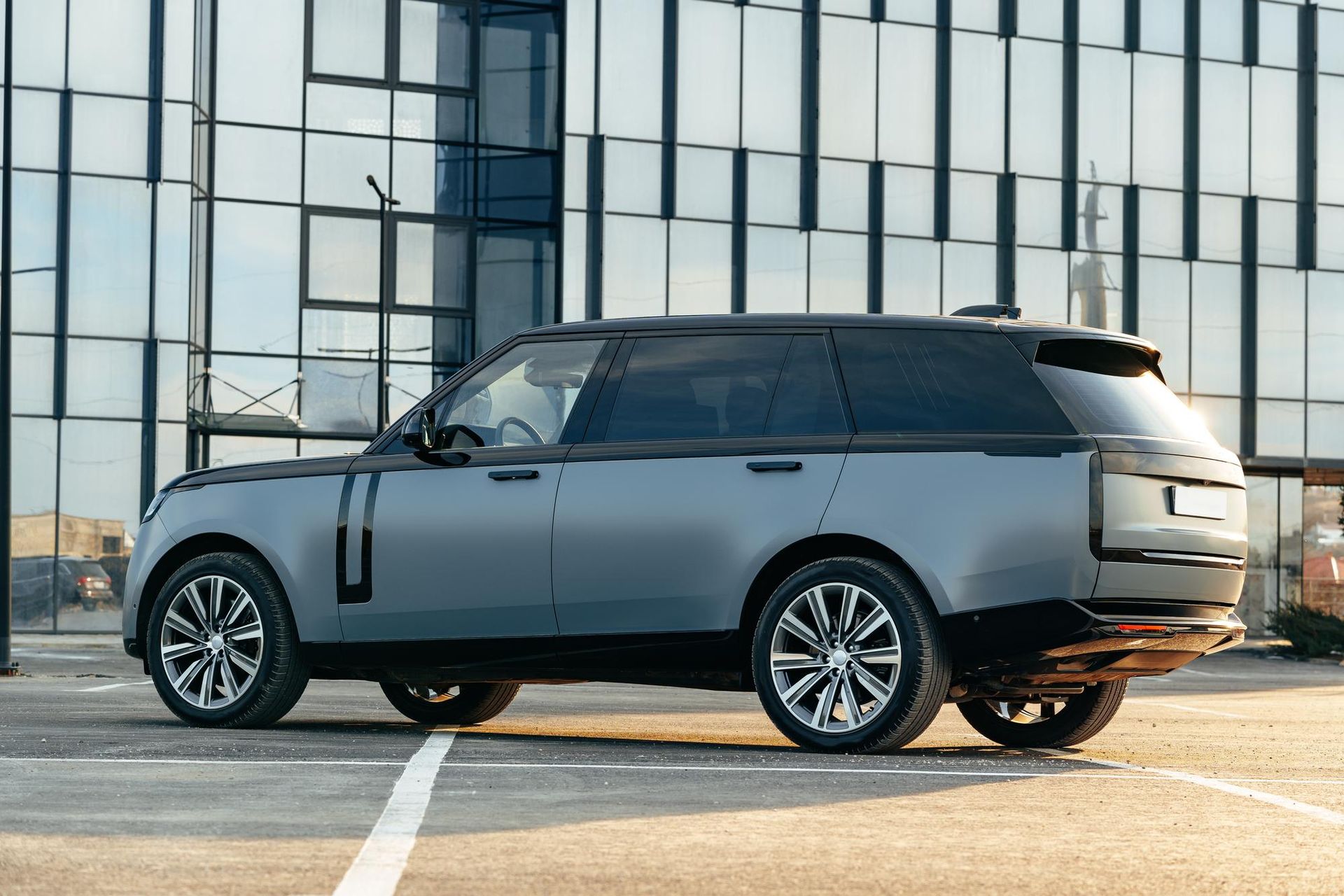
For a sedan or coupe, a standard full side and rear window job often falls around two to three hours. For an SUV or crossover, the average car window tint installation time is often three to four hours. For a truck or van, especially one with large rear glass or extra rows, the appointment may run four to five hours or more.
Drivers searching for window tinting Mount Laurel NJ services should remember that the clock starts with prep, not just film application. A quality installer spends time cleaning the glass, heat shaping film when needed, trimming edges precisely, and checking the final result before delivery.
| Vehicle Type | Average Windows Tinted | Typical Installation Time | Common Complexity Factors | Extra Time if Old Tint Removed | Recommended Film Options | Average Cost Range | Estimated Full Cure Time |
|---|---|---|---|---|---|---|---|
| Sedan or Coupe | 5 to 7 | 2 to 3 hours | Curved rear glass, tight seals, frameless doors | 30 to 90 minutes | FormulaOne Classic, Pinnacle, Stratos | $250 to $700+ | 2 to 7 days |
| SUV or Crossover | 7 to 9 | 3 to 4 hours | Third-row glass, quarter windows, larger rear hatch | 45 to 120 minutes | FormulaOne Pinnacle, Stratos | $350 to $900+ | 3 to 7 days |
| Truck or Van | 5 to 10+ | 4 to 5 hours | Sliding rear glass, tall side windows, cargo area glass | 60 to 150 minutes | FormulaOne Classic, Pinnacle, Stratos | $300 to $950+ | 3 to 10 days |
These are practical ranges, not guarantees. A FormulaOne window tint installer can give a more exact estimate once they know the vehicle model, the windows included, and whether existing film is on the glass.
What Affects Installation Time: Film Type, Window Count, and Vehicle Complexity
If you want the most accurate answer to how long does window tinting take, focus on four variables: film type, number of windows, vehicle design, and current glass condition.
Film type can influence handling and finishing time
Different films do not always install at the same pace. Premium films may require extra care during alignment, shrinking, and final inspection. That does not mean they are impractical. It means an experienced installer takes the time needed for a clean result. For many South Jersey drivers, the extra precision is worth it for heat rejection, appearance, and long-term performance.
More windows usually means more labor
A two-door coupe and a three-row SUV are simply different jobs. More glass means more cleaning, more fitting, more edge work, and more quality control. Small fixed quarter windows can also add time because they are tight and detailed.
Vehicle complexity matters more than size alone
Some cars are quick to tint even if they are large. Others take longer because of steep rear windows, sensitive trim, defroster lines, rubber seals, or unusual glass shapes. Rear windshields often require special attention because one visible flaw can stand out immediately.
Existing film, contamination, and condition issues slow things down
If the glass has adhesive residue, old bubbling film, pet hair, interior dust, or nicotine film buildup, prep takes longer. A professional car tint appointment is often decided by prep quality. Clean glass supports better adhesion and a cleaner finish.
For drivers comparing FormulaOne film options, here is a simple timing overview.
| Film Series | Typical Application Pace | Why Timing Can Differ | Expected Initial Drying Window | Estimated Full Cure Time |
|---|---|---|---|---|
| Classic Series | Standard | Traditional construction with straightforward handling on many vehicles | 1 to 3 days | 3 to 7 days |
| Pinnacle Series | Standard to moderately detailed | Premium construction may call for careful shaping and finishing | 1 to 3 days | 3 to 7 days |
| Stratos Series | Moderately detailed | High-end multilayer construction often benefits from precise installation technique | 2 to 4 days | 4 to 10 days |
The exact schedule depends on the vehicle and conditions, but this table helps first-time buyers understand why one premium film choice can feel slightly different from another on installation day.
Step by Step: What Happens During a Professional Tint Appointment
Most customers only see the drop-off and pickup. Behind the scenes, a professional tint job follows a sequence designed for accuracy and durability.
1. Vehicle check-in and confirmation
The installer confirms the film selected, the windows being tinted, and whether any old tint removal is required. This is also when timing expectations are reviewed so there are no surprises.
2. Glass inspection and prep
Every window is cleaned thoroughly. Dust, oils, and residue have to be removed before film touches the glass. This step is essential for preventing contamination that can cause imperfections.
3. Film measuring, cutting, and heat shaping
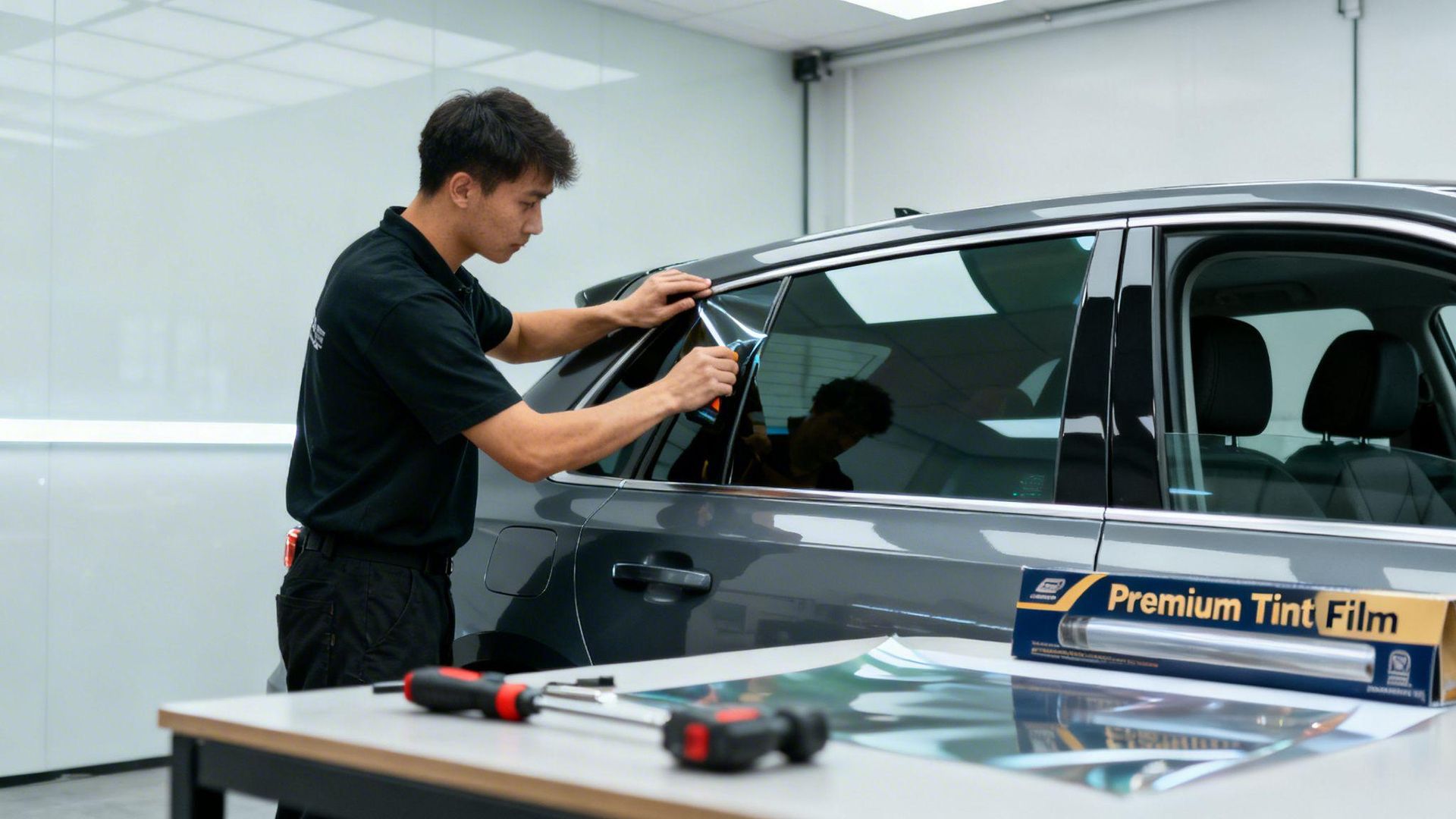
The film is sized for each piece of glass. Curved rear windows often require heat shaping so the film can sit flat and bond properly. This is one reason window tinting Mount Laurel NJ appointments can vary by model.
4. Interior application and alignment
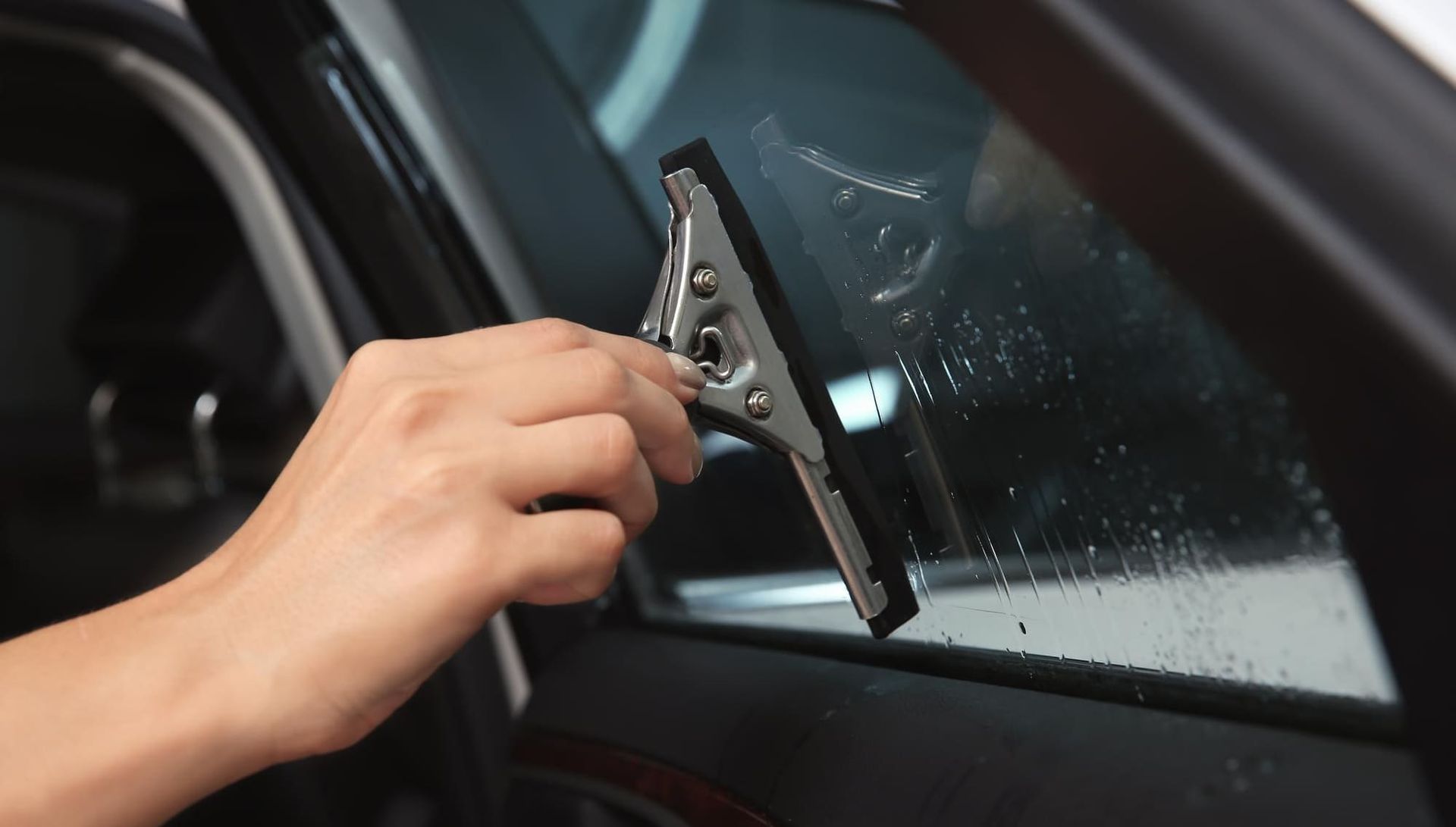
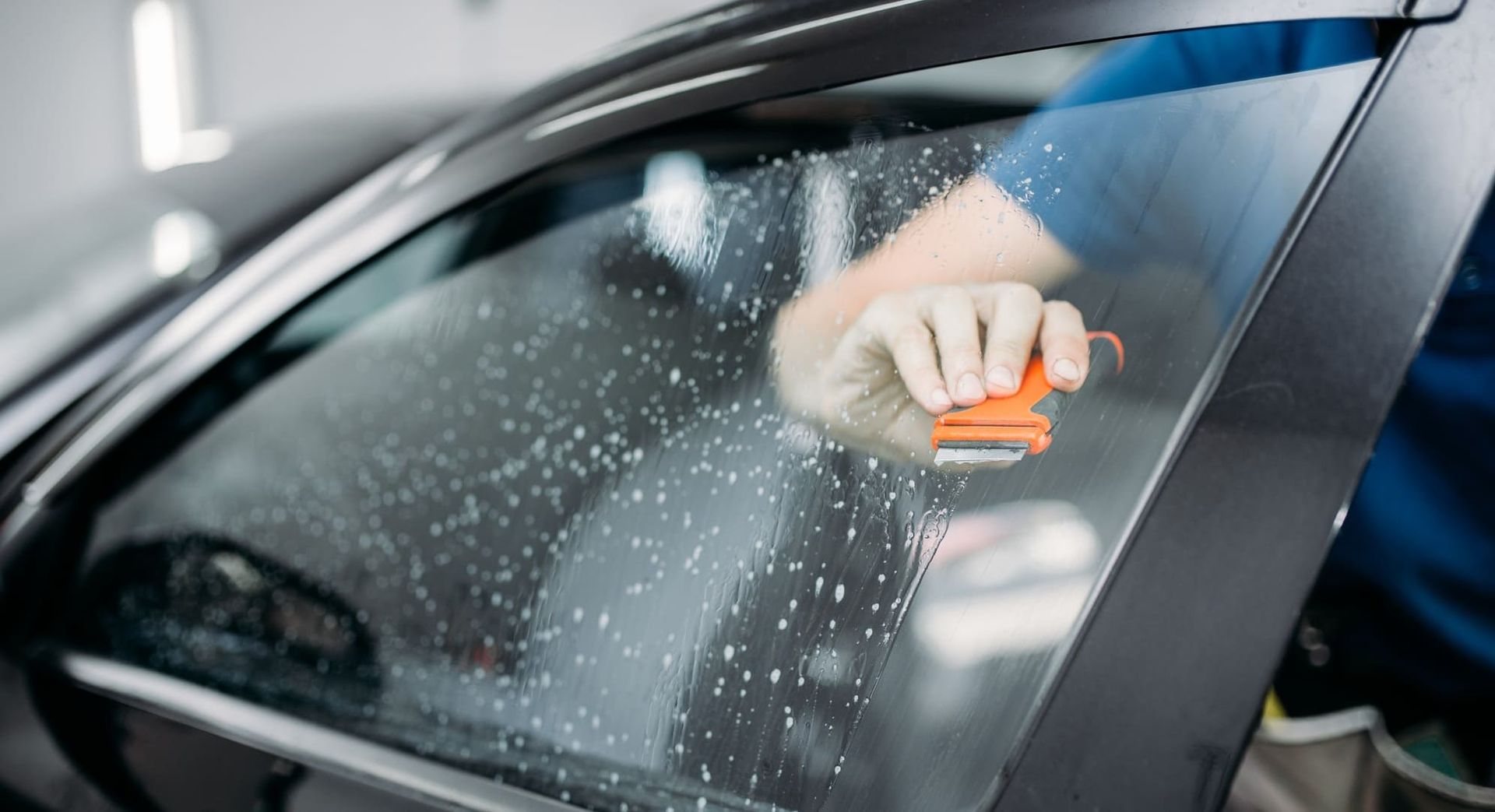
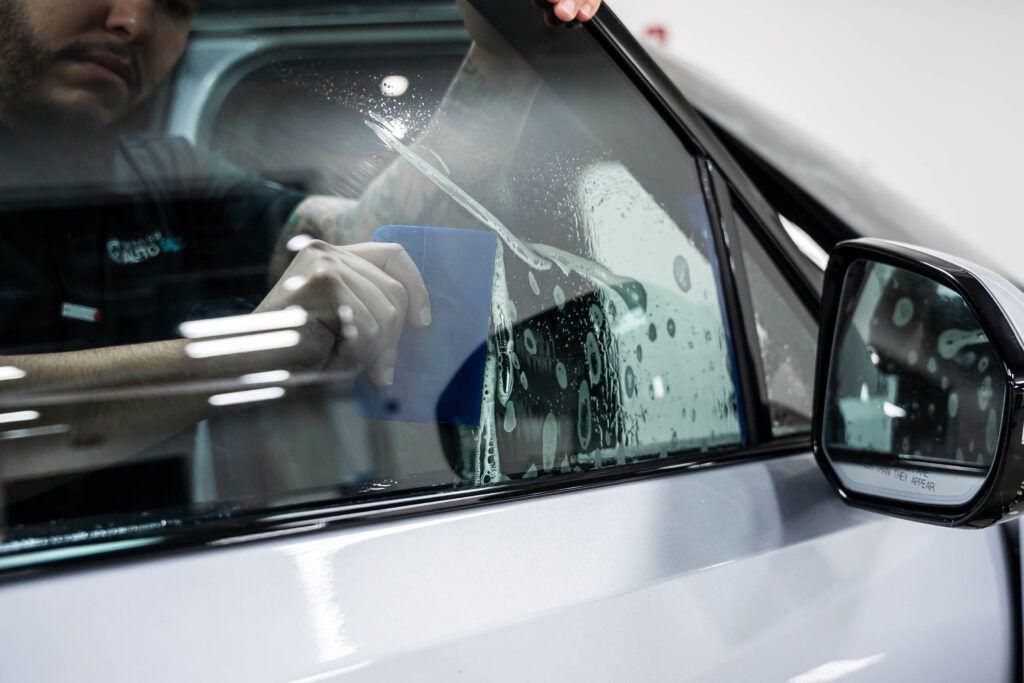
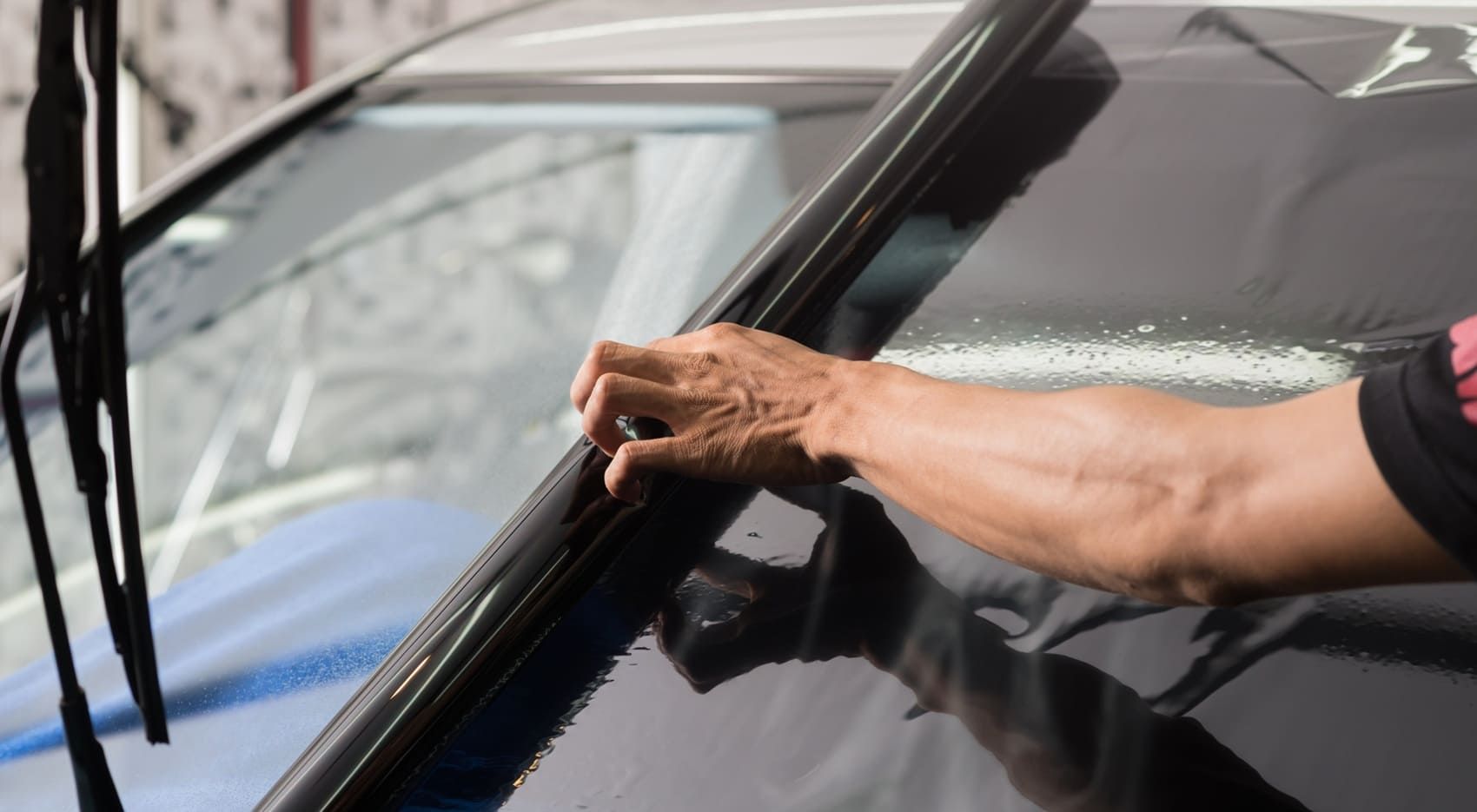
The installer applies the film carefully to the inside of the glass, aligns the edges, and removes solution from underneath. Precision matters here because even a small issue can affect the final appearance.
5. Edge finishing and final inspection
After the film is in place, edges are checked, moisture is worked out, and the installer inspects the job for cleanliness and consistency. Quality control helps deliver the bubble-free look drivers expect.
This process is why a professional car tint appointment should never be rushed. A fast job is not the same as a good job. Experienced teams, like The Window Tinters, focus on efficient scheduling without cutting corners, whether the service is completed in-shop or through mobile window tint NJ appointments.
Removing Old Tint First: How Much Extra Time It Adds
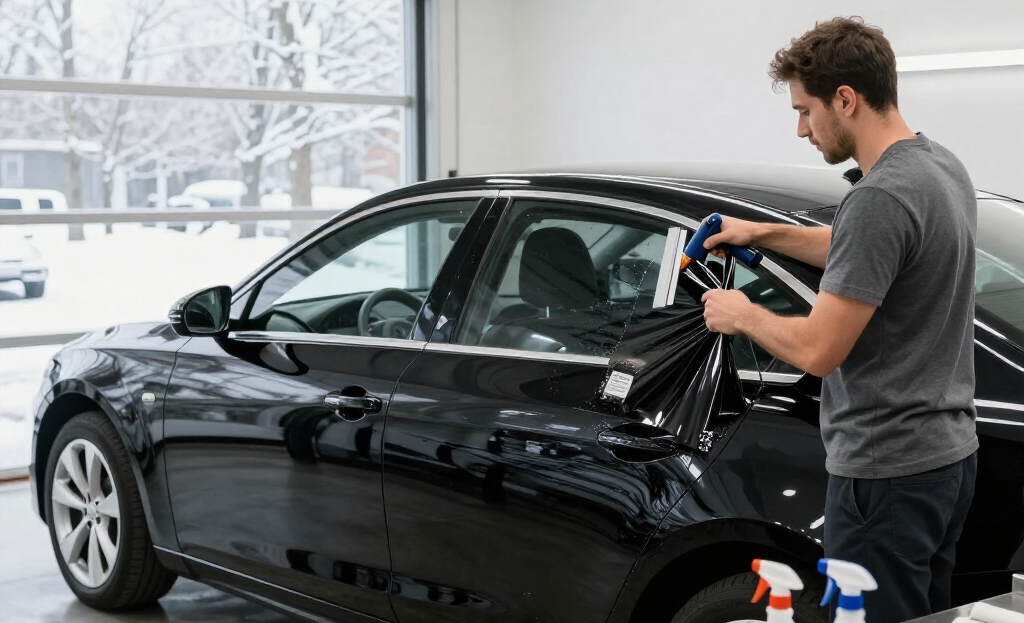
If your vehicle already has peeling, faded, purple, or bubbling tint, removal can add significant time. In many cases, old tint removal adds 30 minutes to more than two hours depending on the number of windows, film age, and adhesive condition.
The film itself may come off quickly. The adhesive is often the real challenge. Older adhesive can stick aggressively to defroster lines and glass surfaces, which means the installer must work carefully to avoid damage and prepare the glass for the new film.
Why removal time varies so much
- Old film may break into pieces during removal
- Sun-baked adhesive often requires extra cleaning
- Rear windows with defroster lines need special care
- Low-quality previous installs may leave heavy residue
If you suspect you already have existing tint, mention it when requesting a quote. That helps the installer build the right amount of time into the schedule and gives you a more accurate estimate for how long does window tinting take on your specific vehicle.
For first-time buyers, this is an important distinction. Tinting bare, clean glass is one timeline. Replacing a failed older film is a different job entirely.
Mobile Tint Installation vs In-Shop Installation: Timing Differences
Mobile service is convenient, but customers often ask whether it takes longer than an in-shop appointment. The honest answer is that it can be slightly slower depending on setup conditions, though a well-organized mobile installer can still complete most vehicles within a similar timeframe.
When in-shop installation may be faster
A controlled shop environment supports consistent temperature, lighting, and workspace setup. That can reduce interruptions and help the installer move efficiently from prep to final inspection.
When mobile tint installation is still a strong option
Mobile window tint NJ service is ideal for busy professionals, parents, and business owners who do not want to rearrange their day around a shop visit. If the vehicle can be parked in a clean, workable location, mobile service can be highly efficient and very convenient.
What affects mobile timing
- Available shade or weather protection
- Wind, humidity, and temperature
- Space around the vehicle
- Access to a safe, clean work area
The Window Tinters offers mobile installation for South Jersey drivers who want no-hassle scheduling at home or work. For many customers in Mount Laurel Township, that convenience outweighs any minor timing difference, especially when the work is still performed with careful prep and experienced application.
Drying and Curing Time: Why the Job Isn't Finished When You Drive Away
One of the most common misunderstandings is assuming the job is complete the moment you leave. Installation may be done, but curing is still in progress. Window tint curing time refers to how long it takes remaining moisture under the film to evaporate and the film to settle fully onto the glass.
Most drivers can drive immediately after installation. The vehicle is usable right away. What changes is aftercare. In many cases, you should keep the windows up for several days, often about three to five days, or follow the installer's specific guidance. Cooler or more humid conditions can extend that timeline.
Why curing matters
During curing, you may notice a slight hazy appearance or tiny water pockets. That is normal in many cases. As the moisture evaporates, the film usually clears up. Rolling windows down too soon can disturb the edges before the film has fully settled.
Weather can affect cure speed
Warm, dry weather usually helps tint cure faster. Humid, rainy, or cool conditions can slow the process. That does not necessarily stop installation, but it may change how long the film needs before it reaches its final appearance.
For customers choosing premium FormulaOne and LLumar products, proper aftercare is part of getting the long-lasting result they expect. A few days of patience supports a better finish and reduces the chance of edge disturbance during early cure.
How to Prepare Your Vehicle to Avoid Delays on Appointment Day
If you want your appointment to stay on schedule, preparation helps. The simplest way to avoid delays is to make the vehicle easy to access and let the installer know about anything unusual ahead of time.
Preparation checklist for customers
- Remove personal items from door pockets, back seats, and cargo areas near the glass
- Let the installer know if old tint is on any window
- Mention damaged seals, cracked glass, or rear defroster issues
- Wash excessive dirt from the vehicle exterior if possible
- Arrive on time or have the vehicle ready at the mobile service location
- Confirm which windows you want tinted before the appointment begins
These steps help reduce avoidable delays and make it easier for the installer to focus on the work itself. They also help you get a more accurate timing estimate before the appointment starts.
For many first-time tint buyers in Burlington County and Camden County, the best experience comes from choosing an experienced team that communicates clearly, sets realistic expectations, and uses quality products. That is especially important when selecting a FormulaOne window tint installer for a premium film package.
FAQ
How long does it take to tint all the windows on a car?
Most full-car tint jobs take about two to five hours depending on the vehicle, number of windows, film selected, and whether old tint needs removal.
Can I wait at the shop while my car is being tinted?
Yes, in many cases. Ask ahead to confirm if waiting is practical based on appointment length and workspace availability.
How much longer does it take if old tint needs to be removed?
Old tint removal can add 30 minutes to two or more hours, mainly depending on adhesive cleanup and rear window condition.
Is mobile window tinting slower than in-shop installation?
It can be slightly slower in some conditions, but a properly prepared mobile service can complete most vehicles efficiently. Weather and workspace matter.
How soon can I roll my windows down after tinting?
Most installers recommend keeping windows up for three to five days to protect the edges while the film cures.
How soon can I wash my car after getting it tinted?
You can usually wash the exterior soon after installation, but avoid anything that may affect freshly tinted window edges.
Why does tint need time to cure after installation?
Curing allows moisture under the film to evaporate, helping the tint bond properly and achieve a clear finish.
Does rainy or humid weather affect tint installation time?
Weather usually affects curing more than installation. Humidity and cooler temperatures may slow the drying process.
Can all my windows be tinted in one appointment?
Yes, most vehicles can be fully tinted in one appointment if the film choice, schedule, and vehicle condition are confirmed.
Does a full SUV take longer to tint than a sedan?
Usually yes. SUVs often have more glass, additional windows, and complex areas like rear hatch or third-row windows.
What should I do to prepare my car before a tint appointment?
Remove personal items near windows, mention old tint or glass issues, and ensure the vehicle is ready at the appointment time.
Will poor weather delay my scheduled tint installation?
It can, especially for mobile tinting in wet or windy conditions. Your installer can advise if rescheduling is needed.
Conclusion
So, how long does window tinting take? For most vehicles, professional installation takes a matter of hours, not days. Sedans may be done in as little as two to three hours, while larger SUVs, trucks, and more complex jobs can take longer. The key is understanding that installation time is only part of the process. Proper drying and curing over the next several days help your tint settle correctly and deliver the clean, bubble-free finish you want.
If you are in Mount Laurel Township, Burlington County, Camden County, or the greater South Jersey area, The Window Tinters can help you choose the right FormulaOne or LLumar film and provide a clear estimate for your vehicle. Whether you prefer in-shop service or the convenience of mobile installation, contact The Window Tinters for an appointment or free estimate on professional window tint installation backed by experienced application and a lifetime warranty.