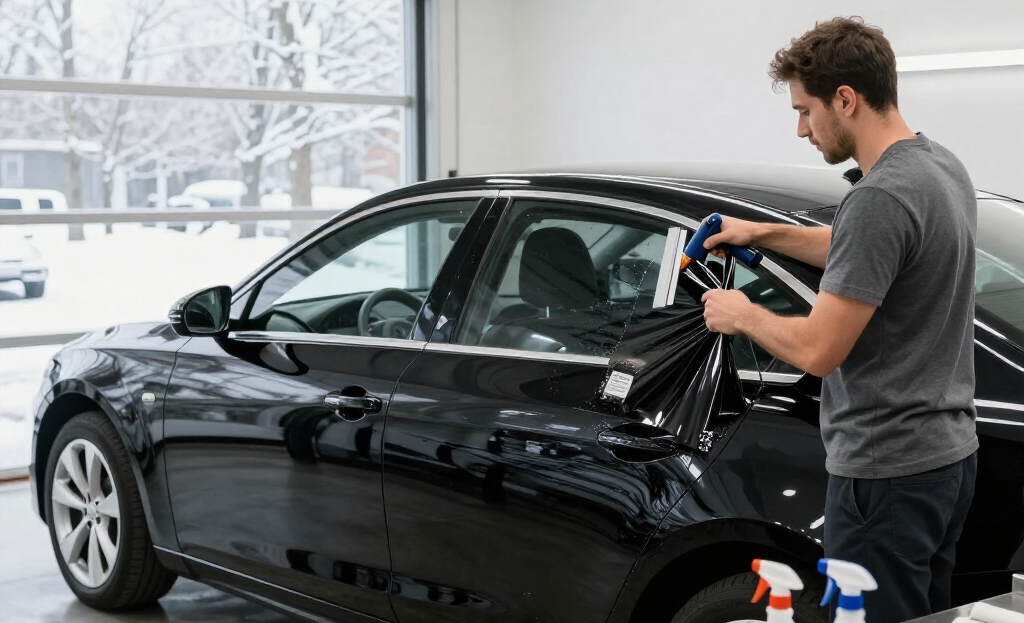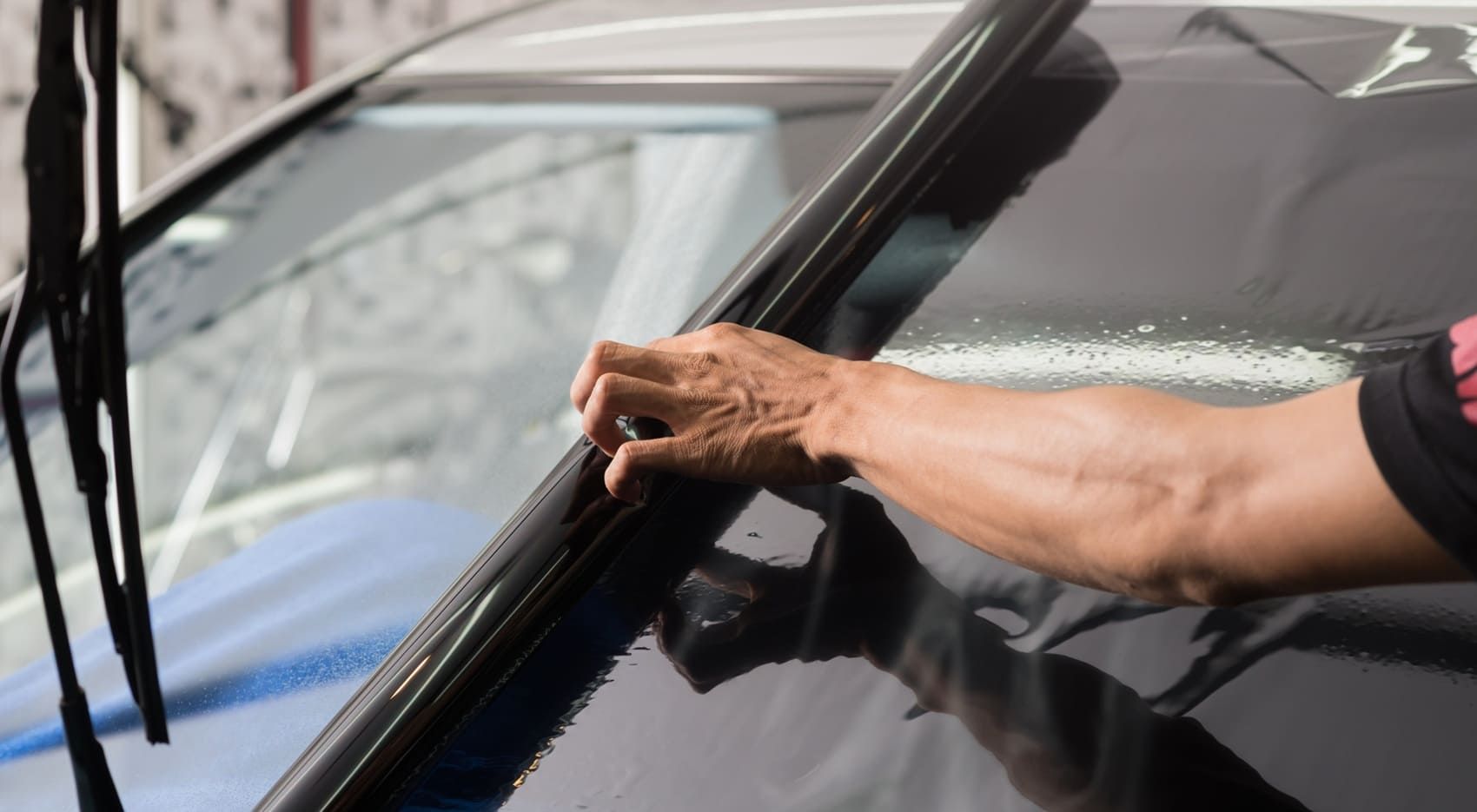
How to Clean Tinted Windows Without Damaging the Film: A Guide for Mount Laurel & South Jersey Drivers
You just invested in professional window tinting — maybe FormulaOne High Performance Auto Tint or a premium LLumar film — and the last thing you want is to ruin that investment with the wrong bottle of glass cleaner from under your sink. It's one of the most common questions new tint customers ask after their installation: how do you actually keep tinted windows clean without scratching, peeling, or clouding the film?
The good news is that cleaning tinted windows correctly isn't complicated once you know a few basic rules. The bad news is that a lot of standard household glass cleaners, paper towels, and cleaning habits that work fine on bare glass can quietly damage window film over time. For drivers throughout Mount Laurel, Burlington County, and Camden County who've had auto, home, or commercial window tinting installed, this guide breaks down exactly what to do, what to avoid, and when it's safe to start cleaning your windows after installation.
Why Tinted Windows Need a Different Cleaning Approach
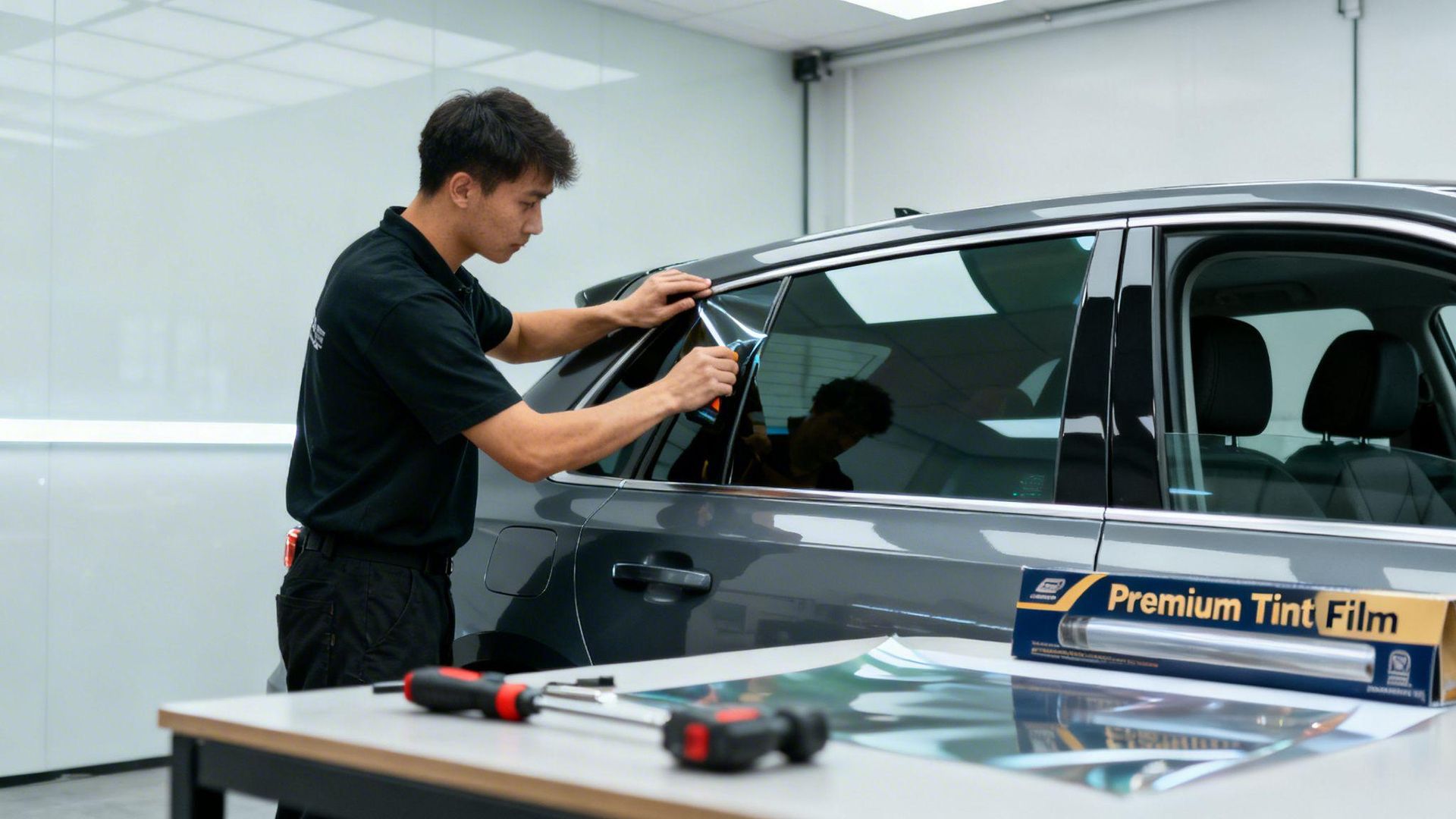
Window film is a thin, multi-layered material applied to the inside surface of your glass. Unlike bare glass, film has a finish that can be scratched, and an adhesive layer underneath that needs time to fully cure. Certain chemicals — particularly ammonia — can react with the film's dyes and coatings over time, causing discoloration, bubbling, or a breakdown of the adhesive bond.
This is why tint professionals, including installers here at The Window Tinters, are consistently asked the same questions after installation: What can I use? When can I start? And how do I avoid scratching a film I just paid to have professionally installed?
The short version: give the film time to cure, use the right tools, and stick to ammonia-free products. Here's the full breakdown.
How Long Should You Wait Before Cleaning Newly Tinted Windows?
Right after installation, your window film is still curing. Moisture trapped between the film and the glass needs time to evaporate, which is also why freshly tinted windows often look hazy, streaky, or blotchy for the first several days — this is completely normal and not a sign of a bad install.
As a general rule:
- Wait at least one full week before cleaning the inside surface of any newly tinted window.
- Avoid rolling car windows down for three to five days after installation, giving the film time to properly adhere to the glass.
- Full curing can take anywhere from a few days to a couple of months, depending on the type of film installed, though the window will be safe to clean well before curing is fully complete.
Cleaning too early — or rolling windows down before the film has bonded — risks lifting an edge or trapping new moisture under the film before it's had a chance to set.
The Right Way to Clean Tinted Windows
Once your film has had time to cure, cleaning it is simple as long as you follow a few basic guidelines.
1. Use an Ammonia-Free Cleaner
This is the single most important rule. Ammonia is a common ingredient in many popular glass cleaners, and it can break down window film's dyes and adhesive over time, leading to discoloration, bubbling, or premature failure. Look specifically for cleaners labeled "ammonia-free," or products made specifically for tinted windows or auto film.
2. Choose a Foam Cleaner When Possible
Foam-based cleaners are generally the safest choice for tinted glass because they tend to be ammonia-free and don't streak the way many liquid sprays do. A light mist of foam cleaner followed by a gentle wipe is usually all it takes to keep tinted windows looking clear.
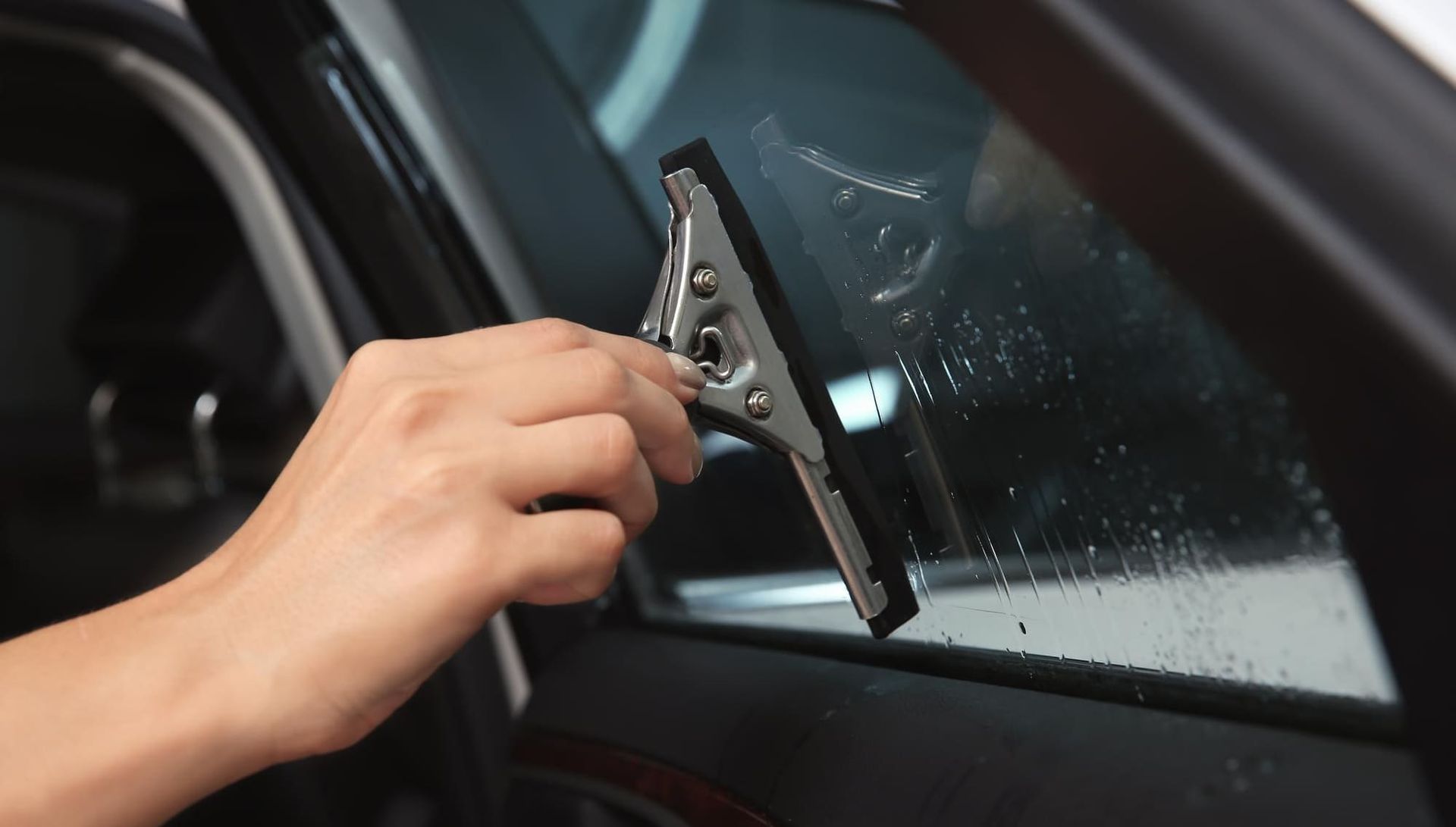
3. Use a Soft Cloth or Rubber Squeegee
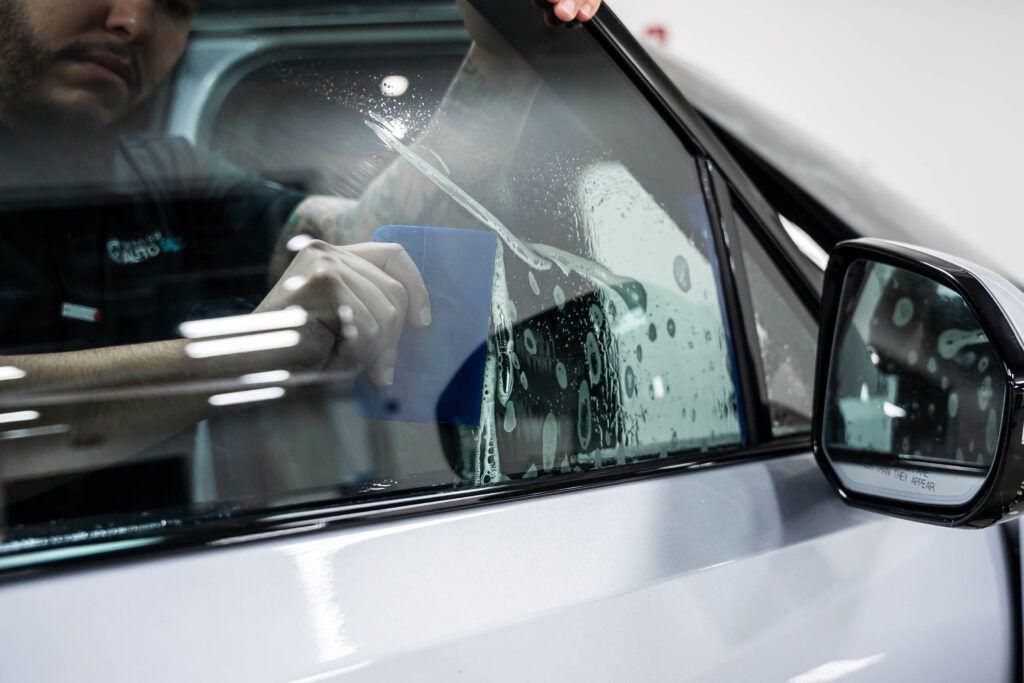
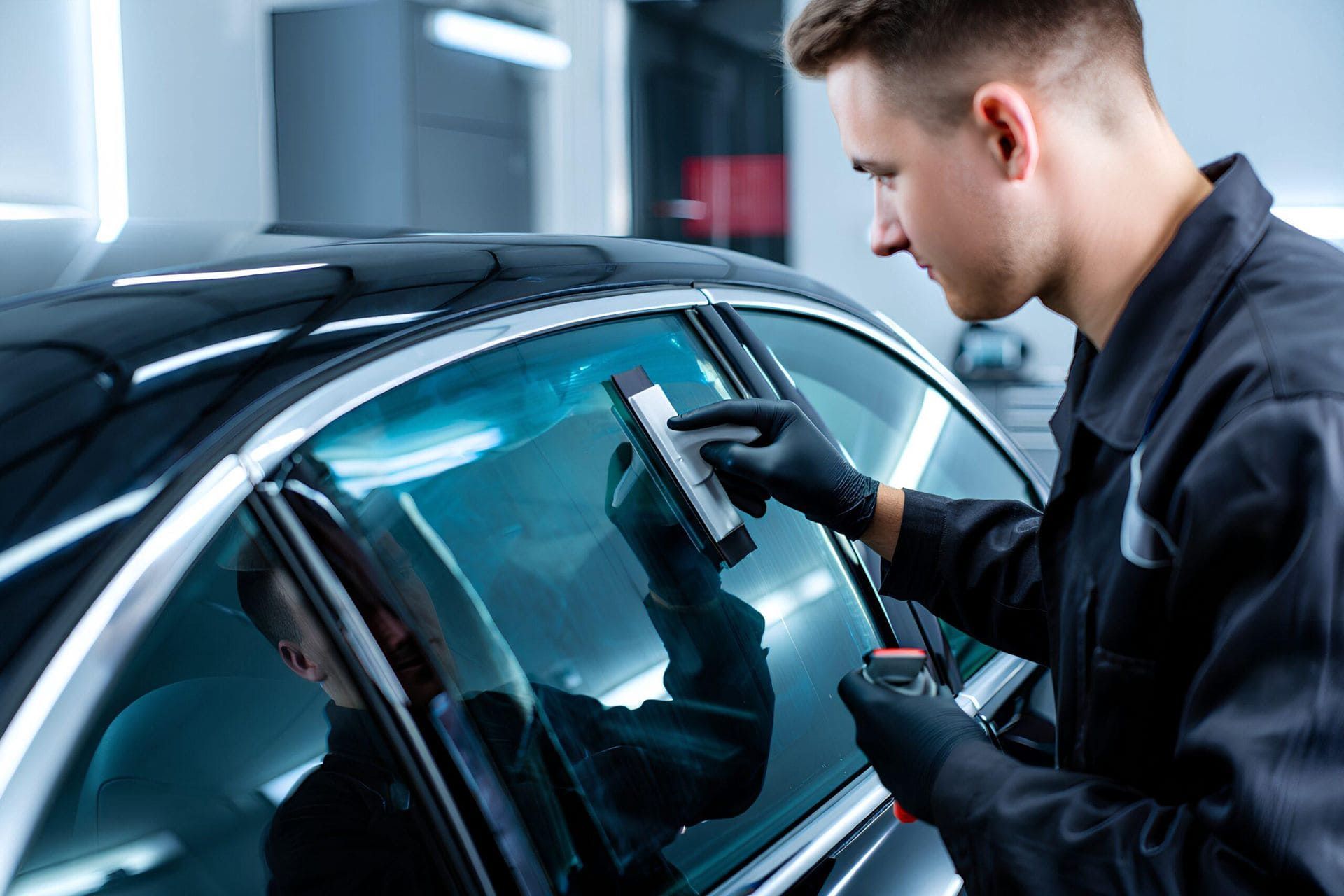
Skip the paper towels, shop rags, or anything with a rough texture — these can create fine scratches on the film's surface over time, especially with repeated use. A soft microfiber cloth or a clean rubber squeegee is the safer choice for both wiping and drying.
4. Never Scrape the Film
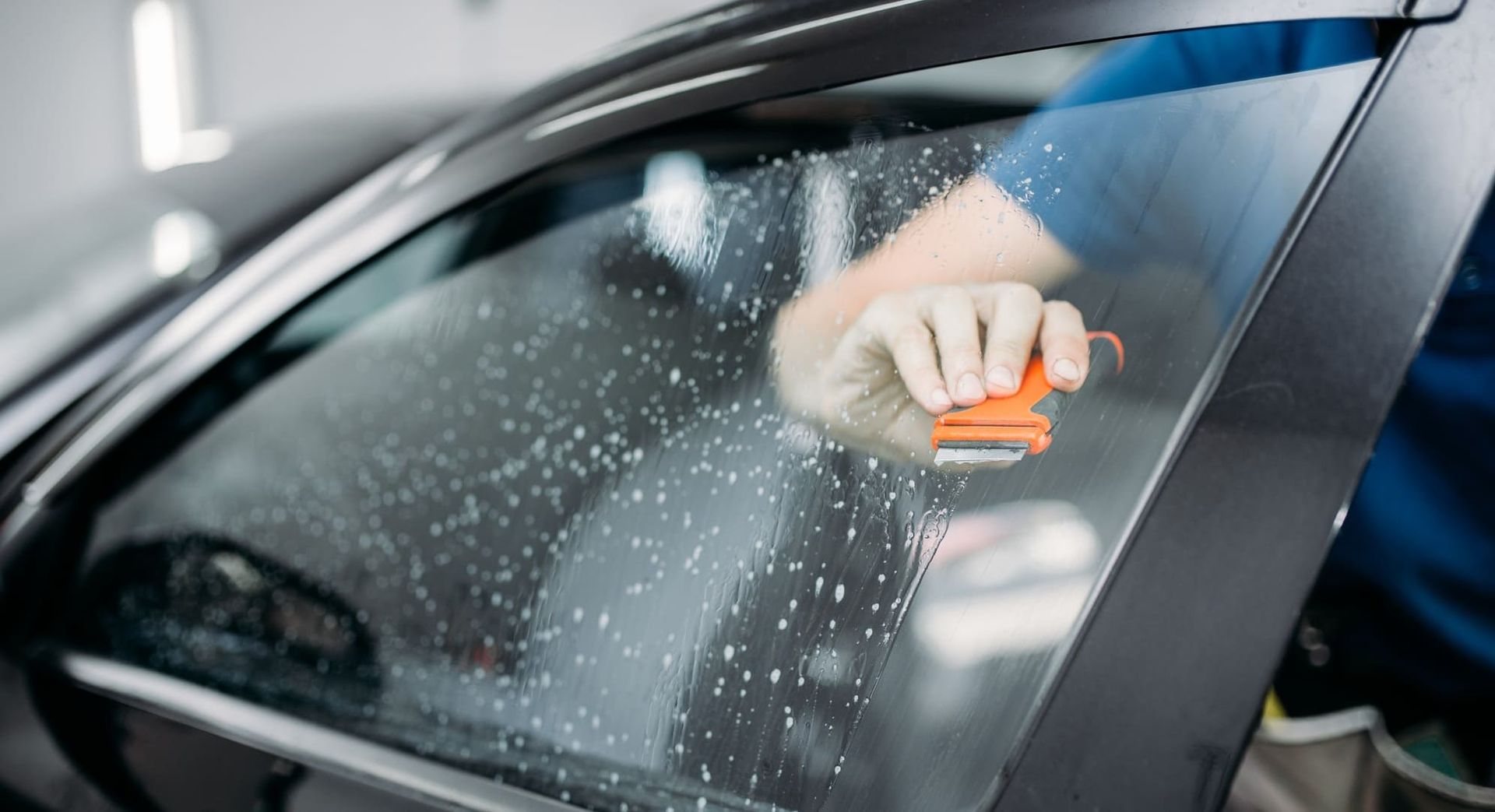
It might be tempting to scrape off a stubborn sticker residue, bug splatter, or hard water spot with a razor blade or hard-edged tool — don't. Window film scratches easily, and unlike bare glass, those scratches can't be buffed out. If something won't come off with a soft cloth and cleaner, it's best to leave it alone or ask a professional installer for advice rather than risk damaging the film.
5. Clean Gently, Not Aggressively
Light, even pressure is all that's needed. Aggressive scrubbing — especially in one concentrated spot — increases the risk of surface scratches, particularly on darker ceramic films where imperfections tend to show more visibly.
What to Avoid When Cleaning Tinted Windows
A quick reference for common mistakes that can shorten the life of your window film:
| Avoid This | Why It Damages Film | Use This Instead |
|---|---|---|
| Ammonia-based glass cleaners | Breaks down film dyes and adhesive, causing discoloration or bubbling | Ammonia-free or foam-based cleaner |
| Paper towels or rough rags | Creates fine surface scratches over time | Soft microfiber cloth |
| Razor blades or scrapers | Cuts or gouges the film surface | Gentle cleaner and patience, or professional help |
| Cleaning within the first week | Interrupts the curing process | Wait at least 7 days after installation |
| Abrasive scrubbing pads | Scratches film, especially darker shades | Light pressure with a soft cloth |
| Rolling windows down too soon (auto tint) | Can lift film before it fully bonds | Wait 3–5 days before operating windows |

Cleaning Residential and Commercial Window Film
The same core principles apply whether you're maintaining home window tinting, commercial window tinting, or auto film — ammonia-free products, soft materials, and gentle technique. That said, there are a couple of differences worth noting for homeowners and business owners in Mount Laurel and the surrounding area:
- Residential window film installed for privacy, solar control, or decorative purposes should be cleaned the same way as auto tint: soft cloth, ammonia-free cleaner, no scraping.
- Commercial window film, often installed across larger storefronts or office buildings, benefits from a consistent cleaning schedule using the same gentle products, ideally handled by staff trained on proper film care to avoid accidental scratching from mops, squeegees, or cleaning equipment not intended for tinted surfaces.
- Safety and security films, which are thicker and designed for impact resistance, still follow the same ammonia-free, non-abrasive cleaning rule despite their added durability.
Why This Matters for Your Warranty
Professionally installed window film, like the color-stable options installed by The Window Tinters, typically comes backed by a manufacturer's lifetime warranty against issues like bubbling, cracking, or color change. However, warranties generally cover manufacturing and installation defects — not damage caused by improper cleaning. Using ammonia-based products or abrasive tools isn't something a warranty claim can fix, so proper cleaning habits aren't just about appearance; they're about protecting the investment you made in professional-grade film.
Frequently Asked Questions
What is the best cleaner for tinted car windows?
An ammonia-free glass cleaner is essential. Foam-based cleaners tend to work especially well because they're typically ammonia-free and less prone to streaking, making them a safe and effective choice for tinted auto glass.
How soon after tinting can I clean my windows?
Wait at least one full week before cleaning the inside surface of newly tinted windows. This gives the film adequate time to begin curing before it's exposed to cleaning products or friction from wiping.
Can I use Windex on my tinted windows?
Many standard glass cleaners, including some formulations of Windex, contain ammonia, which can damage window film's dyes and adhesive over time. Always check the label for an ammonia-free formulation, or choose a cleaner made specifically for tinted or auto glass.
Why does my window film look hazy or streaky after cleaning?
If your tint is newly installed, haziness is usually just trapped moisture still evaporating during the curing process — not a cleaning issue. If windows look streaky after cleaning fully-cured film, it's often a sign the cleaner used wasn't ammonia-free or that a rough cloth was used instead of a soft microfiber towel.
Can scratched window film be repaired?
No — damaged or scratched window film cannot be repaired. If a section of film is scratched or damaged, the affected piece typically needs to be removed and the glass retinted. This is one of the biggest reasons gentle, proper cleaning matters so much.
Is it safe to use a rubber squeegee on tinted windows?
Yes, a clean rubber squeegee is one of the safer tools for drying tinted glass without leaving streaks or scratches, as long as it's free of grit or debris that could drag across the film's surface.
Keep Your Tint Looking Great With the Right Care
Proper cleaning is one of the simplest ways to protect the appearance and lifespan of your window film — and it only takes choosing the right products and a gentle touch. If you're ever unsure whether a cleaner is safe for your specific film, or if you're dealing with film that seems damaged and needs professional attention, the team at The Window Tinters in Mount Laurel Township is happy to help.
We proudly serve drivers, homeowners, and business owners throughout Mount Laurel, Burlington County, and Camden County with expert auto, residential, and commercial window tinting backed by premium FormulaOne and LLumar films.
Call
(856) 213-2030 or request a
free estimate online for tinting, maintenance advice, or to schedule your next appointment.