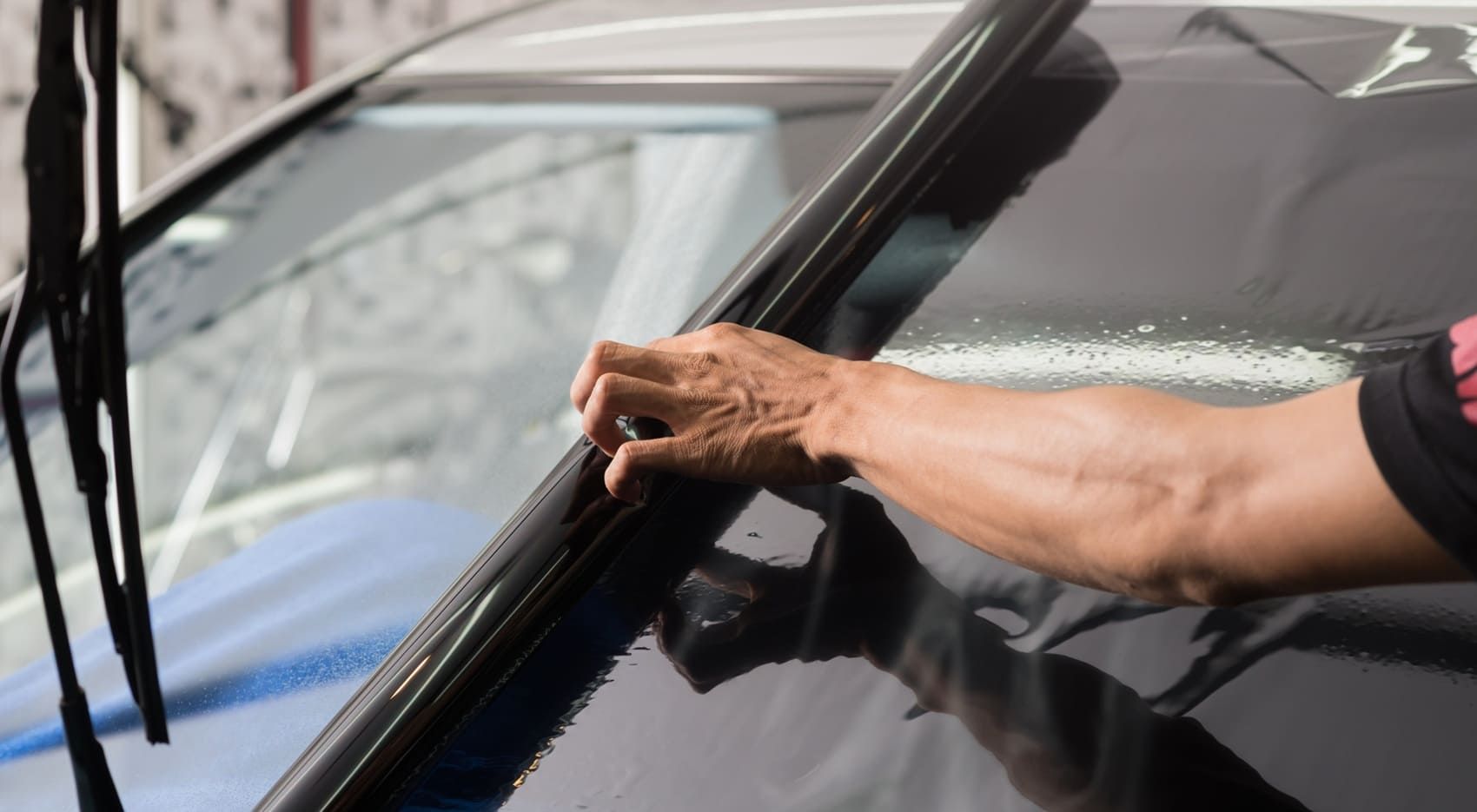
Can Window Tint Block UV Rays and Protect Car Interiors? A Mount Laurel Expert Explains
If you've ever slid into a car seat that felt hot enough to sear a steak, or noticed your dashboard turning a chalky, faded gray after a few New Jersey summers, you've felt the effects of UV damage firsthand. It's one of the most common questions South Jersey drivers ask before booking a tint appointment: does window tint actually block UV rays, or is that just a marketing claim? The short answer is yes — but the type of film you choose makes a massive difference in how much protection you actually get. Here's what Mount Laurel and South Jersey drivers should know about UV rays, interior damage, and how the right window film can prevent both.
Why UV Rays Are a Bigger Threat Than Most Drivers Realize
Sunlight isn't just bright — it carries ultraviolet (UVA and UVB) radiation that passes through untreated automotive glass with very little resistance. Side and rear windows, in particular, are notorious for letting UV rays through almost unfiltered, which is why the driver's side of a car often shows more sun damage and even more skin-aging effects on the arm and face than the passenger side over years of daily driving.
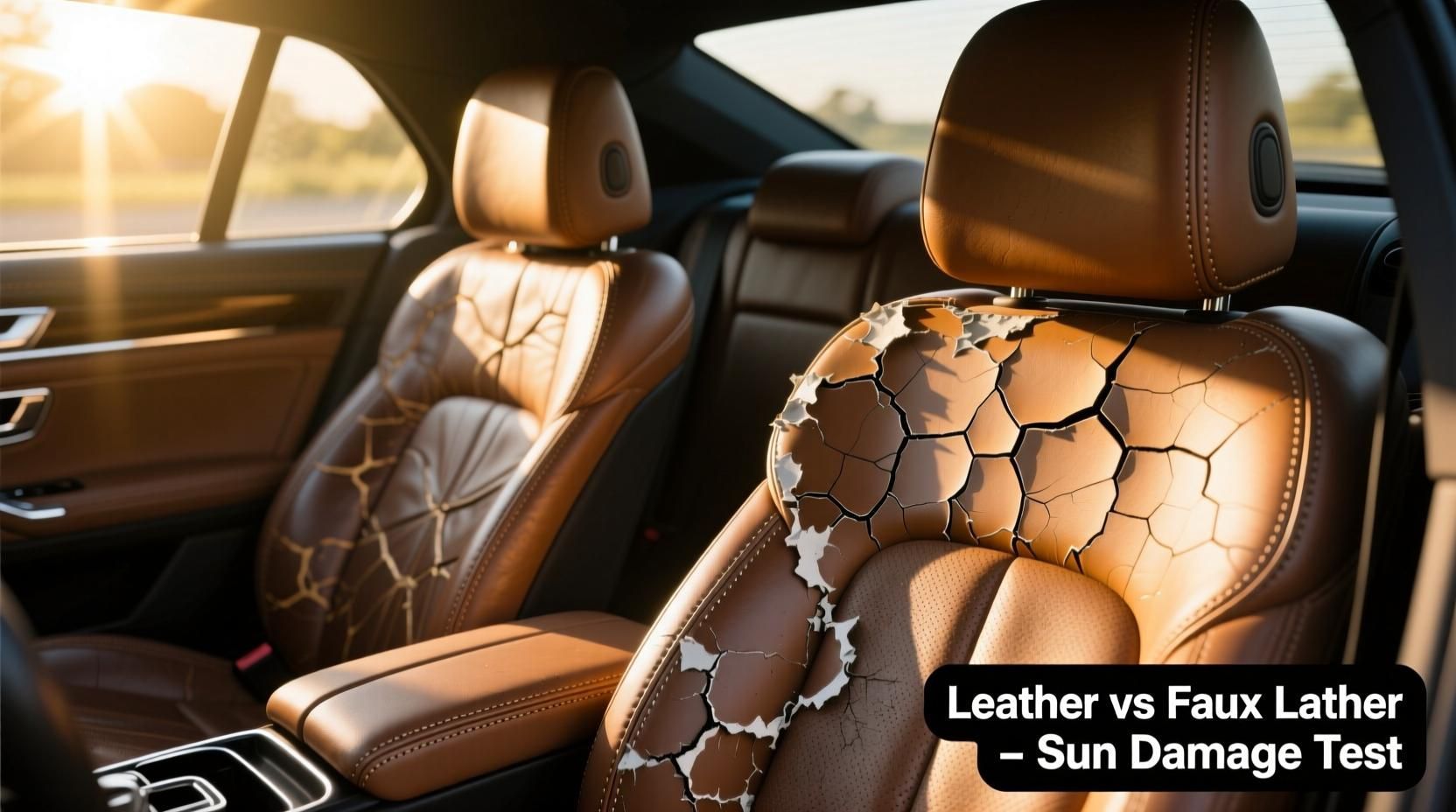
Inside the cabin, that same UV exposure is the leading cause of premature interior aging. Cracked dashboards, faded upholstery, discolored plastic trim, and sun-bleached leather aren't just cosmetic annoyances — they're signs of long-term UV degradation that lowers a vehicle's resale value and comfort. In a state like New Jersey, where cars sit in direct sun through long summers and drivers log serious highway miles on routes like I-295 and the NJ Turnpike, that exposure adds up fast.
Does Window Tint Actually Block UV Rays?
Yes — and this is one of the clearest, most well-documented benefits of professionally installed window film. Quality automotive window tint is designed to filter out a very high percentage of UVA and UVB radiation, regardless of how dark or light the film appears. That last point trips a lot of people up: UV blocking isn't about visible darkness, it's about the film's construction and the UV-inhibiting layer built into it.
That means even a light, nearly clear ceramic film can block the vast majority of UV rays — often up to 99% — while a darker but lower-quality dyed film might block noticeably less. If UV protection is your primary goal, the film's technology matters far more than how dark you go.
Comparing Window Film Types for UV Protection
| Film Type | UV Rejection | Heat Rejection | Interior Fading Protection | Best For |
|---|---|---|---|---|
| Dyed | Moderate | Low | Fair | Budget privacy, minor UV reduction |
| Metalized | Good | Moderate–High | Good | Balanced UV and heat protection |
| Hybrid | Good | Moderate | Good | Mid-range protection and cost |
| Ceramic (e.g., FormulaOne) | Excellent (up to 99%) | Very High | Excellent | Maximum UV and interior protection |
How Window Tint Protects Your Car's Interior Long-Term
Blocking UV rays is really about preventing a chain reaction of damage before it starts. Here's what proper UV-blocking tint helps protect against:
1. Dashboard and Trim Cracking
Constant UV exposure dries out and breaks down the plastics and vinyl used on dashboards and interior trim, eventually leading to visible cracking. A UV-blocking film significantly slows this process by preventing that radiation from reaching the material in the first place.
2. Upholstery and Leather Fading
Fabric seats lose color and leather seats dry out, crack, and fade unevenly when exposed to direct, unfiltered sunlight day after day. Tinted windows reduce that exposure dramatically, especially on windows that face direct sun during typical parking and commuting hours.
3. Electronics and Screen Damage
Modern vehicles are packed with touchscreens, sensors, and infotainment displays that can degrade under prolonged heat and UV exposure. Reducing that exposure helps protect the technology you rely on every day.
4. Resale Value
A cracked dashboard or sun-bleached interior is one of the fastest ways to knock value off a used car during resale or trade-in. Buyers notice UV damage immediately, even if the vehicle runs perfectly.
Does Window Tint Protect Your Skin, Too?
It's not just your car that benefits. Dermatologists have long noted that UVA rays — the type most associated with long-term skin aging and skin cancer risk — pass through standard automotive glass fairly easily. Drivers who spend a lot of time behind the wheel, whether commuting through Cherry Hill and Marlton or making longer hauls across South Jersey, are exposed to that radiation on a daily basis, often more on their left side from the driver's window. High-quality UV-blocking film adds a meaningful layer of protection for your skin during every drive, not just your car's interior.
What About the Windshield?
Most factory windshields already have some built-in UV filtering, but it's often incomplete, and it does very little for heat or glare. That's where products like ExoShield windshield protection film come in — offering an added layer of UV and impact protection specifically engineered for the windshield, which typically isn't covered by standard side and rear window tint due to NJ's legal restrictions on windshield tint darkness. Pairing a compliant windshield film with ceramic tint on the remaining windows gives South Jersey drivers the most complete UV protection package available for a vehicle.
Is UV-Blocking Tint Legal in New Jersey?
Yes. UV protection is a function of the film's technology, not its darkness, so a fully legal, NJ-compliant tint job can still block the vast majority of UV rays. New Jersey does regulate how dark tint can be on the windshield and front side windows, and vehicles are subject to inspection, but ceramic films in particular make it easy to stay within legal VLT limits while still getting top-tier UV rejection. A qualified local installer will confirm your chosen film and darkness level meet NJ's specific requirements before any work begins.
How Professional Installation Affects UV Protection
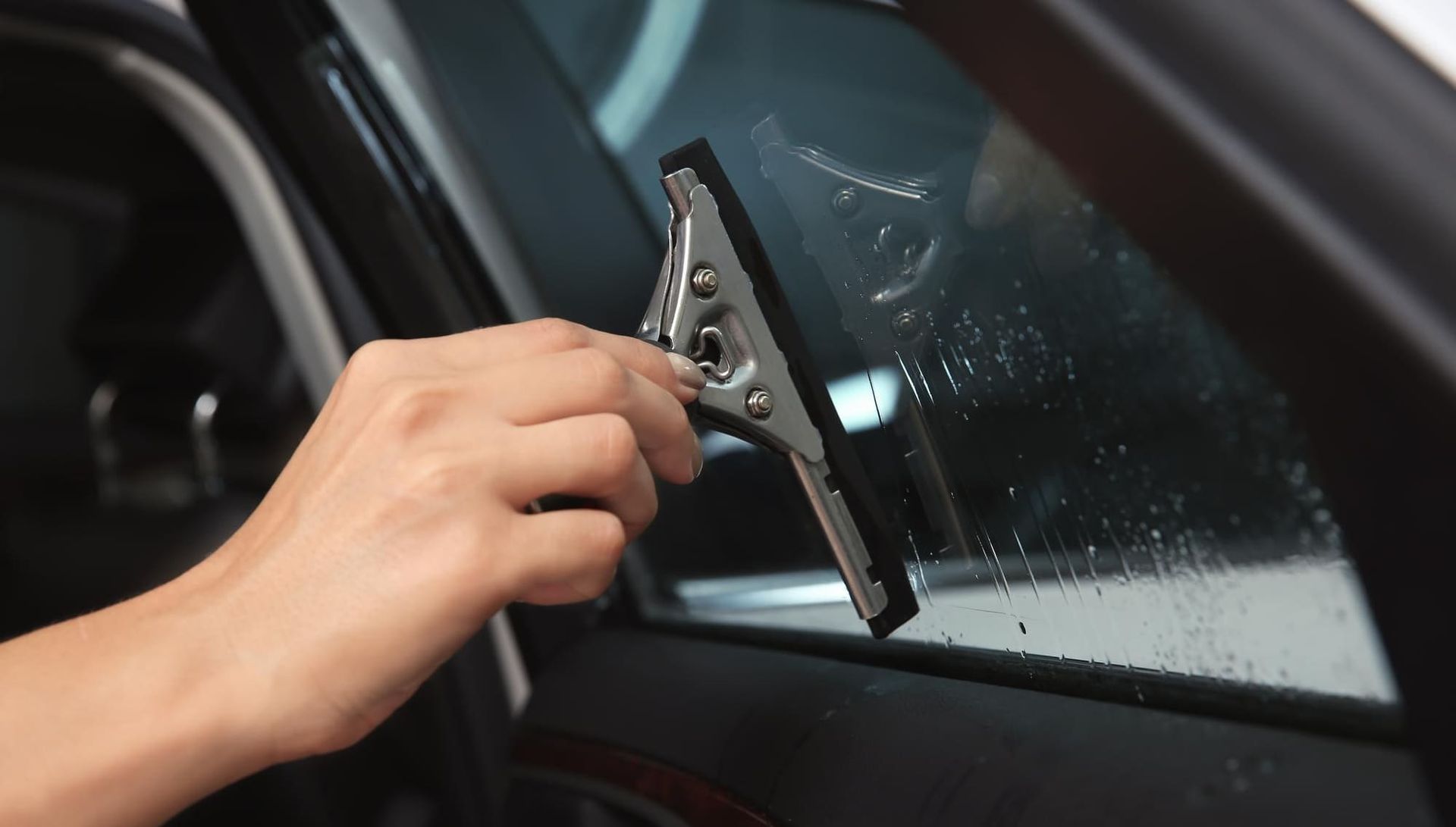
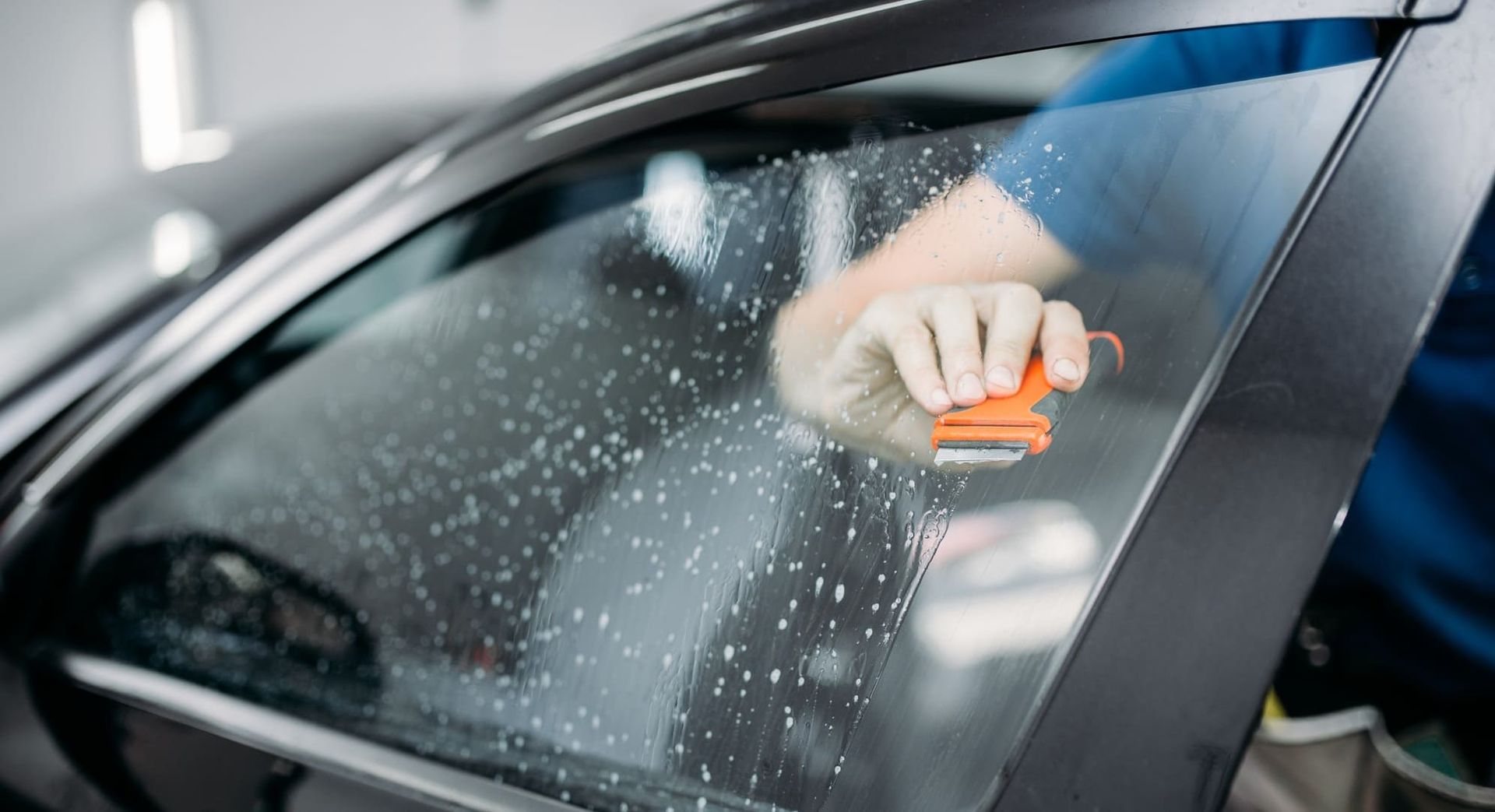
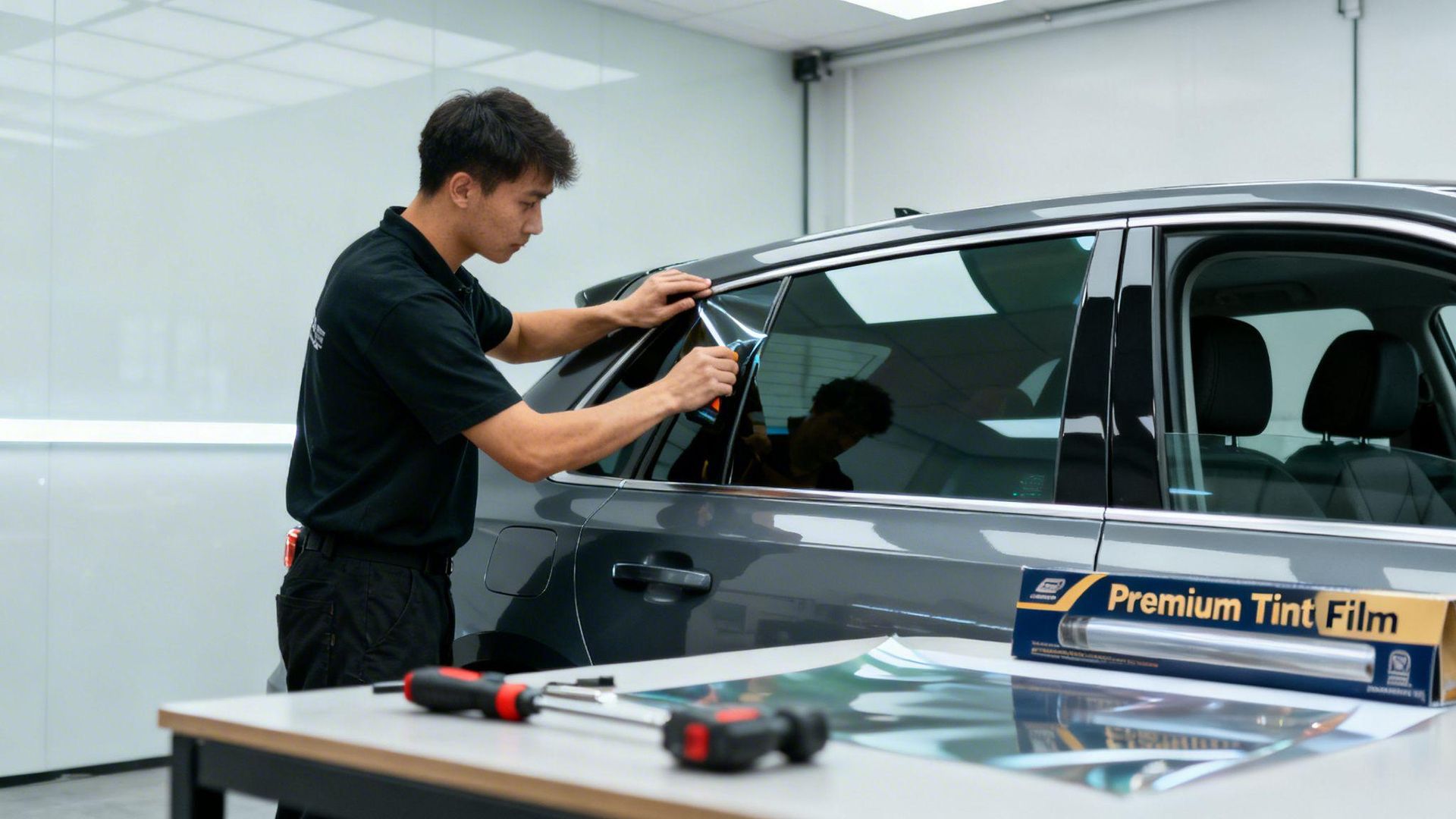
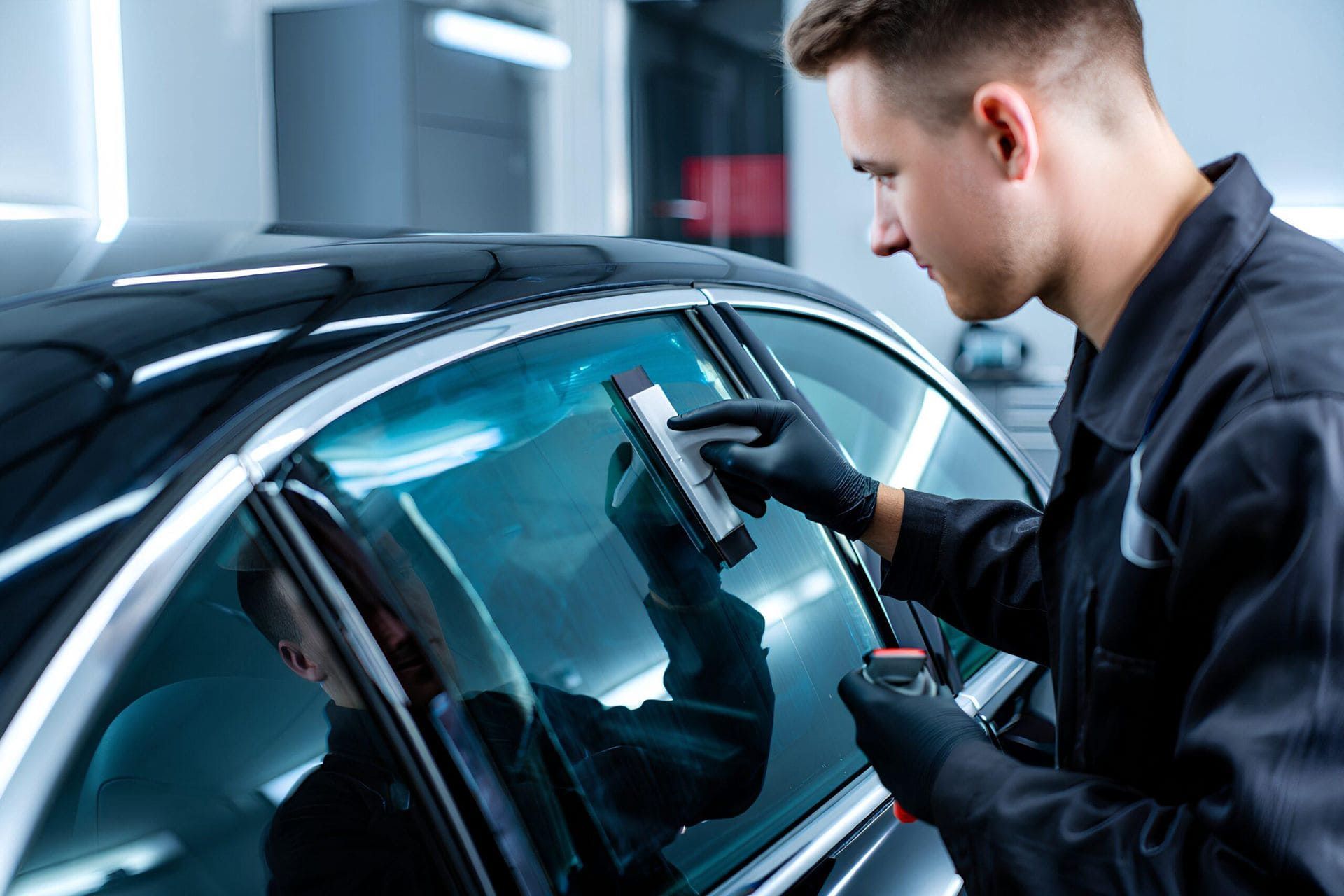
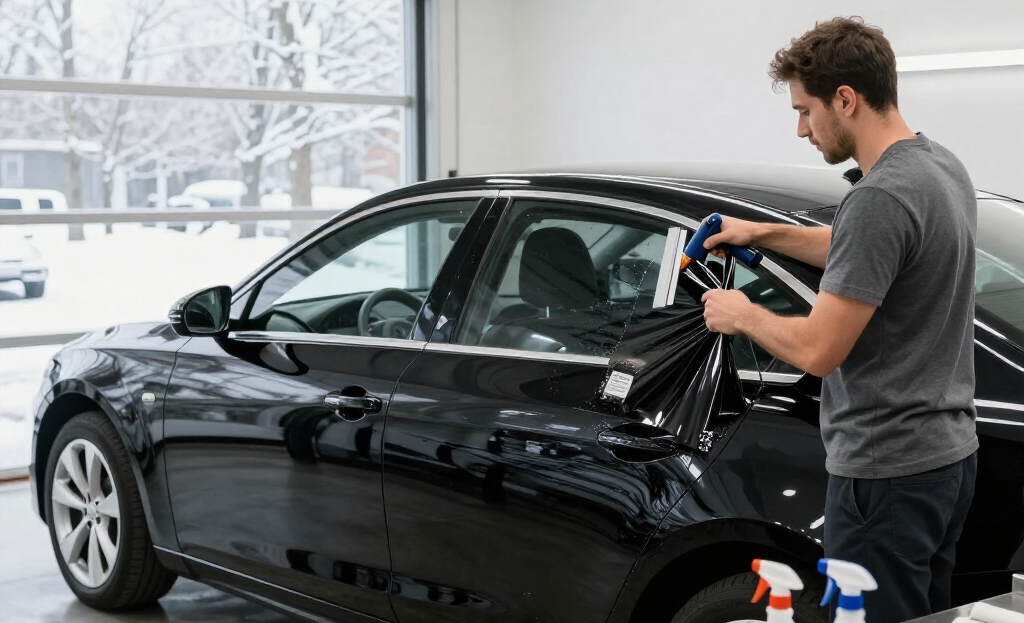
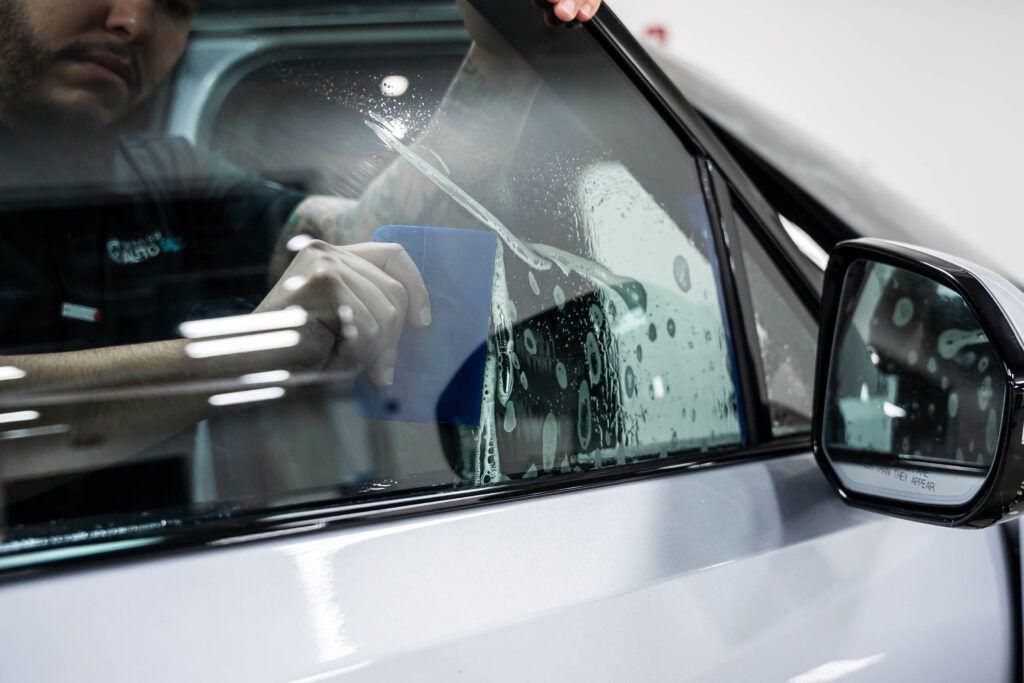
The film itself only performs as well as the installation behind it. A rushed or amateur job can lead to gaps, bubbling, or premature peeling — all of which create weak points where UV exposure sneaks back in. A professional installation typically includes:
1. Glass Cleaning and Prep
Every window is thoroughly cleaned to remove dust, residue, or old film, since even small debris can compromise the seal and long-term protection of new film.
2. Precision Fitting
Film is cut to the exact dimensions of each window, ensuring full, edge-to-edge UV coverage without gaps.
3. Careful Application
The film is applied and smoothed to eliminate air bubbles and moisture, which not only looks better but ensures consistent UV and heat rejection across the entire surface.
4. Curing Time
Ceramic film needs time to properly bond to the glass. Following the installer's care instructions during this period helps the film reach its full protective performance.
Why Choose The Window Tinters for UV Protection in Mount Laurel and South Jersey
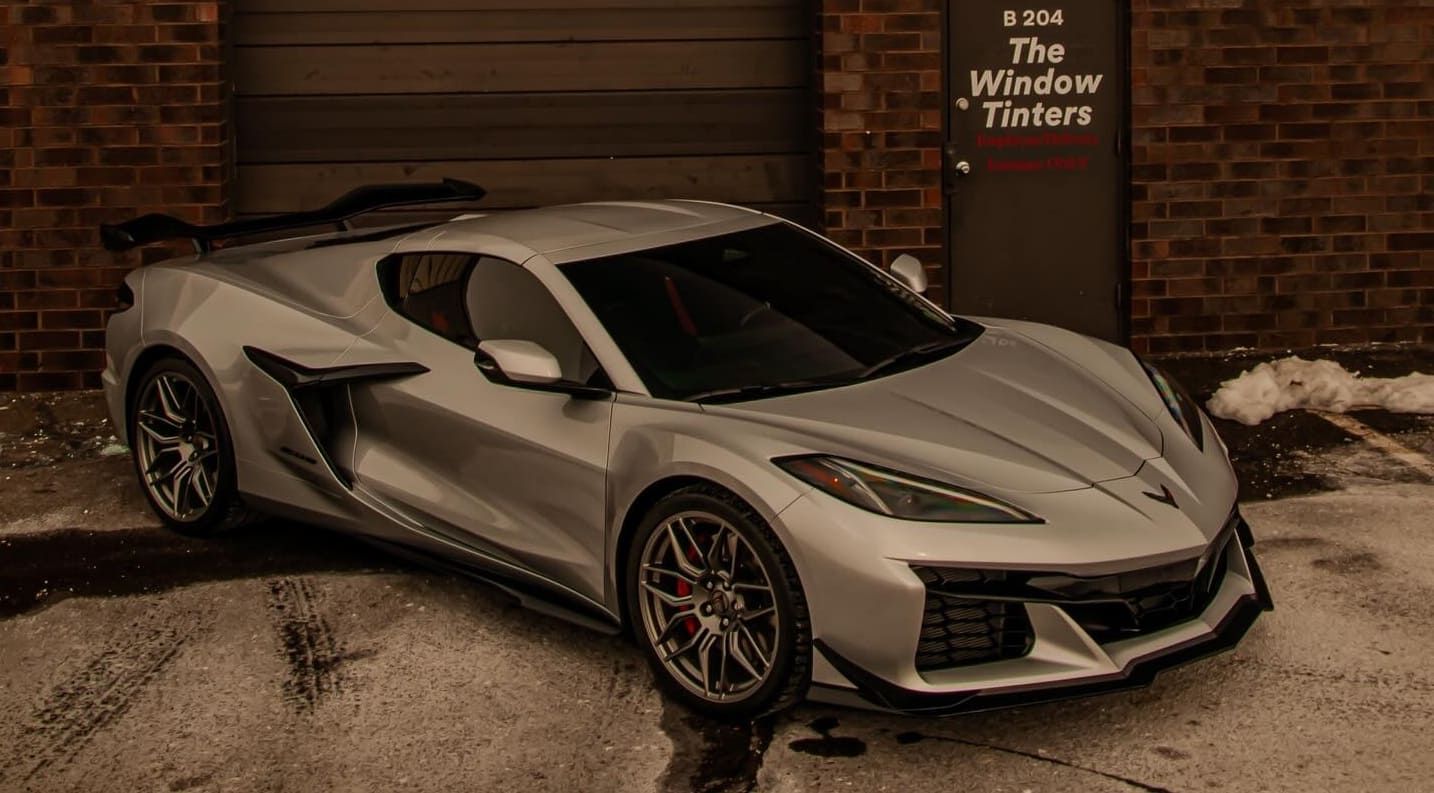
The Window Tinters, located in Mount Laurel Township, is a LLumar SelectPro Dealer offering the exclusive FormulaOne High Performance Auto Tint line, along with ExoShield windshield protection film, Paint Protection Film, and Ceramic Coating — giving South Jersey drivers a complete lineup of UV and interior protection options under one roof. Their ceramic tint installations block up to 99% of UV rays and are backed by a lifetime warranty against bubbling, cracking, and color change, so the protection you pay for is built to last as long as you own the vehicle. The Window Tinters also offers residential, commercial, and marine tinting for customers throughout Burlington County, Camden County, and the greater South Jersey region who want the same UV protection for their homes, offices, or boats.
Frequently Asked Questions About UV Protection and Window Tint
Does window tint really block UV rays?
Yes. Quality window film, especially ceramic tint, blocks up to 99% of UVA and UVB rays regardless of how dark or light the film looks, since UV protection comes from the film's construction, not its shade.
How much UV protection does tint provide?
Ceramic films typically block up to 99% of UV rays, while dyed films offer more moderate protection. Metalized and hybrid films fall somewhere in between.
Can window tint prevent my dashboard from cracking?
Yes. UV exposure is the primary cause of dashboard and trim cracking over time, and blocking that radiation with tint significantly slows the deterioration process.
Will tint stop my seats and interior from fading?
Properly installed UV-blocking tint dramatically reduces sun-related fading on upholstery, leather, and trim by filtering out the radiation that causes it.
Does tinted windshield glass also block UV rays?
Factory windshields offer some built-in UV filtering, but products like ExoShield windshield protection film add a stronger, dedicated layer of UV and impact protection that standard glass alone doesn't provide.
Is UV-blocking window tint legal in New Jersey?
Yes, as long as the installed VLT complies with NJ's legal limits for that window. A professional installer will confirm compliance before installation.
Does window tint protect my skin while driving, not just my car?
Yes. UV-blocking film reduces the UVA exposure that passes through side windows, helping protect drivers and passengers from sun-related skin damage during regular use.
Protect Your Interior — and Yourself — From NJ Sun Damage
Whether you're trying to keep a new car looking showroom-fresh or stop further fading on a daily driver, UV-blocking window tint is one of the most effective investments you can make. If you're in Mount Laurel, Marlton, Cherry Hill, or anywhere else across Burlington or Camden County, The Window Tinters' LLumar SelectPro-certified team can help you choose the right ceramic film and confirm it meets NJ's legal tint requirements before installation.
Call The Window Tinters at (856) 210-8302 or visit their shop at 520 Fellowship Rd, Unit B-204, Mount Laurel, NJ, to get a free estimate and start protecting your car's interior today.